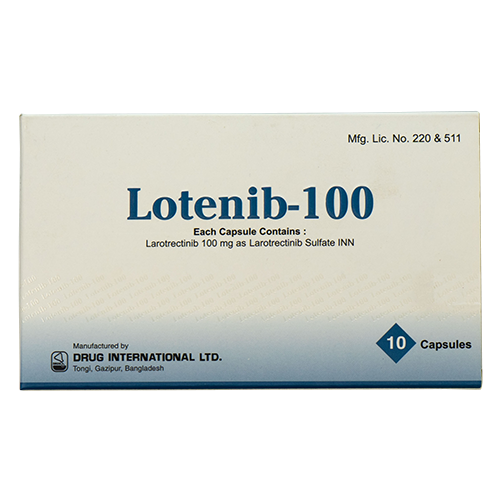
Lotenib 100mg (Nilotinib): Complete Guide to Uses, Dosage, Benefits, Side Effects & FAQs
Introduction to Lotenib 100mg
Lotenib 100mg is a prescription medicine used to treat certain types of blood cancer, specifically Philadelphia chromosome-positive chronic myeloid leukemia (Ph+ CML). It belongs to the Oncology & Cancer Medicines and Anticancer Medicines categories. Instead of only masking symptoms, Lotenib 100mg works at the cellular level to reduce the production of abnormal cancer cells. Think of Lotenib 100mg as a precision controller for the blood-forming system. Rather than suppressing immunity broadly, it targets specific pathways responsible for cancer growth and tissue damage. This guide explains what Lotenib 100mg is, how it works, dosage, and side effects in clear language.
What Is Lotenib (Nilotinib)?
Lotenib is the brand name for Nilotinib, an oral prescription medication developed for autoimmune and inflammatory-related oncological diseases. Nilotinib belongs to a newer group of targeted therapies known as tyrosine kinase inhibitors (TKIs) designed to control excessive cell signaling.
Drug Class and Mechanism of Action
Lotenib 100mg is classified as a JAK-like kinase inhibitor (TKI). Specific enzymes are involved in transmitting growth signals inside the body. When these signals become overactive, they contribute to chronic inflammation and cancer damage. Nilotinib works by blocking these specific signals, reducing cancer progression at its source.
How Lotenib Works in the Body
The body communicates through chemical signals, but in leukemia, these signals become too strong and persistent. Lotenib 100mg interrupts specific signaling pathways, helping to:
-
Reduce cancer cell production.
-
Relieve pain and bone discomfort.
-
Limit immune-related tissue damage.
This targeted action allows the body to function while avoiding unnecessary cellular overactivity.
Medical Uses of Lotenib 100mg
Lotenib 100mg is approved for multiple conditions, with ongoing research expanding its clinical applications.
Lotenib 100mg for Chronic Myeloid Leukemia
Lotenib is widely prescribed for Ph+ CML in adults who have not responded adequately to conventional treatments. Benefits for patients include:
-
Reduced joint and bone pain.
-
Improved mobility and physical function.
-
Slowing of disease progression.
Many patients report noticeable improvement in daily comfort within the first few weeks of treatment.
Who Can Take Lotenib 100mg?
Lotenib is not suitable for everyone; proper medical evaluation is essential.
Eligibility Criteria
You may be considered for Lotenib 100mg if you:
-
Are an adult with a diagnosed oncological condition.
-
Have not responded well to other therapies.
-
Can undergo regular blood tests and monitoring.
Who Should Avoid Lotenib
Lotenib 100mg may not be appropriate for individuals who:
-
Have active or serious infections.
-
Have a history of long QT syndrome or heart issues.
-
Have severe kidney or liver disease.
-
Are pregnant or breastfeeding.
Lotenib 100mg Dosage and Administration
Standard Dosage Guidelines
The typical recommended dose is:
-
Lotenib 100mg taken orally, usually twice daily.
-
Must be taken on an empty stomach (no food 2 hours before or 1 hour after).
-
For best results, take the tablet at the same time each day.
Dosage Adjustments
Your doctor may adjust the dose of Nilotinib if you:
-
Have liver impairment.
-
Experience side effects.
-
Take medications that interact with Nilotinib.
Missed Dose Instructions
If you miss a dose:
-
Skip it if it’s close to your next dose.
-
Do not take a double dose.
Side Effects of Lotenib 100mg
Common Side Effects
-
Upper respiratory infections.
-
Headache and nausea.
-
Skin rash or acne.
-
Increased cholesterol or lipase levels.
Serious Side Effects
-
Serious infections.
-
Blood clots or cardiovascular events.
-
Changes in liver enzymes.
-
Increased risk of certain secondary cancers.
Frequently Asked Questions (FAQs)
1. Is Lotenib 100mg safe for long-term use? Yes, when used under medical supervision with regular heart and blood monitoring.
2. Can Nilotinib cause weight gain? Weight gain is not common, though individual responses vary.
3. Is Lotenib a steroid? No. Lotenib is a tyrosine kinase inhibitor, not a corticosteroid.
4. Can Lotenib 100mg be taken with food? No, Nilotinib must be taken on an empty stomach to avoid dangerous absorption levels.
Medical Disclaimer: This content is for informational purposes only and does not replace professional medical advice, diagnosis, or treatment. Always consult a qualified healthcare provider before starting or changing any medication