
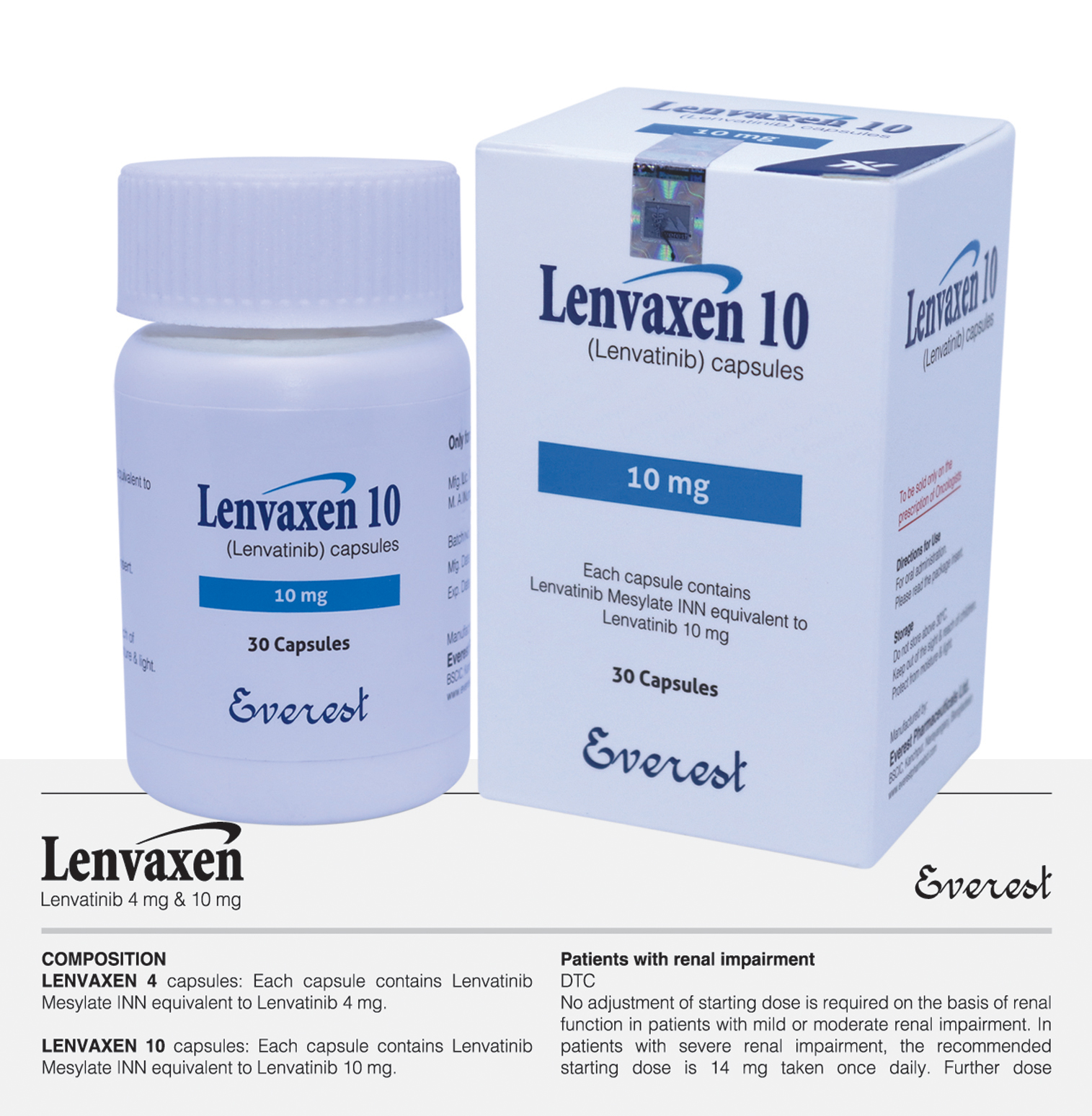
Lenvaxen 10 (Lenvatinib 10 mg): Complete Guide to Uses, Dosage, Benefits, Side Effects & FAQS
Lenvaxen 10 is a high-potency prescription medication containing the active ingredient Lenvatinib (as Lenvatinib Mesylate). It is categorized under Prescription Medicines, Oncology & Cancer Medicines, Anticancer Medicines, and Multi-Kinase Inhibitors. As a targeted therapy, Lenvaxen 10 is used to treat advanced or progressive cancers by inhibiting the pathways that allow tumors to grow and develop blood vessels.
Introduction to Lenvaxen 10
Lenvaxen 10 is an oral oncology treatment designed for patients with specific types of thyroid, kidney, and liver cancers. Unlike traditional chemotherapy, Lenvatinib works as a “targeted” treatment. It identifies and blocks specific proteins on the surface of cancer cells and blood vessels. By utilizing the potent action of Lenvaxen 10, doctors can help slow the spread of the disease and shrink existing tumors in patients whose cancer has become resistant to other treatments.
Drug Class and Mechanism of Action
Lenvaxen 10 belongs to a class of drugs known as tyrosine kinase inhibitors (TKIs). It is a multi-kinase inhibitor, meaning it targets several different proteins at once:
-
Anti-Angiogenesis: It blocks the Vascular Endothelial Growth Factor Receptors (VEGFR1, VEGFR2, and VEGFR3). This prevents the tumor from growing the new blood vessels it needs to survive.
-
Blocking Growth Signals: It inhibits Fibroblast Growth Factor Receptors (FGFR1-4) and other receptors (like PDGFRα, KIT, and RET). By disrupting these multiple pathways simultaneously, Lenvatinib makes it significantly harder for cancer cells to multiply and spread to other parts of the body.
Medical Uses of Lenvaxen 10
Lenvaxen 10 is approved for the following clinical applications:
-
Differentiated Thyroid Cancer (DTC): For patients whose thyroid cancer has returned or spread and no longer responds to radioactive iodine treatment.
-
Renal Cell Carcinoma (RCC): Used in combination with Everolimus for patients with advanced kidney cancer after one previous treatment.
-
Hepatocellular Carcinoma (HCC): Used as a first-line treatment for patients with liver cancer that cannot be removed by surgery.
-
Endometrial Carcinoma: In certain regions, it is used in combination with immunotherapy (like Pembrolizumab) for advanced uterine cancer.
Who Can Take Lenvaxen 10?
-
Eligibility: Adults with laboratory-confirmed advanced malignancies for which Lenvatinib is indicated.
-
Screening: Patients must be screened for high blood pressure, heart rhythm issues, and liver/kidney function before starting.
-
Who Should Avoid It: Individuals with severe kidney or liver disease may require lower doses. It should be used with extreme caution in those with a history of blood clots or strokes.
-
Pregnancy Warning: Lenvaxen 10 can cause severe birth defects. Effective contraception must be used during treatment and for at least 30 days after the last dose.
Lenvaxen 10 Dosage and Administration
Dosage is highly specific to the type of cancer being treated:
-
Thyroid Cancer: Typically 24 mg (two 10 mg + two 4 mg capsules) once daily.
-
Liver Cancer: Usually 8 mg or 12 mg once daily, depending on body weight.
-
Kidney Cancer: Usually 18 mg once daily (in combination with Everolimus).
-
Administration: Swallow capsules whole with water. It can be taken with or without food.
-
Consistency: Take your dose at the same time every day. If you have trouble swallowing, the capsules can be dissolved in a tablespoon of water or apple juice for 10 minutes (do not break or crush them).
Benefits of Lenvaxen 10
-
Significant Tumor Shrinkage: High rates of objective response (tumor size reduction) compared to other therapies.
-
Progression-Free Survival: Clinically proven to extend the time patients live without their cancer getting worse.
-
Oral Convenience: Allows for potent cancer treatment at home without the need for daily IV infusions.
-
Versatility: Effective across multiple different organ systems (thyroid, kidney, liver).
Side Effects of Lenvaxen 10
Common side effects may include:
-
Hypertension (High Blood Pressure): This is very common and must be monitored daily.
-
Fatigue and Decreased Appetite: General weakness and weight loss.
-
Hand-Foot Skin Reaction: Redness, pain, or swelling on the palms and soles.
-
Diarrhea and Nausea: Gastrointestinal issues are frequent.
Seek medical attention immediately if you notice:
-
Severe headache, confusion, or vision changes (signs of a sudden blood pressure spike).
-
Chest pain or shortness of breath.
-
Severe abdominal pain.
-
Unusual bleeding (nosebleeds or heavy menstrual bleeding).
Warnings and Precautions
-
Blood Pressure Management: Blood pressure should be well-controlled before starting Lenvaxen 10.
-
Heart Health: It can cause a change in heart rhythm (QT prolongation).
-
Proteinuria: It may cause protein to leak into the urine; your doctor will check this via regular urine tests.
-
Wound Healing: It can slow down healing; it should be stopped before any major surgery.
Frequently Asked Questions (FAQs)
-
Is Lenvaxen 10 chemotherapy? It is a targeted therapy (kinase inhibitor), which is a modern type of anticancer drug that is more specific than traditional chemotherapy.
-
What if I miss a dose? If you miss a dose and it is more than 12 hours until your next dose, take it immediately. If less than 12 hours remain, skip the missed dose.
-
Can I drink alcohol while taking Lenvaxen 10? Consult your doctor. Alcohol can worsen liver strain and dehydration caused by diarrhea.
-
How long do I need to take it? Treatment usually continues until the medication is no longer effective or side effects become too severe.
Conclusion
Lenvaxen 10 (Lenvatinib) is a powerful and precise tool in the fight against advanced cancers. By cutting off the tumor’s blood supply and growth signals, it provides a vital option for patients facing complex diagnoses. For the best outcome, it is essential to monitor your blood pressure daily and stay in close communication with your oncology team regarding any side effects.
Medical Disclaimer: This content is for informational purposes only and does not replace professional medical advice. Always consult your oncologist before starting or changing any cancer treatment.


