
Introduction to Zometa (Zoledronic Acid) 4mg
Zometa (Zoledronic Acid) 4mg is a prescription oncology medicine used to manage serious bone-related complications in cancer patients. It is commonly prescribed for conditions such as hypercalcemia of malignancy, bone metastases from solid tumors, and osteolytic bone lesions in multiple myeloma.
Zometa (Zoledronic Acid) 4mg is classified under Prescription Medicines, Oncology Medicines, Bone-Targeted Cancer Therapies, and Bisphosphonate Drugs. It contains Zoledronic Acid, which works by slowing excessive bone breakdown and helping reduce complications caused by cancer-related bone disease.
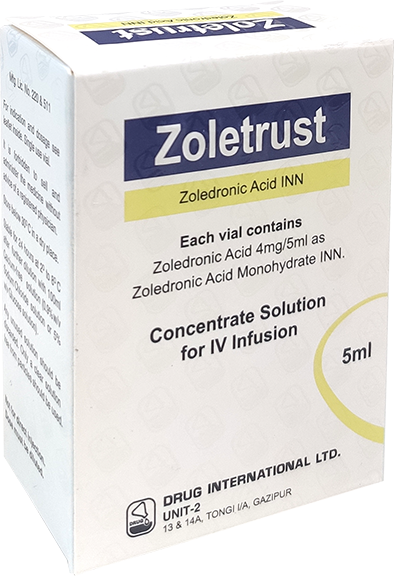
In some markets, Zoletrust 4mg is available as a local generic brand containing the same active ingredient Zoledronic Acid, offering a similar therapeutic effect when prescribed by a qualified healthcare professional. In Bangladesh, Zoletrust 4mg/5ml IV infusion is marketed by Drug International Ltd.
What Is Zometa (Zoledronic Acid)?
Zometa is the original brand name for Zoledronic Acid, an intravenous medicine used to treat cancer-related bone complications and high calcium levels caused by malignancy.
Zoledronic Acid belongs to a class of medicines known as Bisphosphonates. These medicines help strengthen bone by reducing the activity of cells that break down bone tissue.
Generic versions such as Zoletrust 4mg contain the same active compound and may be used depending on physician recommendation and regional availability.
Drug Class and Mechanism of Action
Zoledronic Acid is classified as a nitrogen-containing bisphosphonate with strong anti-resorptive activity.
How Zoledronic Acid Works
It works in several ways:
- Inhibits osteoclast activity to reduce bone destruction
- Helps control high blood calcium caused by cancer
- Slows skeletal complications linked to metastatic bone disease
- Supports bone stability in patients with multiple myeloma
Through these mechanisms, Zoledronic Acid helps reduce the progression of bone-related complications in cancer patients.
How Zometa Works in the Body
Cancer can weaken bones and increase the release of calcium into the bloodstream. Zometa helps control this process by directly targeting bone resorption.
Key Actions of Zoledronic Acid
- Slowing down osteoclast-mediated bone breakdown
- Reducing calcium release from damaged bone tissue
- Lowering the risk of skeletal-related events such as fractures
- Helping manage tumor-related bone complications
Some generic versions such as Zoletrust deliver the same active compound, allowing similar bone-targeted supportive cancer treatment when prescribed appropriately.
Medical Uses of Zometa (Zoledronic Acid) 4mg
Zometa 4mg is widely used in oncology and supportive cancer care.
Zometa for Hypercalcemia of Malignancy
Zometa is commonly used to treat hypercalcemia of malignancy, a condition where cancer causes dangerously high calcium levels in the blood.
Potential Benefits
- Rapid reduction of elevated calcium levels
- Better symptom control in cancer-related hypercalcemia
- Supportive management during oncology treatment
Generic alternatives like Zoletrust 4mg may also be used under medical supervision when Zoledronic Acid therapy is recommended.
Zometa for Bone Metastases and Multiple Myeloma
Zometa is also used in patients with bone metastases from solid tumors and multiple myeloma to help reduce skeletal complications.
Treatment Benefits
- Reduced risk of bone fractures
- Better control of cancer-related bone pain
- Improved bone stability and skeletal protection
- Lower risk of future bone complications
Who Can Take Zoletrust 4mg?
Because Zoledronic Acid is a potent medicine, treatment should always be supervised by an experienced healthcare provider.
Eligibility Criteria
Patients may be prescribed Zometa if they:
- Have hypercalcemia caused by cancer
- Have bone metastases from solid tumors
- Have osteolytic lesions associated with multiple myeloma
- Are suitable for intravenous bisphosphonate therapy
Certain generic options such as Zoletrust may also be considered depending on availability and physician decision.
Who Should Avoid Zometa (Zoledronic Acid) 4mg
Zometa should NOT be used by:
- Pregnant women or women planning pregnancy
- Individuals with hypersensitivity to Zoledronic Acid or other bisphosphonates
- Patients with severe renal impairment, unless specifically assessed by a specialist
- Patients with untreated low blood calcium levels
Zometa (Zoledronic Acid) 4mg Dosage and Administration
Standard Dosage Guidelines
Typical dosage recommendations include:
- Zometa 4mg by intravenous infusion
- Commonly administered over at least 15 minutes
- Often used as a single dose for hypercalcemia of malignancy
- May be repeated or scheduled every 3–4 weeks in selected oncology settings
- Should only be administered by a trained healthcare professional
Dosage Adjustments
Doctors may adjust the dose depending on:
- Kidney function (renal impairment)
- Serum calcium and electrolyte levels
- Overall treatment plan and response
- Risk of renal toxicity or dehydration
Patients receiving treatment for bone metastases or multiple myeloma may also be advised to take calcium and vitamin D supplements, depending on clinical need.
Side Effects of Zometa 4mg
Like all oncology supportive medicines, Zometa may cause side effects.
Common Side Effects
- Fever or flu-like symptoms
- Headache
- Nausea or vomiting
- Bone pain or muscle pain
- Fatigue or weakness
Serious Side Effects
- Kidney Problems: Increased serum creatinine or renal impairment
- Low Calcium Levels: Hypocalcemia
- Jaw Problems: Osteonecrosis of the jaw (rare but important)
- Electrolyte Imbalance: Low phosphate or magnesium levels
Patients should report any unusual symptoms to their doctor immediately.
Storage:
Store below 30°C in a cool, dry place, protected from direct sunlight. Keep out of reach of children. If diluted for infusion, it should be handled according to hospital or clinical storage instructions.
Frequently Asked Questions (FAQs)
1. Is Zometa (Zoledronic Acid) 4mg chemotherapy?
No. Zometa is not traditional chemotherapy. It is a bisphosphonate supportive oncology medicine used to manage bone complications and high calcium levels related to cancer.
2. How is Zometa 4mg given?
Zometa is given as an intravenous (IV) infusion by a healthcare professional, usually in a clinic or hospital setting.
3. Why do doctors check kidney function before giving Zometa?
Zoledronic Acid can affect the kidneys, so renal function must be assessed before treatment and monitored during therapy.
4. Can Zoletrust 4mg be used for multiple myeloma?
Yes. Zoledronic Acid is commonly used in patients with multiple myeloma, especially when there is a risk of bone damage or osteolytic lesions.
5. Can pregnant women take Zoletrust 4mg?
No. Zoletrust 4mg must not be used during pregnancy unless specifically advised in a highly controlled medical situation, because it may pose serious fetal risk.
6. Is Zoletrust 4mg the same as Zometa?
Zoletrust 4mg contains Zoledronic Acid, the same active ingredient found in Zometa. Generic versions are available. for more info. contact on WhatsApp: https://wa.me/8801742433764
7. Do I need a prescription to buy Zoletrust (Zoledronic Acid) 4mg?
Yes. Zoletrust 4mg is a prescription-only medicine and should only be used under the supervision of a qualified healthcare professional.
Medical Disclaimer
Disclaimer:
The information provided on this page is for educational and informational purposes only and should not be considered medical advice. Zometa (Zoledronic Acid) is a prescription-only medication and must be used strictly under the supervision of a qualified healthcare professional. Always consult your physician before starting, stopping, or changing any medication.


