Introduction to Coumadin (Warfarin Sodium) 2mg
Coumadin (Warfarin Sodium) 2mg is a prescription medicine used to prevent and treat harmful blood clots. This medicine belongs to a specialized group of anticoagulant drugs that work by reducing the blood’s ability to clot and helping prevent serious complications such as deep vein thrombosis, pulmonary embolism, and stroke.
Coumadin (Warfarin Sodium) 2mg is classified under Prescription Medicines, Cardiovascular Medicines, Anticoagulant Drugs, and Oral Blood Thinner Therapies. It contains Warfarin Sodium, which works by interfering with vitamin K-dependent clotting factor production in the liver.
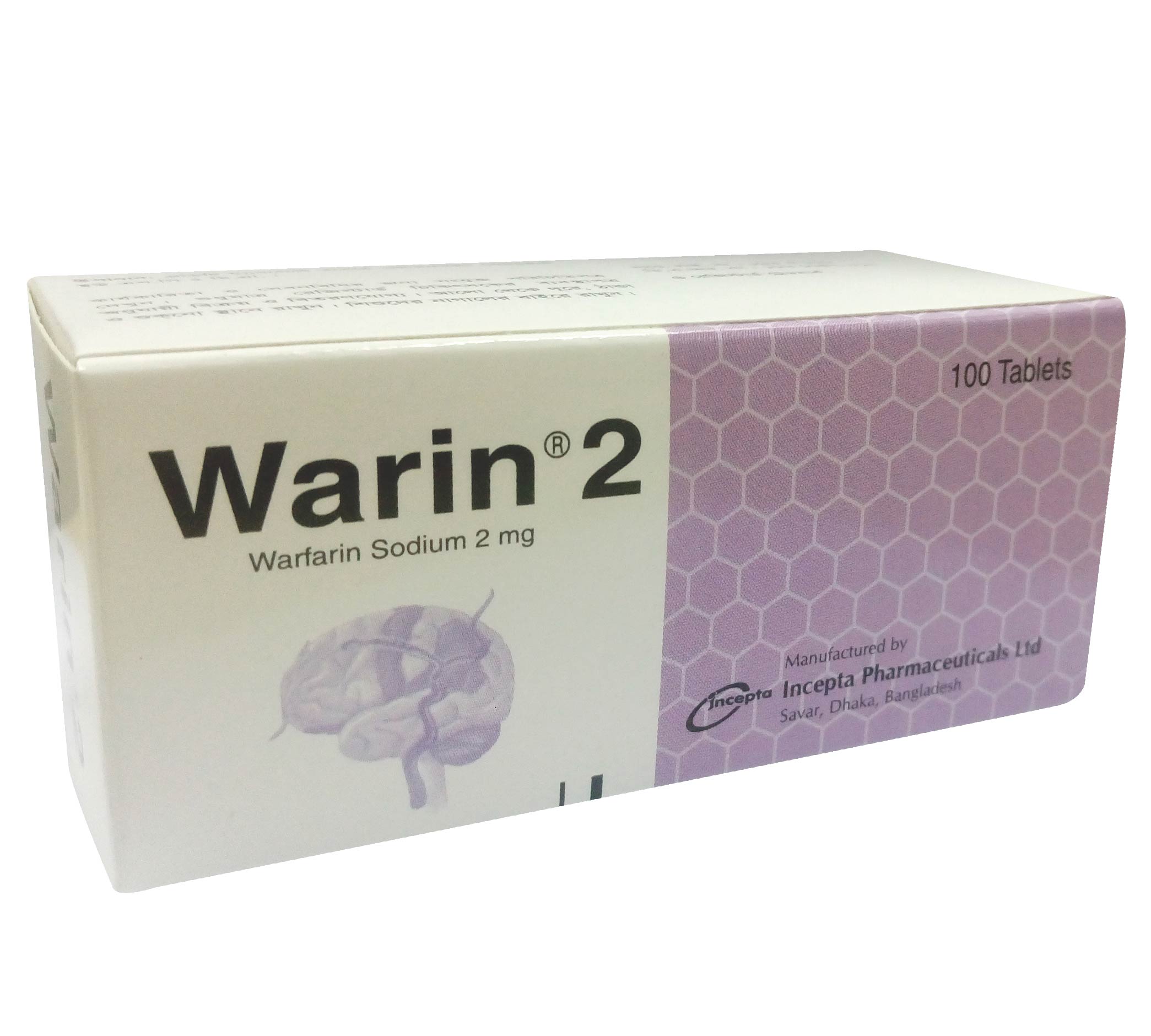
In some markets, Warin 2mg is available as a local brand containing the same active ingredient Warfarin Sodium, offering a similar therapeutic effect when prescribed by a qualified healthcare professional.
What Is Coumadin (Warfarin Sodium)?
Coumadin is the original brand name for Warfarin Sodium, an oral anticoagulant medication widely used for the prevention and treatment of blood clots.
Warfarin Sodium belongs to a class of medicines known as Vitamin K Antagonists. These medicines help reduce clot formation by limiting the production of clotting factors in the blood.
Local brands such as Warin 2mg contain the same active compound and may be used depending on physician recommendation and regional availability.
Drug Class and Mechanism of Action
Warfarin Sodium is classified as an anticoagulant and vitamin K antagonist with clot-preventing activity.
How Warfarin Sodium Works
It works in several ways:
- Inhibits vitamin K-dependent clotting factor production
- Reduces the blood’s tendency to form clots
- Helps prevent clot growth and recurrence
Through these mechanisms, Warfarin Sodium helps lower the risk of dangerous clot-related complications.
How Coumadin Works in the Body
The body relies on clotting factors to stop bleeding, but excessive clotting can be dangerous. Coumadin helps reduce the formation of these clotting factors and supports safer blood flow.
Key Actions of Warfarin Sodium
- Preventing harmful blood clot formation
- Reducing the risk of stroke in selected patients
- Helping manage clotting disorders over the long term
Some local brands such as Warin deliver the same active compound, allowing similar anticoagulant treatment when prescribed appropriately.
Medical Uses of Coumadin (Warfarin Sodium) 2mg
Coumadin (Warfarin Sodium) 2mg is commonly prescribed for several clot-related conditions.
Coumadin for Blood Clot Prevention and Treatment
For patients with deep vein thrombosis, pulmonary embolism, or risk of recurrent clotting, Coumadin may be prescribed to prevent and manage clot formation.
Potential Benefits
- Reduced risk of dangerous blood clots
- Support for long-term anticoagulation
- Better prevention of clot-related complications
Local brands like Warin 2mg may also be used under medical supervision when Warfarin Sodium therapy is recommended.
Coumadin for Stroke Prevention
Coumadin is also used in selected patients with atrial fibrillation or certain heart valve conditions to help reduce the risk of stroke.
Treatment Benefits
- Lower risk of stroke and systemic embolism
- Better clot prevention in high-risk patients
- Established long-term anticoagulant treatment option
Who Can Take Warin 2mg?
Because Warfarin Sodium is a potent anticoagulant medicine, treatment should always be supervised by an experienced healthcare provider.
Eligibility Criteria
Patients may be prescribed Coumadin if they:
- Have a clotting disorder or risk of harmful clot formation
- Need long-term oral anticoagulant therapy
- Can follow regular INR monitoring and dose adjustment instructions
Certain local brands such as Warin may also be considered depending on availability and physician decision.
Who Should Avoid Coumadin (Warfarin Sodium) 2mg
Coumadin should NOT be used by:
- Individuals with hypersensitivity to Warfarin Sodium
- Patients with active major bleeding
- Individuals at very high risk of bleeding unless advised by a specialist
Coumadin (Warfarin Sodium) 2mg Dosage and Administration
Standard Dosage Guidelines
Typical dosage recommendations include:
- Coumadin 2mg as directed by the physician
- Usually taken orally once daily
- Should be taken at the same time each day
- Dose is adjusted based on INR blood test results
Dosage Adjustments
Doctors may adjust the dose depending on:
- INR monitoring results
- Diet and vitamin K intake
- Other medicines and bleeding risk
Side Effects of Coumadin 2mg
Like all anticoagulant medicines, Coumadin may cause side effects.
Common Side Effects
- Easy bruising
- Minor bleeding such as nosebleeds or gum bleeding
- Nausea
- Hair thinning in some patients
Serious Side Effects
- Major Bleeding: Gastrointestinal, brain, or internal bleeding
- Skin Necrosis: Rare but serious complication
- Severe Allergic Reactions: Rash, swelling, or breathing difficulty
Patients should report any unusual symptoms to their doctor immediately.
Storage:
Store below 25°C in a cool, dry place, protected from moisture and direct sunlight. Keep the tablets in their original packaging and out of reach of children.
Frequently Asked Questions (FAQs)
1. What is Coumadin (Warfarin Sodium) 2mg used for?
Coumadin (Warfarin Sodium) 2mg is used to prevent and treat blood clots and reduce stroke risk in selected patients.
2. Is Coumadin 2mg a blood thinner?
Yes. Warfarin is commonly called a blood thinner because it reduces the blood’s ability to clot.
3. Why are INR tests needed with Coumadin (Warfarin Sodium) 2mg?
INR tests help make sure the dose is safe and effective by measuring how long the blood takes to clot.
4. Can Warin 2mg increase bleeding risk?
Yes. Warfarin may increase the risk of bleeding and requires careful dose monitoring.
5. Can pregnant women take Warin 2mg?
No. Warfarin Sodium should generally not be used during pregnancy unless specifically advised by a specialist.
6. Is Warin 2mg the same as Coumadin?
Warin 2mg contains Warfarin Sodium, the same active ingredient found in Coumadin. Local or generic versions may be available depending on market authorization and physician recommendation.
7. Do I need a prescription to buy Warin (Warfarin Sodium) 2mg?
Yes. Warin 2mg is a prescription-only medicine and should only be used under the supervision of a qualified healthcare professional.
Medical Disclaimer
Disclaimer:
The information provided on this page is for educational and informational purposes only and should not be considered medical advice. Coumadin (Warfarin Sodium) 2mg is a prescription-only medication and must be used strictly under the supervision of a qualified healthcare professional. Always consult your physician before starting, stopping, or changing any medication.