Introduction to Calan (Verapamil Hydrochloride) 40mg
Calan (Verapamil Hydrochloride) 40mg is a prescription medicine used in the treatment of high blood pressure, angina, and certain heart rhythm disorders. This medicine belongs to a specialized group of cardiovascular drugs that work by relaxing blood vessels and improving blood flow while helping regulate heart rate.
Calan (Verapamil Hydrochloride) 40mg is classified under Prescription Medicines, Cardiovascular Medicines, Antihypertensive Drugs, and Antiarrhythmic Therapies. It contains Verapamil Hydrochloride, which works by blocking calcium entry into heart and blood vessel muscle cells, helping reduce blood pressure and control abnormal heart rhythms.
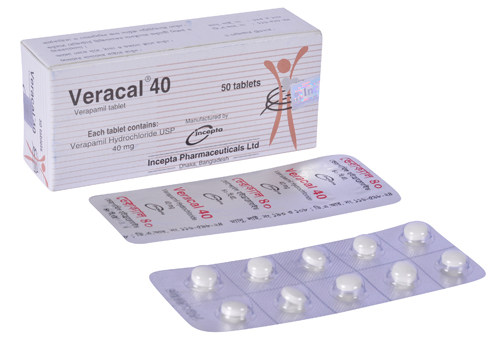
In some markets, Veracal 40mg is available as a generic brand containing the same active ingredient Verapamil Hydrochloride, offering a similar therapeutic effect when prescribed by a qualified healthcare professional.
What Is Calan (Verapamil Hydrochloride)?
Calan is the brand name for Verapamil Hydrochloride, an oral medication widely used for the treatment of several cardiovascular conditions.
Verapamil Hydrochloride belongs to a class of medicines known as Calcium Channel Blockers. These medicines help relax blood vessels, reduce the workload on the heart, and improve electrical conduction in certain heart rhythm disorders.
Generic versions such as Veracal 40mg contain the same active compound and may be used depending on physician recommendation and regional availability.
Drug Class and Mechanism of Action
Verapamil Hydrochloride is classified as a calcium channel blocker with antihypertensive, antianginal, and antiarrhythmic properties.
How Verapamil Hydrochloride Works
It works in several ways:
- Relaxes blood vessel walls to lower blood pressure
- Reduces the force and rate of heart contractions
- Slows electrical conduction through the AV node
- Improves oxygen supply-demand balance in the heart
Through these mechanisms, Verapamil Hydrochloride helps control blood pressure, reduce chest pain, and manage certain arrhythmias.
How Calan Works in the Body
The cardiovascular system may become stressed by high blood pressure or abnormal electrical activity in the heart. Calan helps restore better circulatory and cardiac function by blocking calcium movement into smooth muscle and heart cells.
Key Actions of Verapamil Hydrochloride
- Lowering blood pressure by relaxing blood vessels
- Helping prevent angina attacks
- Slowing fast heart rhythms in certain arrhythmias
- Reducing strain on the heart during circulation
Some generic versions such as Veracal deliver the same active compound, allowing similar cardiovascular treatment when prescribed appropriately.
Medical Uses of Calan (Verapamil Hydrochloride) 40mg
Calan 40mg is widely prescribed for several important cardiovascular conditions.
Calan for High Blood Pressure
For patients with hypertension, Calan is commonly used to reduce elevated blood pressure and support long-term cardiovascular health.
Potential Benefits
- Improved blood pressure control
- Reduced stress on blood vessels and the heart
- Lower risk of hypertension-related complications
- Better support for long-term cardiovascular management
Generic alternatives like Veracal 40mg may also be used under medical supervision when Verapamil Hydrochloride therapy is recommended.
Calan for Angina and Heart Rhythm Disorders
Calan is also used in the management of angina and certain supraventricular arrhythmias.
Treatment Benefits
- Reduced frequency of angina episodes
- Better control of fast or abnormal heart rhythms
- Improved blood flow and oxygen delivery to the heart muscle
Who Can Take Veracal 40mg?
Because Verapamil Hydrochloride is a potent medicine, treatment should always be supervised by an experienced healthcare provider.
Eligibility Criteria
Patients may be prescribed Calan if they:
- Have been diagnosed with hypertension, angina, or certain arrhythmias
- Need calcium channel blocker therapy based on physician assessment
- Can follow dosage instructions carefully
- Have been evaluated for heart function and possible drug interactions
Certain generic options such as Veracal may also be considered depending on availability and physician decision.
Who Should Avoid Calan (Verapamil Hydrochloride) 40mg
Calan should NOT be used by:
- Individuals with hypersensitivity to Verapamil Hydrochloride
- Patients with severe hypotension
- Patients with certain serious conduction disorders unless they have a pacemaker
- Individuals with severe left ventricular dysfunction, unless advised by a specialist
Calan (Verapamil Hydrochloride) 40mg Dosage and Administration
Standard Dosage Guidelines
Typical dosage recommendations include:
- Calan (Verapamil Hydrochloride) 40mg taken as prescribed by the doctor
- Usually taken multiple times daily depending on the condition being treated
- Tablets should be swallowed whole with water
- Can be taken with or without food unless otherwise instructed
Dosage Adjustments
Doctors may adjust the dose depending on:
- Blood pressure response
- Heart rhythm and ECG findings
- Liver function
- Individual treatment response and tolerability
Side Effects of Calan (Verapamil Hydrochloride) 40mg
Like all cardiovascular medicines, Calan may cause side effects.
Common Side Effects
- Constipation
- Dizziness
- Headache
- Nausea
- Low blood pressure
Serious Side Effects
- Slow Heart Rate: Bradycardia or worsening conduction problems
- Low Blood Pressure: Severe dizziness or fainting
- Heart Failure Symptoms: Swelling, shortness of breath, fatigue
- Liver Problems: Rare elevation of liver enzymes or jaundice
- Allergic Reactions: Rash, swelling, or breathing difficulty
Patients should report any unusual symptoms to their doctor immediately.
Storage
Store below 25°C in a cool, dry place, protected from moisture and direct sunlight. Keep the tablets in their original packaging and out of reach of children.
Frequently Asked Questions (FAQs)
1. Is Calan (Verapamil Hydrochloride) 40mg used for blood pressure control?
Yes. Calan (Verapamil Hydrochloride) 40mg is commonly prescribed to help lower high blood pressure and support cardiovascular health.
2. Can Veracal 40mg help with chest pain?
Yes. Verapamil Hydrochloride may help prevent angina by improving blood flow and reducing the heart’s workload.
3. Is Calan (Verapamil Hydrochloride) 40mg a beta-blocker?
No. Calan is a calcium channel blocker, not a beta-blocker.
4. Can Calan (Verapamil Hydrochloride) 40mg be used for irregular heartbeat?
Yes. It may be used for certain supraventricular arrhythmias under physician supervision.
5. What should I avoid while taking Veracal 40mg?
Patients should avoid taking it without medical advice alongside interacting heart medicines, and they should follow physician guidance regarding food or grapefruit-related interactions if advised.
6. Is Veracal 40mg the same as Calan (Verapamil Hydrochloride) 40mg?
Veracal 40mg contains Verapamil Hydrochloride, the same active ingredient found in Calan. Generic versions is available. for more info.
7. Do I need a prescription to buy Veracal (Verapamil Hydrochloride) 40mg?
Yes. Veracal 40mg is a prescription-only medicine and should only be used under the supervision of a qualified healthcare professional.
Medical Disclaimer
Disclaimer:
The information provided on this page is for educational and informational purposes only and should not be considered medical advice. Calan (Verapamil Hydrochloride) 40mg is a prescription-only medication and must be used strictly under the supervision of a qualified healthcare professional. Always consult your physician before starting, stopping, or changing any medication.