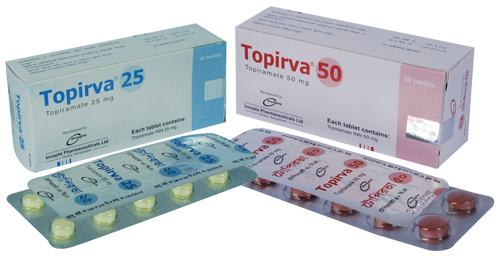
Topirva 25 mg (Topiramate): Complete Guide to Uses, Dosage, Benefits, Side Effects & FAQs
Introduction to Topirva 25 mg
Topirva 25 mg is a versatile prescription medicine primarily used to treat epilepsy and prevent migraine headaches. Classified under the Neurology & Psychiatry Medicines, Generic Medicines, and Prescription Medicines categories, it is a key therapeutic agent in modern neurology. Instead of simply providing temporary relief, Topirva 25 mg works by stabilizing electrical activity in the brain to prevent the onset of seizures and migraines.
Think of Topirva 25 mg as a biological stabilizer for your nervous system. Rather than acting as a sedative, the active ingredient Topiramate targets multiple pathways to calm overactive nerves. This guide provides an in-depth look at what Topirva 25 mg is, how Topiramate works, its clinical benefits, and essential safety information for patients.
Drug Class and Mechanism of Action
Topirva 25 mg belongs to a class of medications known as antiepileptic drugs (AEDs) or anticonvulsants. It is unique because it employs a “multi-target” approach to neurological stability.
Topiramate works through four distinct mechanisms: it blocks voltage-dependent sodium channels, enhances the activity of the neurotransmitter GABA (which calms the brain), inhibits glutamate receptors (which excite the brain), and inhibits the carbonic anhydrase enzyme. By balancing these excitatory and inhibitory signals, Topirva 25 mg effectively prevents the sudden electrical bursts that lead to neurological episodes.
How Topirva 25 mg Works in the Body
The brain relies on a delicate balance of electrical impulses. In conditions like epilepsy or migraine, these impulses become disorganized. Topirva 25 mg manages this by:
-
Reducing the frequency of abnormal electrical discharges.
-
Preventing the spread of seizure activity across brain tissues.
-
Decreasing the hyper-excitability of nerves involved in migraine triggers.
Through the consistent use of Topiramate, the brain remains in a more stable state, allowing patients to function without the constant fear of an impending attack.
Medical Uses of Topirva 25 mg
Topirva 25 mg is indicated for both the treatment of active seizure disorders and the prophylaxis of headaches.
Topirva 25 mg for Epilepsy
Topirva 25 mg is used alone (monotherapy) or with other medications to treat partial-onset or primary generalized tonic-clonic seizures. Benefits for patients include:
-
Significant reduction in the number of monthly seizure events.
-
Effective control for both adults and children (2 years and older).
-
Prevention of secondary generalization of seizures.
Topirva 25 mg for Migraine Prophylaxis
Topirva 25 mg is a first-line choice for the prevention of migraine headaches in adults and adolescents. Clinical use of Topiramate in this field helps:
-
Reduce the frequency of migraine days per month.
-
Decrease the intensity and duration of headache attacks.
-
Lower the need for “rescue” pain medications.
Who Can Take Topirva 25 mg?
Topirva 25 mg is a potent neurological medication and requires a professional medical diagnosis before initiation.
Eligibility Criteria
You may be considered for Topirva 25 mg if you:
-
Have been diagnosed with epilepsy or a seizure disorder.
-
Suffer from frequent migraine headaches (typically 4 or more days per month).
Who Should Avoid Topirva 25 mg
Topirva 25 mg may not be appropriate for individuals who:
-
Are pregnant or planning to become pregnant, as Topiramate can cause birth defects like cleft lip/palate.
-
Have a history of kidney stones (nephrolithiasis).
-
Have metabolic acidosis or severe liver disease.
-
Have a known hypersensitivity to Topiramate or any inactive ingredients.
Topirva 25 mg Dosage and Administration
Standard Dosage Guidelines
The dosage of Topirva 25 mg is usually started low and increased slowly (titrated) to minimize side effects:
-
For migraines, the target dose is often reached over several weeks.
-
For epilepsy, the dose of Topiramate is adjusted based on clinical response and weight (in children).
-
It can be taken with or without food and should be swallowed whole with plenty of water.
Administration Tips
-
Drink plenty of fluids while taking Topirva 25 mg to reduce the risk of developing kidney stones.
-
Do not stop taking Topiramate suddenly, as this may cause “rebound” seizures.
Side Effects of Topirva 25 mg
Common Side Effects
-
Paresthesia (tingling sensation in the hands and feet).
-
Fatigue or drowsiness.
-
Loss of appetite and weight loss.
-
Difficulty with concentration or memory (often called “word-finding” difficulty).
Serious Side Effects
-
Acute myopia and secondary angle-closure glaucoma (sudden eye pain or blurred vision).
-
Metabolic acidosis (characterized by rapid breathing or irregular heartbeat).
-
Kidney stones.
-
Suicidal thoughts or behavior changes.
Frequently Asked Questions (FAQs)
1. Is Topirva 25 mg safe for long-term use? Yes, Topiramate is intended for chronic management of epilepsy and migraines under regular medical supervision, including periodic blood tests.
2. Can Topirva 25 mg be used for weight loss? While weight loss is a common side effect of Topirva 25 mg, it is not FDA-approved as a standalone weight-loss drug. It should only be used for its indicated neurological purposes.
3. Does Topirva 25 mg affect birth control? Yes, higher doses of Topiramate can make hormonal contraceptives (like the pill) less effective. Consult your doctor about alternative birth control methods.
4. How long does it take for Topirva 25 mg to work for migraines? It may take 1 to 2 months of consistent use of Topirva 25 mg to see a significant reduction in migraine frequency.
Medical Disclaimer: This content is for informational purposes only and does not replace professional medical advice. Always consult a qualified healthcare provider before starting or changing any medication.