
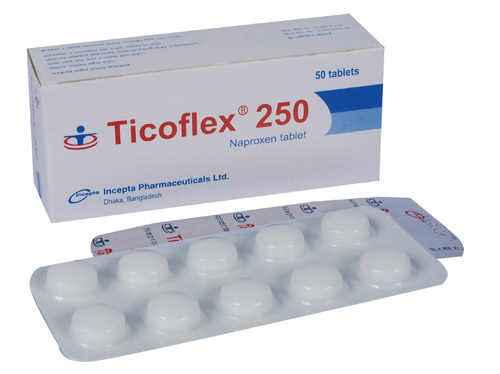
Ticoflex 250 mg (Naproxen): Complete Guide to Uses, Dosage, Benefits, Side Effects & FAQs
Introduction to Ticoflex 250 mg
Ticoflex 250 mg is a widely used prescription medicine primarily indicated for the relief of pain and inflammation associated with various musculoskeletal and joint disorders. Categorized under Non-Steroidal Anti-Inflammatory Drugs (NSAIDs) and Analgesics, it is a reliable choice for managing both acute flares and chronic conditions. Instead of just masking pain, Ticoflex 250 mg addresses the underlying inflammation that causes discomfort.
Think of Ticoflex 250 mg as a targeted anti-inflammatory agent. Rather than affecting the entire nervous system, the active ingredient Naproxen focuses on blocking the enzymes that produce the chemicals responsible for swelling and pain. This guide provides a detailed overview of Ticoflex 250 mg, its mechanism of action, medical benefits, and essential safety guidelines.
Drug Class and Mechanism of Action
Ticoflex 250 mg is classified as a non-selective COX-1 and COX-2 inhibitor, belonging to the propionic acid derivative family of NSAIDs.
Naproxen works by inhibiting the enzyme cyclooxygenase (COX). This enzyme is responsible for the synthesis of prostaglandins—lipid compounds that trigger pain, fever, and inflammation in response to injury or disease. By reducing the concentration of these prostaglandins, Ticoflex 250 mg effectively lowers the “volume” of pain signals and reduces swelling in joints and tissues.
How Ticoflex 250 mg Works in the Body
When the body experiences tissue damage or chronic arthritis, it produces an excess of inflammatory markers. Ticoflex 250 mg manages this by:
-
Blocking the production of pain-causing chemical messengers.
-
Reducing fluid retention and swelling in the affected joints.
-
Lowering fever associated with inflammatory states.
The sustained action of Naproxen allows for twice-daily dosing, providing long-lasting relief compared to shorter-acting painkillers like ibuprofen.
Medical Uses of Ticoflex 250 mg
Ticoflex 250 mg is used for a variety of conditions affecting the bones, joints, and muscles.
Ticoflex 250 mg for Chronic Arthritis
Ticoflex 250 mg is a mainstay treatment for rheumatoid arthritis, osteoarthritis, and ankylosing spondylitis. Benefits for patients include:
-
Improved joint mobility and reduced morning stiffness.
-
Decreased pain during daily physical activities.
-
Effective long-term management of degenerative joint disease.
Ticoflex 250 mg for Acute Pain and Gout
Ticoflex 250 mg is also highly effective for short-term relief. Clinical use of Naproxen in these settings helps:
-
Manage intense pain during acute gout attacks.
-
Relieve primary dysmenorrhea (painful menstrual periods).
-
Treat acute musculoskeletal injuries such as tendonitis and bursitis.
Who Can Take Ticoflex 250 mg?
While Ticoflex 250 mg is effective, it must be used with caution, particularly in patients with digestive or cardiovascular histories.
Eligibility Criteria
You may be considered for Ticoflex 250 mg if you:
-
Have a confirmed diagnosis of an inflammatory or painful condition.
-
Are an adult or a child over the age of 5 (for juvenile rheumatoid arthritis) under medical supervision.
Who Should Avoid Ticoflex 250 mg
Ticoflex 250 mg may not be appropriate for individuals who:
-
Have a history of stomach ulcers or gastrointestinal bleeding.
-
Are allergic to aspirin or other NSAIDs (may cause severe asthma or skin reactions).
-
Have severe heart, liver, or kidney failure.
-
Are in the third trimester of pregnancy (it may cause harm to the unborn baby).
Ticoflex 250 mg Dosage and Administration
Standard Dosage Guidelines
The dosage of Ticoflex 250 mg is tailored to the severity of the condition:
-
For Arthritis: Usually 500–1000 mg daily, divided into two doses (one 250 mg tablet every 12 hours or higher).
-
For Acute Gout: A higher starting dose (often 750 mg) followed by 250 mg every 8 hours.
-
For Period Pain: Typically starts with 500 mg, followed by 250 mg every 6–8 hours as needed.
Administration Tips
-
Take with food: Always take Ticoflex 250 mg with a meal or a glass of milk to protect your stomach lining.
-
Stay hydrated: Drink plenty of water to help your kidneys process the medication.
-
Do not crush: Swallow the tablets whole; do not break or chew them.
Side Effects of Ticoflex 250 mg
Common Side Effects
-
Heartburn or indigestion.
-
Nausea or stomach pain.
-
Dizziness or headache.
-
Constipation or diarrhea.
Serious Side Effects
-
Gastrointestinal bleeding (indicated by black, tarry stools or vomiting blood).
-
Severe skin reactions (rashes or blistering).
-
Vision or hearing disturbances (ringing in the ears).
-
Edema (swelling of the ankles or feet).
Frequently Asked Questions (FAQs)
1. How long does it take for Ticoflex 250 mg to work? For acute pain (like menstrual cramps), Naproxen usually works within 30 to 60 minutes. For chronic arthritis, it may take 1 to 2 weeks of regular use to feel the full anti-inflammatory benefit.
2. Can I take Ticoflex 250 mg with other painkillers? You should avoid taking Ticoflex 250 mg with other NSAIDs (like aspirin or ibuprofen) as this increases the risk of stomach ulcers. It is generally safe to use with paracetamol if recommended by your doctor.
3. Does Ticoflex 250 mg cause drowsiness?While not common, some people may experience dizziness or drowsiness. Avoid driving until you know how the medication affects you.
4. Can I drink alcohol while taking Ticoflex 250 mg?It is advised to avoid or limit alcohol, as it can increase the risk of stomach bleeding and irritation while using Naproxen.
Medical Disclaimer: This content is for informational purposes only and does not replace professional medical advice. Always consult a qualified healthcare provider before starting or changing any medication.