Thiocard 15 mg (Methimazole): Complete Guide to Uses, Dosage, Benefits, Side Effects & FAQs
Introduction to Thiocard 15 mg
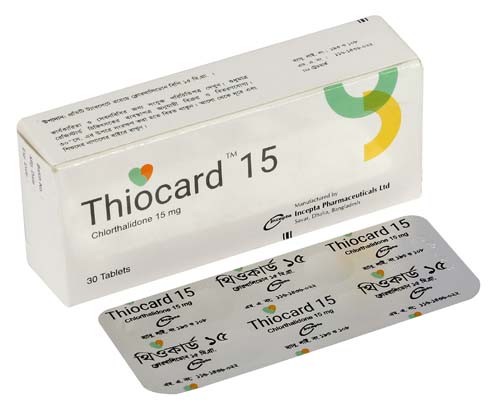
Thiocard 15 mg is a specialized prescription medicine used primarily for the management of hyperthyroidism, a condition where the thyroid gland produces excessive amounts of thyroid hormones. Categorized under the Diabetes & Endocrinology Medicines, Generic Medicines, and Prescription Medicines categories, it is a cornerstone in endocrine therapy. Instead of simply treating the symptoms of an overactive metabolism, Thiocard 15 mg works by inhibiting the chemical production of hormones at the source.
Think of Thiocard 15 mg as a metabolic regulator. Rather than blocking the effects of hormones already in your system, the active ingredient Methimazole targets the thyroid gland’s ability to create new hormones. This guide explains what Thiocard 15 mg is, how Methimazole works, its clinical benefits, and essential safety guidelines for maintaining hormonal balance.
Drug Class and Mechanism of Action
Thiocard 15 mg is classified as an antithyroid agent, specifically belonging to the thionamide class. It is designed to lower the levels of thyroxine (T4) and triiodothyronine (T3) in the bloodstream.
Methimazole works by inhibiting the enzyme thyroid peroxidase. This enzyme is responsible for attaching iodine to tyrosine residues in the thyroid gland, a critical step in hormone synthesis. By blocking this process, Thiocard 15 mg effectively slows down the production of thyroid hormones, allowing the body’s metabolic rate to return to a normal, healthy level.
How Thiocard 15 mg Works in the Body
When the thyroid is overactive, the body’s “engine” runs too fast, leading to weight loss, rapid heartbeat, and anxiety. Thiocard 15 mg manages this by:
-
Reducing the synthesis of thyroid hormones T3 and T4.
-
Helping the body achieve a “euthyroid” state (normal thyroid function).
-
Preventing the long-term complications of untreated hyperthyroidism, such as heart strain and bone loss.
Consistent use of Methimazole provides stable control over the thyroid gland, preventing the sudden spikes in hormone levels that can lead to medical emergencies like thyroid storm.
Medical Uses of Thiocard 15 mg
Thiocard 15 mg is indicated for the treatment of various forms of hyperthyroidism.
Thiocard 15 mg for Graves’ Disease
Thiocard 15 mg is a first-line treatment for Graves’ disease, an autoimmune disorder that causes hyperthyroidism. Benefits for patients include:
-
Significant reduction in symptoms like tremors, palpitations, and heat intolerance.
-
Potential for long-term remission after a full course of treatment.
-
A non-invasive alternative to radioactive iodine therapy or surgery.
Thiocard 15 mg for Pre-Surgical Preparation
Thiocard 15 mg is also used to prepare patients for thyroid surgery (thyroidectomy) or radioactive iodine treatment. Clinical use of Methimazole in these cases helps:
-
Stabilize the patient’s heart rate and metabolism before the procedure.
-
Minimize the risk of a “thyroid storm” during surgery.
-
Ensure the patient is physically fit for anesthesia.
Who Can Take Thiocard 15 mg?
Thiocard 15 mg is a potent hormonal regulator and requires regular blood monitoring under the care of an endocrinologist.
Eligibility Criteria
You may be considered for Thiocard 15 mg if you:
-
Have a confirmed diagnosis of hyperthyroidism through TSH, T3, and T4 blood tests.
-
Require medical management to control an overactive thyroid gland.
Who Should Avoid Thiocard 15 mg
Thiocard 15 mg may not be appropriate for individuals who:
-
Have a history of severe adverse reactions to Methimazole or other antithyroid drugs.
-
Have severe liver disease.
-
Are in the first trimester of pregnancy (Propylthiouracil is often preferred initially, though Methimazole may be used later).
-
Have a pre-existing blood disorder like agranulocytosis (very low white blood cell count).
Thiocard 15 mg Dosage and Administration
Standard Dosage Guidelines
-
Initial Dose: Usually starts higher to bring hormone levels under control.
-
Maintenance Dose: Once hormone levels are stable, the dose of Thiocard 15 mg is often lowered to maintain balance.
-
Frequency: Typically taken once daily or in divided doses as directed by your doctor.
-
Methimazole can be taken with or without food, but it should be taken the same way every day for consistent absorption.
Monitoring Requirements
While taking Thiocard 15 mg, you will need:
-
Regular blood tests to check TSH and free T4 levels.
-
Periodic Liver Function Tests (LFTs).
-
Complete Blood Count (CBC) to monitor white blood cell levels.
Side Effects of Thiocard 15 mg
Common Side Effects
-
Mild skin rash or itching.
-
Nausea or stomach upset.
-
Joint or muscle pain.
-
Temporary hair thinning.
Serious Side Effects
-
Agranulocytosis (sudden drop in white blood cells—watch for fever or sore throat).
-
Liver toxicity (yellowing of the eyes/skin, dark urine).
-
Severe allergic reactions.
Frequently Asked Questions (FAQs)
1. Is Thiocard 15 mg safe for long-term use? Yes, many patients use Methimazole for 12 to 18 months or longer to achieve remission in Graves’ disease, provided they are monitored regularly.
2. How long does it take for Thiocard 15 mg to work? While Thiocard 15 mg starts blocking hormone production quickly, it may take 4 to 8 weeks to feel the full effects, as the body must use up the hormones already stored in the gland.
3. Is Thiocard 15 mg a steroid? No. Thiocard 15 mg is an antithyroid medication, not a corticosteroid or an anabolic steroid.
4. What should I do if I develop a fever while taking Thiocard 15 mg? Contact your doctor immediately. A fever or sore throat while taking Methimazole can be a sign of a serious drop in white blood cells (agranulocytosis).
Medical Disclaimer: This content is for informational purposes only and does not replace professional medical advice. Always consult a qualified endocrinologist before starting or changing any thyroid medication.