
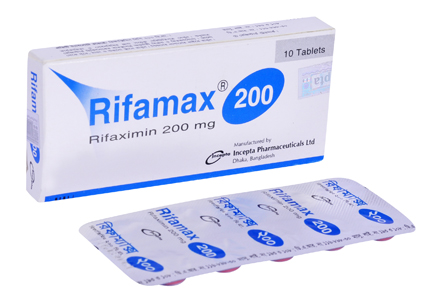
Rifamax 200mg (Rifaximin): Complete Guide to Uses, Dosage, Benefits, Side Effects & FAQS
Rifamax 200mg, containing the active generic ingredient Rifaximin, is a specialized medication categorized under Prescription Medicines, Generic Medicines, and Antibiotics & Infectious Disease Medicines. Unlike systemic antibiotics, this medication acts locally in the gastrointestinal tract to treat bacterial infections.
Introduction to Rifamax 200mg
Rifamax 200mg is a prescription medicine used to treat conditions affecting the digestive system, most commonly traveler’s diarrhea and irritable bowel syndrome with diarrhea (IBS-D). Instead of only masking symptoms, Rifamax 200mg works at the source of the infection to reduce harmful bacteria and abnormal microbial activity. Think of Rifaximin as a precision controller for the gut’s bacterial environment. Rather than affecting the entire body, it targets specific pathways in the intestines responsible for inflammation and digestive distress.
Drug Class and Mechanism of Action
Rifamax 200mg is classified as a rifamycin antibacterial. The active generic, Rifaximin, works by inhibiting bacterial RNA synthesis, which prevents bacteria from growing and multiplying. Because it is poorly absorbed into the bloodstream, Rifaximin remains concentrated in the gut, allowing it to treat intestinal infections directly with minimal systemic exposure.
How Rifamax 200mg Works in the Body
In certain digestive disorders, bacteria in the gut grow excessively or become imbalanced. Rifamax 200mg interrupts the growth of these bacteria, helping to:
-
Reduce intestinal inflammation.
-
Relieve abdominal pain, bloating, and diarrhea.
-
Limit bacterial-related tissue irritation in the gut.
-
Restore a more balanced microbial environment without affecting the rest of the body.
Medical Uses of Rifamax 200mg
Rifamax 200mg is approved for multiple gastrointestinal conditions, with clinical research supporting its effectiveness in gut health.
Rifamax 200mg for Traveler’s Diarrhea
Rifamax 200mg is widely prescribed for traveler’s diarrhea caused by non-invasive strains of E. coli in adults. Benefits for patients include:
-
Reduced frequency of bowel movements.
-
Improved abdominal comfort.
-
Faster recovery from infection.
Rifamax 200mg for IBS-D
Rifamax 200mg is also used for Irritable Bowel Syndrome with diarrhea. Clinical studies show that Rifaximin can provide significant relief from bloating and improve stool consistency.
Who Can Take Rifamax 200mg?
Rifamax 200mg is not suitable for everyone, and a medical evaluation is essential before starting the medication.
-
Eligibility Criteria: You may be considered for Rifamax 200mg if you are an adult with a diagnosed bacterial gut infection or IBS-D.
-
Who Should Avoid: Rifaximin may not be appropriate for individuals who have diarrhea with fever or bloody stools. It should also be avoided by those with severe liver disease or known hypersensitivity to rifamycin antibiotics.
Rifamax 200mg Dosage and Administration
Standard guidelines for Rifamax 200mg should be followed as directed by a healthcare provider.
-
Standard Dosage: Typically, one tablet of Rifamax 200mg is taken three times daily for a specific number of days depending on the condition.
-
Administration: It can be taken with or without food.
-
Consistency: For best results, take Rifaximin at evenly spaced intervals.
-
Missed Dose: If you miss a dose, take it as soon as you remember, but skip it if it is close to your next dose. Do not take a double dose.
Benefits of Rifamax 200mg
Key advantages of Rifamax 200mg include:
-
Targeted action within the gastrointestinal tract.
-
Low risk of systemic side effects due to minimal absorption.
-
Convenient oral tablet form.
-
Strong clinical evidence for treating gut-related bacterial overgrowth.
Side Effects of Rifamax 200mg
While generally well-tolerated, Rifamax 200mg may cause some side effects.
-
Common Side Effects: Nausea, headache, dizziness, and flatulence.
-
Serious Side Effects: Persistent watery or bloody diarrhea (which may indicate a C. difficile infection).
-
When to See a Doctor: Seek medical attention if you notice severe abdominal cramping or signs of an allergic reaction.
Warnings and Precautions
Before and during treatment with Rifamax 200mg:
-
Inform your doctor if you have severe liver impairment.
-
Complete the full course of Rifaximin even if symptoms improve.
-
Report any worsening of diarrhea promptly.
Frequently Asked Questions (FAQs)
1. Is Rifamax 200mg safe for long-term use? It is typically used for short-term courses, though some conditions like IBS-D may require repeat treatments under medical supervision.
2. Is Rifamax 200mg a typical antibiotic? No, Rifamax 200mg is a “non-systemic” antibiotic, meaning it stays in your gut rather than circulating through your whole body.
3. Can Rifamax 200mg be taken with food? Yes, it can be taken with or without food.
Conclusion & Medical Disclaimer
Rifamax 200mg (Rifaximin) is a targeted therapy designed to control bacterial issues in the gut. By addressing the infection at its source, it helps reduce symptoms and improve digestive function.
Medical Disclaimer: This content is for informational purposes only and does not replace professional medical advice, diagnosis, or treatment. Always consult a qualified healthcare provider before starting or changing any medication.


