
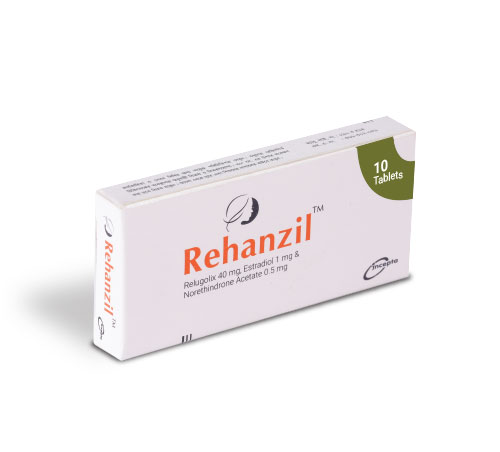
Rehanzil 40mg (Pantoprazole): Complete Guide to Uses, Dosage, Benefits, Side Effects & FAQs
Rehanzil 40mg, containing the active generic ingredient Pantoprazole, belongs to our Prescription Medicines, Gastroenterology Medicines, and Oral Medicines categories. This medication is a potent proton pump inhibitor (PPI) designed to manage acid-related disorders and protect the digestive lining.
Introduction to Rehanzil 40mg
Rehanzil 40mg is a prescription medicine used to treat conditions caused by excessive stomach acid, such as gastroesophageal reflux disease (GERD), stomach ulcers, and Zollinger-Ellison syndrome. Instead of just neutralizing existing acid, Rehanzil 40mg works at the cellular level to prevent acid production before it starts. Think of Pantoprazole as a precision shut-off valve for the acid-producing pumps in your stomach, allowing the esophagus and stomach lining time to heal.
Drug Class and Mechanism of Action
Rehanzil 40mg is classified as a Proton Pump Inhibitor (PPI). The active generic, Pantoprazole, works by specifically inhibiting the H+/K+ adenosine triphosphatase (ATPase) enzyme system, also known as the “proton pump,” found in the parietal cells of the stomach wall. By blocking this final stage of acid secretion, Pantoprazole significantly reduces the acidity of the stomach environment regardless of the stimulus (food or stress).
How Rehanzil 40mg Works in the Body
When the stomach produces too much acid, it can lead to painful burning sensations and tissue damage. The action of Rehanzil 40mg helps the body restore balance by:
-
Decreasing the total volume of gastric acid produced daily.
-
Preventing acid from backing up into the esophagus (reflux).
-
Creating a low-acid environment that allows gastric and duodenal ulcers to heal.
-
Reducing the risk of erosive esophagitis (inflammation of the food pipe).
Medical Uses of Rehanzil 40mg
Rehanzil 40mg is approved for several gastrointestinal conditions where acid modulation is required.
For GERD and Heartburn: Rehanzil 40mg is highly effective for the short-term treatment and maintenance of erosive esophagitis associated with GERD. It provides long-lasting relief from persistent heartburn and “sour burps.”
For Peptic Ulcers and Hypersecretion: As a strong form of Pantoprazole, it is used to treat stomach and intestinal ulcers and pathological hypersecretory conditions like Zollinger-Ellison syndrome, where the stomach produces extreme amounts of acid.
Who Can Take Rehanzil 40mg?
A medical professional should determine if Rehanzil 40mg is suitable for your specific symptoms.
-
Eligibility: Adults and children (usually 5 years and older, depending on weight) with diagnosed acid-related disorders.
-
Who Should Avoid: Individuals with a known hypersensitivity to Pantoprazole or other PPIs (like omeprazole). Patients with severe liver impairment should use this medication with caution.
Rehanzil 40mg Dosage and Administration
To ensure Rehanzil 40mg works effectively, follow these administration tips:
-
Standard Dose: Usually one 40mg tablet taken once daily.
-
Timing: For best results, take Rehanzil 40mg about 30 to 60 minutes before breakfast.
-
Consistency: Take Pantoprazole at the same time each day to maintain consistent acid suppression.
-
Administration: Swallow the tablet whole with water. Do not crush, chew, or break the tablet, as it is enteric-coated to survive stomach acid.
Benefits of Rehanzil 40mg
Key advantages of choosing Rehanzil 40mg include:
-
Long-Lasting Relief: A single dose of Pantoprazole can control acid production for up to 24 hours.
-
Tissue Healing: Promotes the actual healing of the esophageal lining, not just symptom masking.
-
Drug Interaction Profile: Pantoprazole generally has fewer interactions with other medications compared to some other PPIs.
-
Prevention: Highly effective at preventing the recurrence of redness and sores in the esophagus.
Side Effects of Rehanzil 40mg
While Rehanzil 40mg is generally safe for long-term use, some side effects may occur.
-
Common Effects: Headache, diarrhea, nausea, stomach pain, and flatulence (gas).
-
Less Common: Dizziness, joint pain, or dry mouth.
-
Serious Risks: Long-term use may lead to low magnesium levels, vitamin B12 deficiency, or an increased risk of bone fractures.
-
Note: Consult your doctor if you experience severe diarrhea, as Pantoprazole may increase the risk of C. difficile infection.
Warnings and Precautions
Before starting your course of Rehanzil 40mg, keep the following in mind:
-
Liver Function: Patients with severe liver disease may need their dosage monitored by a physician.
-
Nutrient Absorption: Long-term use of Pantoprazole can interfere with the absorption of certain minerals and vitamins.
-
Lupus: Some patients may experience a worsening of autoimmune conditions like lupus while on PPIs.
-
Pregnancy: Consult your doctor before using Rehanzil 40mg if you are pregnant or planning to become pregnant.
Frequently Asked Questions (FAQs)
1. Can I take Rehanzil 40mg whenever I have heartburn? Rehanzil 40mg is intended for daily use to prevent symptoms. It is not designed for immediate “on-the-spot” relief of occasional heartburn like an antacid.
2. Is it safe to take Pantoprazole for a long time? Yes, under medical supervision. However, your doctor will periodically check if you still need the medication to avoid long-term risks like bone thinning.
3. Does Rehanzil 40mg interact with food? While you can take it with food, Pantoprazole is most effective when taken on an empty stomach, 30-60 minutes before a meal.
Conclusion & Medical Disclaimer
Rehanzil 40mg (Pantoprazole) is a cornerstone of gastroenterological health, offering a reliable solution for acid-related pain and digestive healing. This content is for informational purposes only and does not replace professional medical advice. Always consult a qualified healthcare provider before starting or changing any medication.


