
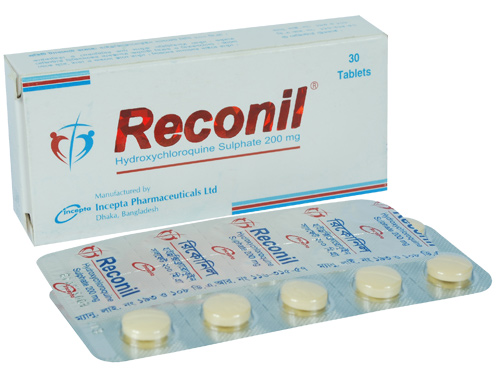
Reconil 200mg (Hydroxychloroquine Sulfate): Complete Guide to Uses, Dosage, Benefits, Side Effects & FAQs
Reconil 200mg, containing the active generic ingredient Hydroxychloroquine Sulfate, is a versatile medication categorized under our Prescription Medicines, Autoimmune & Immunology Medicines, Rheumatology & Arthritis Medicines, and Antimalarial Medicines categories. This medication is a disease-modifying anti-rheumatic drug (DMARD) used to manage chronic inflammatory conditions and prevent specific infections.
Introduction to Reconil 200mg
Reconil 200mg is a prescription medicine primarily used to treat autoimmune diseases such as rheumatoid arthritis and systemic lupus erythematosus (SLE). Additionally, it has long been used for the prevention and treatment of certain types of malaria. Instead of providing temporary pain relief, Reconil 200mg works deep within the immune system to dampen overactivity and prevent the body from attacking its own tissues. As a reliable form of Hydroxychloroquine Sulfate, it helps patients manage long-term symptoms and reduces the frequency of disease “flares.”
Drug Class and Mechanism of Action
Reconil 200mg is classified as an antimalarial and a disease-modifying anti-rheumatic drug (DMARD). The active generic, Hydroxychloroquine Sulfate, works by interfering with the communication between cells of the immune system. Specifically, it accumulates in the lysosomes (the “digestive” parts of cells) and alters the pH level, which disrupts the processes that lead to inflammation and autoimmune responses. By stabilizing the immune response, Hydroxychloroquine Sulfate helps protect joints and organs from chronic damage.
How Reconil 200mg Works in the Body
To maintain long-term health in autoimmune patients, the immune system must be carefully modulated. The action of Reconil 200mg helps achieve this by:
-
Inhibiting the production of specific proteins that cause inflammation.
-
Protecting the skin from UV-related flares in lupus patients.
-
Reducing joint stiffness and swelling in rheumatoid arthritis.
-
Interfering with the growth of parasites in the blood for those using it as an antimalarial.
Medical Uses of Reconil 200mg
Reconil 200mg is prescribed for a variety of conditions where the immune system requires stabilization or where parasitic protection is needed.
For Lupus and Rheumatoid Arthritis: Reconil 200mg is a cornerstone treatment for Systemic Lupus Erythematosus (SLE) and Discoid Lupus. It helps prevent organ damage and skin rashes. In rheumatoid arthritis, it is used to reduce joint pain and prevent long-term disability.
For Malaria Treatment and Prevention: Utilizing the properties of Hydroxychloroquine Sulfate, this medicine is used to treat acute attacks of malaria caused by susceptible strains and is also taken by travelers to prevent infection in certain regions.
Who Can Take Reconil 200mg?
A thorough medical evaluation, including an eye exam, is often required before starting Reconil 200mg.
-
Eligibility: Adults and children (dose adjusted by weight) with confirmed autoimmune conditions or those traveling to malaria-endemic areas.
-
Who Should Avoid: Individuals with a known hypersensitivity to 4-aminoquinoline compounds or those with pre-existing maculopathy (eye disease) should not take Hydroxychloroquine Sulfate.
Reconil 200mg Dosage and Administration
For Reconil 200mg to be effective, it must be taken consistently as directed:
-
Standard Dose: For RA or Lupus, the typical dose is 200mg to 400mg (one or two tablets) daily.
-
Flexibility: Reconil 200mg should be taken with a meal or a glass of milk to reduce stomach upset.
-
Consistency: Take Hydroxychloroquine Sulfate at the same time every day to keep levels steady in your system.
-
Timeline: For autoimmune diseases, it may take several weeks or even months of consistent use to see the full benefits.
Benefits of Reconil 200mg
Key advantages of choosing Reconil 200mg include:
-
Steroid-Sparing: Helps reduce the need for long-term steroid use, which carries more severe side effects.
-
Organ Protection: Proven to reduce the risk of kidney damage and blood clots in lupus patients.
-
Proven Safety: Hydroxychloroquine Sulfate has been used safely for decades and is generally well-tolerated compared to other DMARDs.
-
Dual Utility: Provides both anti-inflammatory benefits and protection against certain tropical diseases.
Side Effects of Reconil 200mg
While Reconil 200mg is safe for most, some side effects can occur.
-
Common Effects: Stomach cramps, nausea, diarrhea, and mild headache.
-
Less Common: Skin itching, hair loss, or temporary blurred vision.
-
Serious Risks: Long-term high doses can potentially cause damage to the retina (the back of the eye) or affect heart rhythm.
-
Note: Regular eye check-ups (every 6-12 months) are recommended for patients on long-term Hydroxychloroquine Sulfate therapy.
Warnings and Precautions
Before starting Reconil 200mg, observe these safety measures:
-
Eye Health: Inform your doctor immediately if you notice any changes in your vision or dark spots.
-
Diabetes: Hydroxychloroquine Sulfate may lower blood glucose levels; diabetic patients should monitor their sugar closely.
-
Muscle Weakness: Contact your physician if you experience unusual muscle weakness or tremors.
-
Drug Interactions: Tell your doctor if you are taking Digoxin, Antacids, or Diabetes medications.
Frequently Asked Questions (FAQs)
1. Is Reconil 200mg an immunosuppressant? It is considered an immunomodulator. Rather than completely “turning off” the immune system, Reconil 200mg helps balance it to stop it from attacking your own body.
2. Can I take Reconil 200mg during pregnancy? Many doctors allow the continued use of Hydroxychloroquine Sulfate during pregnancy to prevent lupus flares, but you must consult your specialist first.
3. How long can I stay on Reconil 200mg? Many patients take Hydroxychloroquine Sulfate for several years or even for life to keep their autoimmune disease in remission.
Conclusion & Medical Disclaimer
Reconil 200mg (Hydroxychloroquine Sulfate) is an essential medication for stabilizing the immune system and protecting against chronic disease progression. With proper monitoring, it offers a high standard of care for many patients. This content is for informational purposes only and does not replace professional medical advice. Always consult a qualified healthcare provider before starting or changing any medication.


