
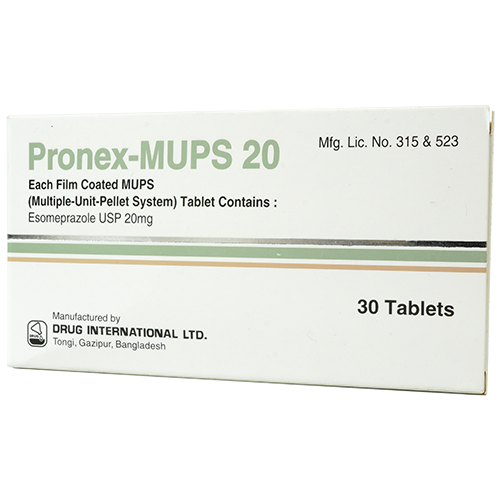
Introduction to Nexium (Esomeprazole) 20mg
Nexium (Esomeprazole) 20mg is a widely used prescription medicine for reducing excess stomach acid and treating acid-related gastrointestinal conditions such as gastroesophageal reflux disease (GERD), heartburn, erosive esophagitis, and peptic ulcer disease. It belongs to a class of medicines called proton pump inhibitors (PPIs), which work by blocking the acid-producing pumps in the stomach lining. Generic and local brands such as Pronex-MUPS 20mg contain the same active ingredient, Esomeprazole, and may offer similar therapeutic benefit when used under medical guidance.
Nexium (Esomeprazole) 20mg is commonly classified under Prescription Medicines, Gastrointestinal Medicines, Anti-Ulcer Drugs, Proton Pump Inhibitors, and Acid Suppression Therapies. Pronex-MUPS 20mg is a MUPS (Multiple Unit Pellet System) formulation, designed to improve gastric acid control and protect the active medicine until it reaches the intestine.
What Is Nexium (Esomeprazole)?
Nexium is the original brand name of Esomeprazole, a medicine used to decrease stomach acid production in patients with reflux, ulcers, and other acid-related digestive disorders. Esomeprazole is the S-isomer of omeprazole and is used both for symptom relief and healing of acid damage in the esophagus and stomach.
Local brands such as Pronex-MUPS 20mg contain the same generic molecule, Esomeprazole, and are prescribed depending on availability, patient response, and physician recommendation.
Drug Class and Mechanism of Action
Esomeprazole is classified as a Proton Pump Inhibitor (PPI). It reduces stomach acid by targeting the final step of acid secretion in the gastric parietal cells.
How Esomeprazole Works
It works in several ways:
- Blocks the H+/K+-ATPase enzyme system in the stomach
- Reduces excessive gastric acid secretion
- Helps heal acid-related injury in the esophagus and stomach
- Supports ulcer healing and symptom control in reflux disease
Through these actions, Esomeprazole helps control acidity and allows irritated digestive tissues to recover.
How Nexium Works in the Body
After oral administration, Esomeprazole is absorbed and begins to suppress acid production by acting directly on acid-producing cells in the stomach. It does not neutralize acid instantly like an antacid. Instead, it gradually reduces acid production and provides more sustained symptom control. Full benefit may take a few days in some patients.
Key Actions of Esomeprazole
- Reducing acid reflux into the food pipe
- Supporting healing of erosive esophagitis
- Preventing acid-related stomach irritation
- Helping improve symptoms like heartburn, regurgitation, and upper abdominal discomfort
Generic brands such as Pronex-MUPS 20mg provide the same active ingredient and may be used as an alternative under professional supervision.
Medical Uses of Nexium (Esomeprazole) 20mg
Nexium 20mg is prescribed for a range of acid-related gastrointestinal disorders.
Nexium for GERD and Acid Reflux
Esomeprazole is commonly used to treat GERD, non-erosive reflux disease (NERD), chronic heartburn, and regurgitation. It helps reduce acid exposure in the esophagus and improve day-to-day comfort.
Potential Benefits
- Relief from persistent heartburn
- Improved healing of acid-damaged esophagus
- Better control of reflux symptoms
- Reduced recurrence of acid-related discomfort
Nexium for Peptic Ulcer and Gastric Protection
Esomeprazole may be used in patients with gastric or duodenal ulcers, especially where acid suppression is needed. It is also used to reduce the risk of NSAID-associated gastric ulcers.
Treatment Benefits
- Supports ulcer healing
- Reduces stomach acid irritation
- Helps protect the stomach lining in high-risk patients
- Can be part of Helicobacter pylori eradication therapy when prescribed with antibiotics
Nexium for Zollinger-Ellison Syndrome
Esomeprazole may also be prescribed in patients with Zollinger-Ellison Syndrome, a condition associated with excessive acid production.
Who Can Take Pronex-MUPS 20mg?
Pronex-MUPS 20mg should be taken under the supervision of a qualified healthcare professional, especially for long-term use or persistent symptoms.
Eligibility Criteria
Patients may be prescribed Nexium or Pronex-MUPS if they:
- Have GERD, acid reflux, or chronic heartburn
- Need treatment for erosive esophagitis
- Require ulcer treatment or acid suppression
- Need stomach protection while taking NSAIDs
- Are undergoing H. pylori eradication treatment as advised by a doctor
Who Should Avoid Nexium (Esomeprazole) 20mg
Nexium should NOT be used by:
- Individuals with known hypersensitivity to Esomeprazole or related PPIs
- Patients with unexplained alarm symptoms such as persistent vomiting, GI bleeding, or unexplained weight loss without medical evaluation
- Patients taking it long term without proper clinical supervision
Patients with liver disease, severe digestive symptoms, or those on multiple medicines should use it cautiously and only with physician guidance.
Nexium (Esomeprazole) 20mg Dosage and Administration
Standard Dosage Guidelines
Typical dosage recommendations include:
- Nexium 20mg once daily
- Usually taken before meals, preferably at least 1 hour before food
- Tablets should be swallowed whole
- Duration depends on the condition being treated
Common treatment durations may include:
- Symptomatic GERD: 20mg once daily for 4 weeks
- Maintenance therapy: 20mg once daily
- Erosive esophagitis: 20mg or 40mg once daily for 4–8 weeks
Always follow the exact dose prescribed by the treating physician.
Dosage Adjustments
Doctors may adjust the dose depending on:
- Severity of acid-related symptoms
- Endoscopy findings
- Response to treatment
- Need for long-term maintenance therapy
Side Effects of Nexium 20mg
Like all medicines, Nexium may cause side effects, although not everyone experiences them.
Common Side Effects
- Headache
- Diarrhea
- Nausea
- Abdominal pain
- Flatulence
- Constipation
- Dry mouth
Serious Side Effects
- Severe allergic reaction
- Persistent diarrhea
- Unusual weakness or dizziness
- Signs of liver problems
- Severe skin reactions (rare)
Patients should seek medical advice if symptoms worsen or if unusual reactions develop.
Storage:
Store below 25°C in a cool, dry place, protected from moisture and direct sunlight. Keep in the original packaging and out of reach of children.
Frequently Asked Questions (FAQs)
1. Is Nexium (Esomeprazole) 20mg safe for long-term use?
It may be used long term in selected patients, but prolonged use should only continue under medical supervision.
2. Can Pronex-MUPS 20mg be taken before food?
Yes. Esomeprazole is generally recommended at least 1 hour before meals for better acid control.
3. Is Nexium (Esomeprazole) 20mg an antacid?
No. It is not a simple antacid. It is a proton pump inhibitor that reduces acid production at the source.
4. Can Nexium be used for heartburn?
Yes. It is commonly prescribed for chronic heartburn, reflux, and GERD-related symptoms.
5. Can pregnant women take Pronex-MUPS 20mg?
It should only be used during pregnancy if a doctor determines it is necessary. Always consult a physician before use.
6. Is Pronex-MUPS 20mg the same as Nexium?
Pronex-MUPS 20mg contains Esomeprazole, the same active ingredient found in Nexium. It is a local brand version used when prescribed appropriately.
7. Do I need a prescription to buy Pronex-MUPS (Esomeprazole) 20mg?
Yes. It is best used under the advice of a qualified healthcare professional, especially if symptoms are persistent or recurrent.
Medical Disclaimer
Disclaimer:
The information provided on this page is for educational and informational purposes only and should not be considered medical advice. Nexium (Esomeprazole) is a medicine used for acid-related disorders and should be taken only according to a qualified healthcare professional’s advice. Always consult your physician before starting, stopping, or changing any medication.


