
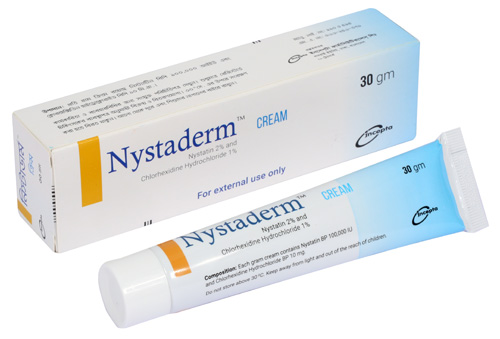
Introduction to Mycostatin (Nystatin) 2%
Mycostatin (Nystatin) 2% is a topical antifungal medicine used in the treatment of certain fungal skin infections caused by Candida and related yeasts. This medicine belongs to a specialized group of antifungal drugs that work by damaging fungal cell membranes and helping clear infection from the skin.
Mycostatin (Nystatin) 2% is classified under Prescription Medicines, Skin Medicines, Antifungal Creams, and Topical Dermatology Therapies. It contains Nystatin, which works by binding to fungal cell membranes and helping eliminate infection-causing fungi.
In some markets, Nystaderm 2% is available as a local brand containing the same active ingredient Nystatin, offering a similar therapeutic effect when prescribed by a qualified healthcare professional.
What Is Mycostatin (Nystatin)?
Mycostatin is the original brand name for Nystatin, a topical antifungal medication widely used for the treatment of Candida-related fungal infections.
Nystatin belongs to a class of medicines known as Polyene Antifungals. These medicines help kill fungi by altering the fungal cell membrane.
Local brands such as Nystaderm 2% contain the same active compound and may be used depending on physician recommendation and regional availability.
Drug Class and Mechanism of Action
Nystatin is classified as a polyene antifungal agent with activity against Candida and certain yeast infections.
How Nystatin Works
It works in several ways:
- Binds to fungal cell membrane sterols
- Damages fungal cell membrane integrity
- Helps stop fungal growth and clear infection
Through these mechanisms, Nystatin helps control and treat superficial fungal skin infections.
How Mycostatin Works in the Body
When fungi infect the skin, they can multiply and cause redness, itching, soreness, and irritation. Mycostatin helps eliminate susceptible fungi by disrupting their cell membrane and reducing infection.
Key Actions of Nystatin
- Treating Candida-related skin infection
- Reducing redness and irritation
- Helping restore healthy skin condition
Some local brands such as Nystaderm deliver the same active compound, allowing similar antifungal treatment when prescribed appropriately.
Medical Uses of Mycostatin (Nystatin) 2%
Mycostatin (Nystatin) 2% is commonly prescribed for certain fungal skin infections.
Mycostatin for Candida Skin Infections
For patients with Candida-related skin infections, Mycostatin may be prescribed to reduce symptoms and clear infection.
Potential Benefits
- Reduced itching and redness
- Improvement in fungal skin rash
- Effective topical treatment for yeast infection of the skin
Local brands like Nystaderm 2% may also be used under medical supervision when Nystatin therapy is recommended.
Mycostatin for Moist Skin Fold Infections
Mycostatin is also used for fungal infections in moist body areas such as skin folds where yeast overgrowth may occur.
Treatment Benefits
- Relief from irritation in affected areas
- Reduced fungal growth on the skin
- Convenient topical antifungal therapy
Who Can Take Nystaderm 2%?
Because Nystatin is a topical antifungal medicine, treatment should always be used as directed by a qualified healthcare provider.
Eligibility Criteria
Patients may be prescribed Mycostatin if they:
- Have a confirmed or suspected Candida-related fungal skin infection
- Need topical antifungal treatment
- Can follow proper skin application instructions
Certain local brands such as Nystaderm may also be considered depending on availability and physician decision.
Who Should Avoid Mycostatin (Nystatin) 2%
Mycostatin should NOT be used by:
- Individuals with hypersensitivity to Nystatin
- Patients with non-fungal skin diseases unless advised by a healthcare professional
- Individuals with severe skin irritation after application unless reviewed by a doctor
Mycostatin (Nystatin) 2% Dosage and Administration
Standard Dosage Guidelines
Typical dosage recommendations include:
- Mycostatin 2% as directed by the physician
- Applied topically to the affected skin area
- Use on clean and dry skin
- Wash hands after application unless the hands are the treated area
Dosage Adjustments
Doctors may adjust the duration depending on:
- Type of fungal infection
- Severity of symptoms
- Response to treatment
Side Effects of Mycostatin 2%
Like all skin medicines, Mycostatin may cause side effects.
Common Side Effects
- Mild burning sensation
- Itching at the application site
- Redness
- Skin irritation
Serious Side Effects
- Allergic Reaction: Rash, swelling, or severe irritation
- Worsening Skin Symptoms: If misused or applied to unsuitable conditions
- Severe Local Reaction: Rare but possible in sensitive individuals
Patients should report any unusual symptoms to their doctor immediately.
Storage:
Store below 25°C in a cool, dry place, protected from direct sunlight. Keep the tube tightly closed and out of reach of children.
Frequently Asked Questions (FAQs)
1. What is Mycostatin (Nystatin) 2% used for?
Mycostatin (Nystatin) 2% is used to treat Candida-related fungal skin infections and yeast infections of the skin.
2. Is Mycostatin 2% a steroid cream?
No. Mycostatin is an antifungal cream, not a steroid.
3. How should Mycostatin (Nystatin) 2% be applied?
It should be applied as a thin layer to clean, dry affected skin exactly as directed by the doctor.
4. Can Nystaderm 2% be used for eczema?
No. It is intended for fungal infections and should not be used for non-fungal skin conditions unless advised by a healthcare professional.
5. Can pregnant women use Nystaderm 2%?
Nystatin should be used during pregnancy only if recommended by a qualified healthcare professional.
6. Is Nystaderm 2% the same as Mycostatin?
Nystaderm 2% contains Nystatin, the same active ingredient found in Mycostatin. Local or generic versions may be available depending on market authorization and physician recommendation.
7. Do I need a prescription to buy Nystaderm (Nystatin) 2%?
Availability may vary by country. In some regions it may require a prescription, while in others it may be available with pharmacist guidance.
Medical Disclaimer
Disclaimer:
The information provided on this page is for educational and informational purposes only and should not be considered medical advice. Mycostatin (Nystatin) 2% should be used according to product instructions or under the supervision of a qualified healthcare professional. Always consult your physician before starting, stopping, or changing any medication.


