
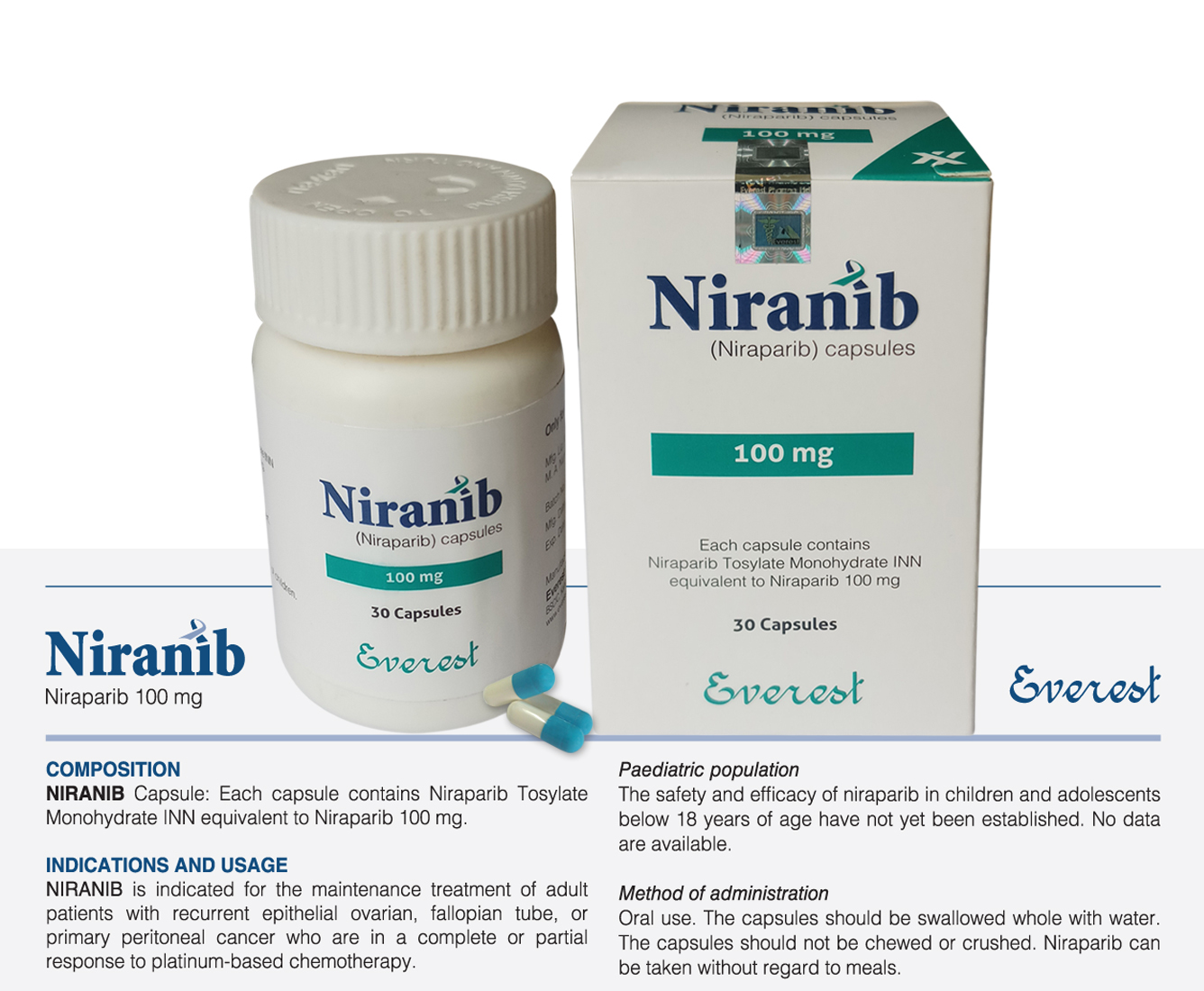
Introduction to Zejula (Niraparib) 100mg
Zejula (Niraparib) 100mg is a targeted prescription medicine used in the treatment of certain types of cancer, particularly ovarian cancer, fallopian tube cancer, and primary peritoneal cancer. This medicine belongs to a specialized class of oncology drugs known for inhibiting cancer cell repair mechanisms and slowing tumor progression.
Zejula (Niraparib) 100mg is classified under Prescription Medicines, Oncology Medicines, Anticancer Drugs, and Oral Cancer Therapies. It contains Niraparib, a PARP inhibitor that works by preventing cancer cells from repairing their damaged DNA, ultimately leading to their death.
In some markets, Niranib 100mg is available as a generic brand containing the same active ingredient Niraparib, offering a similar therapeutic effect when prescribed by a qualified healthcare professional.
What Is Zejula (Niraparib)?
Zejula is the brand name for Niraparib, an oral medication widely used in the treatment of certain gynecologic cancers.
Niraparib belongs to a class of medicines known as Poly (ADP-ribose) Polymerase (PARP) Inhibitors. These medicines help block DNA repair in cancer cells, making it harder for them to survive and multiply.
Generic versions such as Niranib 100mg contain the same active compound and may be used depending on physician recommendation and regional availability.
Drug Class and Mechanism of Action
Niraparib is classified as a PARP inhibitor with strong antineoplastic properties.
How Niraparib Works
It works in several ways:
- Inhibits PARP enzymes involved in DNA repair
- Prevents cancer cells from fixing damaged DNA
- Leads to accumulation of DNA damage and cancer cell death
Through these mechanisms, Niraparib helps slow or stop the progression of certain cancers.
How Zejula Works in the Body
Cancer cells rely heavily on DNA repair mechanisms to survive. Zejula blocks this process, making cancer cells more vulnerable to destruction.
Key Actions of Niraparib
- Blocking DNA repair pathways in cancer cells
- Enhancing cancer cell death (apoptosis)
- Reducing tumor growth and spread
Some generic versions such as Niranib deliver the same active compound, allowing similar targeted cancer treatment when prescribed appropriately.
Medical Uses of Zejula (Niraparib) 100mg
Zejula 100mg is widely prescribed for several serious cancers.
Zejula for Ovarian Cancer
Zejula is commonly used as maintenance therapy in patients with ovarian cancer after response to platinum-based chemotherapy.
Potential Benefits
- Prolonged progression-free survival
- Delayed cancer recurrence
- Improved overall disease control
Generic alternatives like Niranib 100mg may also be used under medical supervision when Niraparib therapy is recommended.
Zejula for Fallopian Tube and Primary Peritoneal Cancer
Zejula is also indicated for related gynecologic cancers.
Treatment Benefits
- Helps maintain remission
- Slows tumor progression
- Supports long-term cancer management
Who Can Take Niranib 100mg?
Because Niraparib is a potent medicine, treatment should always be supervised by an experienced healthcare provider.
Eligibility Criteria
Patients may be prescribed Zejula if they:
- Have ovarian, fallopian tube, or primary peritoneal cancer
- Have responded to platinum-based chemotherapy
- Are suitable for maintenance therapy
Certain generic options such as Niranib may also be considered depending on availability and physician decision.
Who Should Avoid Zejula (Niraparib) 100mg
Zejula should NOT be used by:
- Pregnant women or women planning pregnancy
- Individuals with hypersensitivity to Niraparib
- Patients with severe uncontrolled hypertension or bone marrow suppression
Zejula (Niraparib) 100mg Dosage and Administration
Standard Dosage Guidelines
Typical dosage recommendations include:
- Zejula 100mg once daily (dose may vary based on body weight and platelet count)
- Taken continuously without treatment breaks in many cases
- Capsules should be swallowed whole
- Can be taken with or without food
Dosage Adjustments
Doctors may adjust the dose depending on:
- Body weight and baseline platelet levels
- Blood test results such as thrombocytopenia
- Individual treatment response
Side Effects of Zejula 100mg
Like all cancer medicines, Zejula may cause side effects.
Common Side Effects
- Nausea and vomiting
- Fatigue and weakness
- Loss of appetite
- Constipation
Serious Side Effects
- Bone Marrow Suppression (low platelets, anemia, neutropenia)
- High Blood Pressure (Hypertension)
- Secondary Blood Cancers (rare cases such as MDS/AML)
Patients should report any unusual symptoms to their doctor immediately.
Storage:
Store below 25°C in a cool, dry place, protected from moisture and direct sunlight. Keep the capsules in their original packaging and out of reach of children.
Frequently Asked Questions (FAQs)
1. Is Zejula (Niraparib) 100mg safe for long-term use?
Yes, many patients use Zejula as maintenance therapy for extended periods under regular medical supervision.
2. Do I need regular blood tests during treatment?
Yes, frequent blood monitoring is required to check for platelet counts and other blood parameters.
3. Is Zejula (Niraparib) 100mg chemotherapy?
No, it is a targeted therapy (PARP inhibitor), not traditional chemotherapy.
4. Can I take Niranib 100mg with other cancer treatments?
This depends on your treatment plan. Always consult your oncologist before combining therapies.
5. Can pregnant women take Niranib 100mg?
No. Niraparib can harm the unborn baby. Effective contraception is required during treatment.
6. Is Niranib 100mg the same as Zejula?
Niranib 100mg contains Niraparib, the same active ingredient found in Zejula. Generic versions are available depending on region and prescription.
7. Do I need a prescription to buy Niranib (Niraparib) 100mg?
Yes. Niranib 100mg is a prescription-only medicine and must be used under medical supervision.
Medical Disclaimer
Disclaimer:
The information provided on this page is for educational and informational purposes only and should not be considered medical advice. Zejula (Niraparib) is a prescription-only medication and must be used strictly under the supervision of a qualified healthcare professional. Always consult your physician before starting, stopping, or changing any medication.


