
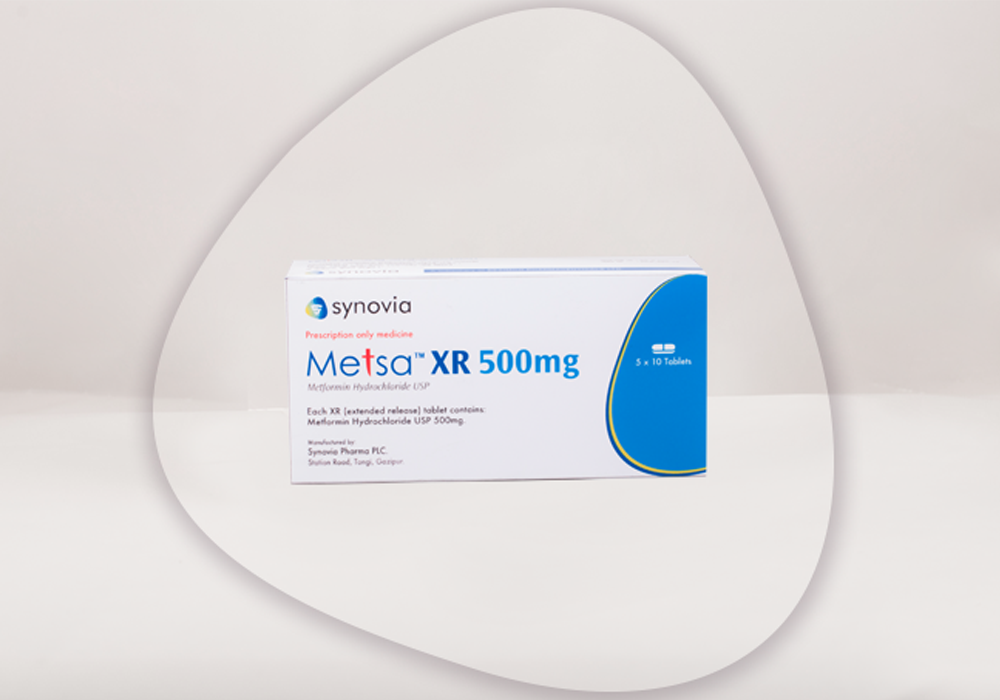
Powerful Blood Sugar Control – Glucophage (Metformin) 500mg Tablet (Prescription Medicine)
Metsa® 500 mg is a prescription oral antidiabetic medicine used for the management of type 2 diabetes mellitus. It helps lower blood sugar levels and improves the body’s response to insulin, especially when diet and exercise alone are not sufficient.
Metsa® 500 mg should be used under the supervision of a qualified healthcare professional.
Metsa® 500 mg belongs to the class of Biguanides, a widely used group of antidiabetic medicines. It contains Metformin, which works by reducing glucose production in the liver and improving insulin sensitivity in body tissues.
Metsa® 500 mg should be used under the supervision of a qualified healthcare professional.
In some markets, Glucophage (Metformin) 500mg is available as the original brand containing the same active ingredient, offering similar therapeutic benefits when prescribed by a healthcare professional.
What Is Glucophage (Metformin) ?
Glucophage is the brand name for Metformin, one of the most commonly prescribed medicines for type 2 diabetes.
Metformin helps control blood sugar without causing excessive insulin release, making it a preferred first-line therapy for many patients. It is used both as monotherapy and in combination with other antidiabetic medicines.
Generic versions such as Metsa® 500 mg contain the same active ingredient and are used depending on doctor recommendation and availability.
Metsa® 500 mg should be used under the supervision of a qualified healthcare professional.
Drug Class and Mechanism of Action
Metformin is classified as a Biguanide antidiabetic agent.
It works by:
- Reducing glucose production in the liver
- Improving insulin sensitivity
- Increasing glucose uptake by muscles
- Decreasing intestinal absorption of glucose
How Glucophage (Metformin) Works in the Body
After oral administration, Metformin works primarily in the liver and muscles to control blood sugar levels.
Key actions include:
- Lowering fasting blood glucose
- Reducing post-meal sugar levels
- Improving insulin efficiency
- Supporting long-term HbA1c reduction
Medical Uses of Glucophage (Metformin)
Type 2 Diabetes Mellitus
Used as first-line treatment for type 2 diabetes.
Benefits:
- Effective blood sugar control
- Reduced insulin resistance
- Lower risk of complications
Combination Therapy
Used with other antidiabetic medicines or insulin.
Benefits:
- Enhanced glucose control
- Better HbA1c reduction
- Improved metabolic balance
Who Can Take Metsa® 500 mg
This medicine is prescribed for:
- Adults with type 2 diabetes
- Patients uncontrolled by diet and exercise
- Individuals requiring long-term glucose control
- Patients needing combination therapy
Who Should Avoid Glucophage (Metformin)
- Type 1 diabetes patients
- Severe kidney disease patients
- Patients with metabolic acidosis
- Individuals allergic to Metformin
Dosage and Administration
- Usually taken 1–2 times daily with meals
- Start with low dose and increase gradually
- Swallow with water, do not crush
- Follow doctor’s instructions strictly
Side Effects of Metsa® 500 mg
Common side effects:
- Nausea
- Diarrhea
- Stomach upset
- Loss of appetite
Serious side effects:
- Lactic acidosis (rare but serious)
- Vitamin B12 deficiency (long-term use)
- Weakness or fatigue
Storage:
Store below 30°C in a dry place, away from sunlight and moisture.
Frequently Asked Questions
What is Glucophage (Metformin) 500mg used for?
It is used to control type 2 diabetes.
Does it cause low blood sugar?
Rarely when used alone.
Can it be used long-term?
Yes, under medical supervision.
Is it insulin?
No, it is an oral antidiabetic medicine.
When should I take it?
With meals to reduce stomach upset.
Medical Disclaimer
This information is for educational purposes only and should not be considered medical advice. Metsa® 500 mg should be used under the supervision of a qualified healthcare professional.
Metsa® 500 mg should be used under the supervision of a qualified healthcare professional.Metsa® 500 mg should be used under the supervision of a qualified healthcare professional.


