
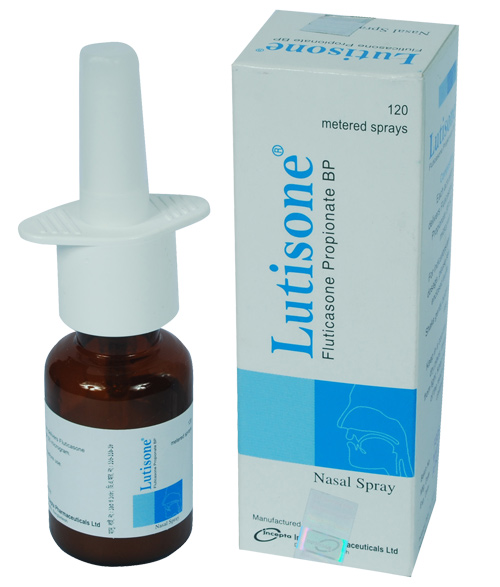
Introduction to Flonase (Fluticasone Propionate)
Flonase (Fluticasone Propionate) is a nasal corticosteroid medicine used in the treatment of allergic rhinitis and nasal inflammation. This medicine belongs to a specialized group of respiratory and ENT drugs that work by reducing inflammation, swelling, sneezing, and nasal congestion caused by allergies.
Flonase (Fluticasone Propionate) is classified under Nasal Allergy Medicines, Prescription Medicines, Corticosteroid Nasal Sprays, and ENT Therapies. It contains Fluticasone Propionate, which works by suppressing inflammatory substances in the nasal passages and helping relieve allergy symptoms.
In some markets, Lutisone Nasal Spray is available as a local brand containing the same active ingredient Fluticasone Propionate, offering a similar therapeutic effect when prescribed by a qualified healthcare professional.
What Is Flonase (Fluticasone Propionate)?
Flonase is the original brand name for Fluticasone Propionate in nasal spray form, widely used for the treatment of allergy-related nasal symptoms.
Fluticasone Propionate belongs to a class of medicines known as Corticosteroids. These medicines help reduce nasal inflammation and relieve symptoms caused by allergic rhinitis.
Local brands such as Lutisone Nasal Spray contain the same active compound and may be used depending on physician recommendation and regional availability.
Drug Class and Mechanism of Action
Fluticasone Propionate is classified as an intranasal corticosteroid with anti-inflammatory activity.
How Fluticasone Propionate Works
It works in several ways:
- Reduces inflammation in the nasal passages
- Helps decrease sneezing, runny nose, and nasal blockage
- Controls allergy-related irritation and swelling
Through these mechanisms, Fluticasone Propionate helps improve breathing comfort and reduce persistent nasal allergy symptoms.
How Flonase Works in the Body
In allergic rhinitis, the nasal passages become inflamed after exposure to allergens such as dust, pollen, or pet dander. Flonase helps suppress this inflammatory response and reduce nasal symptoms.
Key Actions of Fluticasone Propionate
- Reducing nasal swelling and inflammation
- Relieving congestion and sneezing
- Improving airflow through the nose
Some local brands such as Lutisone Nasal Spray deliver the same active compound, allowing similar allergy relief when prescribed appropriately.
Medical Uses of Flonase (Fluticasone Propionate)
Flonase (Fluticasone Propionate) is commonly prescribed for allergy-related nasal conditions.
Flonase for Allergic Rhinitis
For patients with seasonal or perennial allergic rhinitis, Flonase may be prescribed to reduce nasal symptoms and improve daily comfort.
Potential Benefits
- Relief from sneezing and runny nose
- Reduced nasal congestion
- Better control of allergy-related inflammation
Local brands like Lutisone Nasal Spray may also be used under medical supervision when Fluticasone Propionate therapy is recommended.
Flonase for Nasal Inflammation
Flonase is also used for ongoing nasal inflammation associated with allergy-triggered irritation.
Treatment Benefits
- Reduced nasal swelling
- Improved breathing through the nose
- Convenient topical nasal treatment
Who Can Take Lutisone Nasal Spray?
Because Fluticasone Propionate is a nasal corticosteroid medicine, treatment should always be used as directed by a qualified healthcare provider.
Eligibility Criteria
Patients may be prescribed Flonase if they:
- Have allergic rhinitis or nasal inflammation
- Need intranasal anti-inflammatory therapy
- Can follow the correct nasal spray technique
Certain local brands such as Lutisone Nasal Spray may also be considered depending on availability and physician decision.
Who Should Avoid Flonase (Fluticasone Propionate)
Flonase should NOT be used by:
- Individuals with hypersensitivity to Fluticasone Propionate
- Patients with untreated nasal infections unless advised by a doctor
- Individuals with recent nasal injury or surgery without medical evaluation
Flonase (Fluticasone Propionate) Dosage and Administration
Standard Dosage Guidelines
Typical dosage recommendations include:
- Flonase as directed by the physician
- Used as a nasal spray in the prescribed nostril(s)
- Shake and prime the spray if required before use
- Use regularly for best effect as advised
Dosage Adjustments
Doctors may adjust the dose depending on:
- Severity of allergy symptoms
- Age of the patient
- Response to treatment
Side Effects of Flonase
Like all nasal medicines, Flonase may cause side effects.
Common Side Effects
- Nasal irritation
- Dryness inside the nose
- Mild nosebleed
- Headache
Serious Side Effects
- Persistent Nosebleeds: If nasal tissues become irritated
- Allergic Reactions: Rash, swelling, or breathing difficulty
- Local Infection Risk: Rare in prolonged or improper use
Patients should report any unusual symptoms to their doctor immediately.
Storage:
Store below 25°C in a cool, dry place, protected from direct sunlight. Keep the bottle tightly closed and out of reach of children.
Frequently Asked Questions (FAQs)
1. What is Flonase (Fluticasone Propionate) used for?
Flonase (Fluticasone Propionate) is used to treat allergic rhinitis and nasal inflammation, helping relieve sneezing, congestion, and runny nose.
2. Is Flonase a steroid nasal spray?
Yes. Flonase contains Fluticasone Propionate, which is a corticosteroid used in the nose.
3. How long does Flonase take to work?
Some patients notice improvement within a short time, but regular use may be needed for full benefit.
4. Can Lutisone Nasal Spray cause nosebleeds?
Yes. Mild nosebleeds or nasal irritation may occur in some users.
5. Can pregnant women use Lutisone Nasal Spray?
Fluticasone Propionate should be used during pregnancy only if recommended by a qualified healthcare professional.
6. Is Lutisone Nasal Spray the same as Flonase?
Lutisone Nasal Spray contains Fluticasone Propionate, the same active ingredient found in Flonase. Local or generic versions may be available depending on market authorization and physician recommendation.
7. Do I need a prescription to buy Lutisone Nasal Spray (Fluticasone Propionate)?
Availability may vary by country. In some regions it may be available without prescription, while in others medical advice is recommended before use.
Medical Disclaimer
Disclaimer:
The information provided on this page is for educational and informational purposes only and should not be considered medical advice. Flonase (Fluticasone Propionate) should be used according to product instructions or under the supervision of a qualified healthcare professional. Always consult your physician before starting, stopping, or changing any medication.


