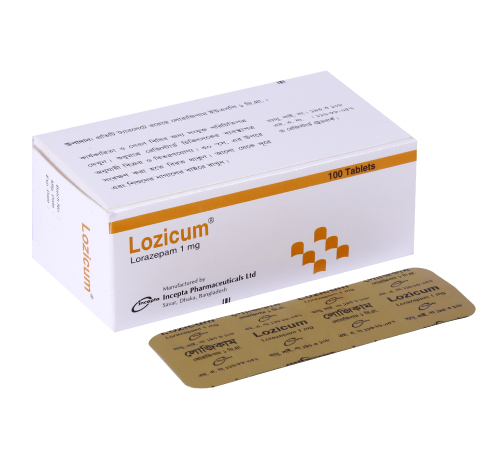
Lozicum 1 mg (Lorazepam): Complete Guide to Uses, Dosage, Benefits, Side Effects & FAQs
Lozicum 1 mg is a potent prescription medicine used primarily to manage anxiety disorders and provide short-term relief from the symptoms of anxiety. It is categorized under Prescription Medicines, Neurology & Psychiatry Medicines, and Oral Medicines. Instead of only masking physical symptoms, Lozicum 1 mg works at the neurological level to calm overactive nerve signals in the brain. Think of Lozicum as a precision controller for the central nervous system. The active generic ingredient, Lorazepam, is a benzodiazepine that enhances the effects of a natural chemical in the body (GABA) to promote relaxation. Lorazepam is highly effective for treating severe anxiety, insomnia associated with anxiety, and certain types of seizures. Because Lorazepam acts quickly on the brain’s signaling pathways, it is a vital tool in psychiatric care. Using Lorazepam strictly as directed by a healthcare professional ensures that Lozicum provides safe and effective relief from acute distress.
Drug Class and Mechanism of Action
Lozicum 1 mg is classified as a benzodiazepine. Lorazepam works by binding to Gamma-Aminobutyric Acid (GABA) receptors in the brain. GABA is an inhibitory neurotransmitter that acts as a natural “brake” for the nervous system. By interrupting these specific signaling pathways of over-excitation, Lozicum helps to:
-
Reduce excessive brain activity.
-
Induce a sense of calm and relaxation.
-
Limit immune-related physical stress responses caused by severe anxiety.
Medical Uses of Lozicum 1 mg
Lozicum 1 mg is approved for several conditions where the nervous system requires stabilization.
Lozicum for Neurology & Psychiatry Lozicum is widely prescribed for the short-term management of anxiety disorders and panic attacks. Benefits for psychiatric patients include:
-
Rapid reduction in feelings of intense fear and worry.
-
Improved ability to cope with stressful medical procedures.
-
Management of anxiety-induced insomnia.
Other Approved and Off-Label Uses Under specialist supervision, Lozicum may also be used for:
-
Control of acute seizures (Status Epilepticus).
-
Pre-anesthetic medication to produce sedation and relief of anxiety before surgery.
-
Management of symptoms associated with alcohol withdrawal.
Who Can Take Lozicum 1 mg?
Lozicum is a controlled substance and is not suitable for everyone; a thorough psychiatric or neurological evaluation is essential.
Eligibility Criteria A patient may be considered for Lozicum 1 mg if they:
-
Are an adult suffering from severe, disabling anxiety.
-
Require a fast-acting medication for acute panic or seizure control.
-
Can be monitored regularly for signs of dependency or side effects.
Who Should Avoid Lozicum This medication may not be appropriate for individuals who:
-
Have a history of narrow-angle glaucoma.
-
Have severe respiratory insufficiency or sleep apnea.
-
Have a history of substance abuse or addiction.
-
Are pregnant or breastfeeding (due to potential risks to the infant).
Lozicum 1 mg Dosage and Administration
Standard Dosage Guidelines
-
The typical dose of Lozicum 1 mg is determined by the doctor, often taken 2 to 3 times daily for anxiety.
-
It is an oral tablet that can be taken with or without food.
-
For best results and to avoid withdrawal, follow the exact schedule provided by your doctor.
Missed Dose Instructions
-
If you miss a dose, take it as soon as you remember, unless it is almost time for your next dose.
-
Do not take a double dose to make up for a forgotten one.
-
Consult your doctor if you miss several doses.
Benefits of Lozicum 1 mg
Key advantages of Lozicum include:
-
Very rapid onset of action, often providing relief within 30 to 60 minutes.
-
High efficacy in stopping acute panic attacks.
-
Multiple therapeutic uses ranging from anxiety to seizure management.
-
Strong clinical evidence supporting its safety for short-term clinical use.
Side Effects of Lozicum 1 mg
Common Side Effects
-
Drowsiness or sleepiness.
-
Dizziness and lack of coordination (ataxia).
-
Muscle weakness.
-
Fatigue or lightheadedness.
Serious Side Effects
-
Respiratory depression (slowed breathing).
-
Significant changes in mood or suicidal thoughts.
-
Memory impairment or confusion.
-
Physical and psychological dependence (addiction).
Warnings and Precautions
-
Dependency: Lorazepam can be habit-forming. It is intended for short-term use only (usually 2-4 weeks).
-
Alertness: Do not drive or operate heavy machinery until you know how Lozicum affects you.
-
Alcohol: Avoid alcohol entirely while taking this medicine, as it can lead to dangerous levels of sedation.
-
Tapering: Never stop taking Lozicum suddenly, as this can cause severe withdrawal symptoms.
Drug Interactions
Lozicum may interact with:
-
Other CNS depressants (opioids, sleeping pills, muscle relaxants).
-
Certain antidepressants and antipsychotics.
-
Antiepileptic drugs like Valproate.
Frequently Asked Questions (FAQs)
-
Is Lozicum 1 mg safe for long-term use? Generally, no. Lozicum is intended for short-term relief. Long-term use requires very careful medical monitoring due to the risk of tolerance.
-
Can I take Lozicum 1 mg for sleep? It is sometimes prescribed for insomnia caused by anxiety, but it should only be used as directed by your doctor.
-
Does Lorazepam cause memory loss? In some cases, especially at higher doses, Lorazepam can cause temporary forgetfulness or difficulty concentrating.