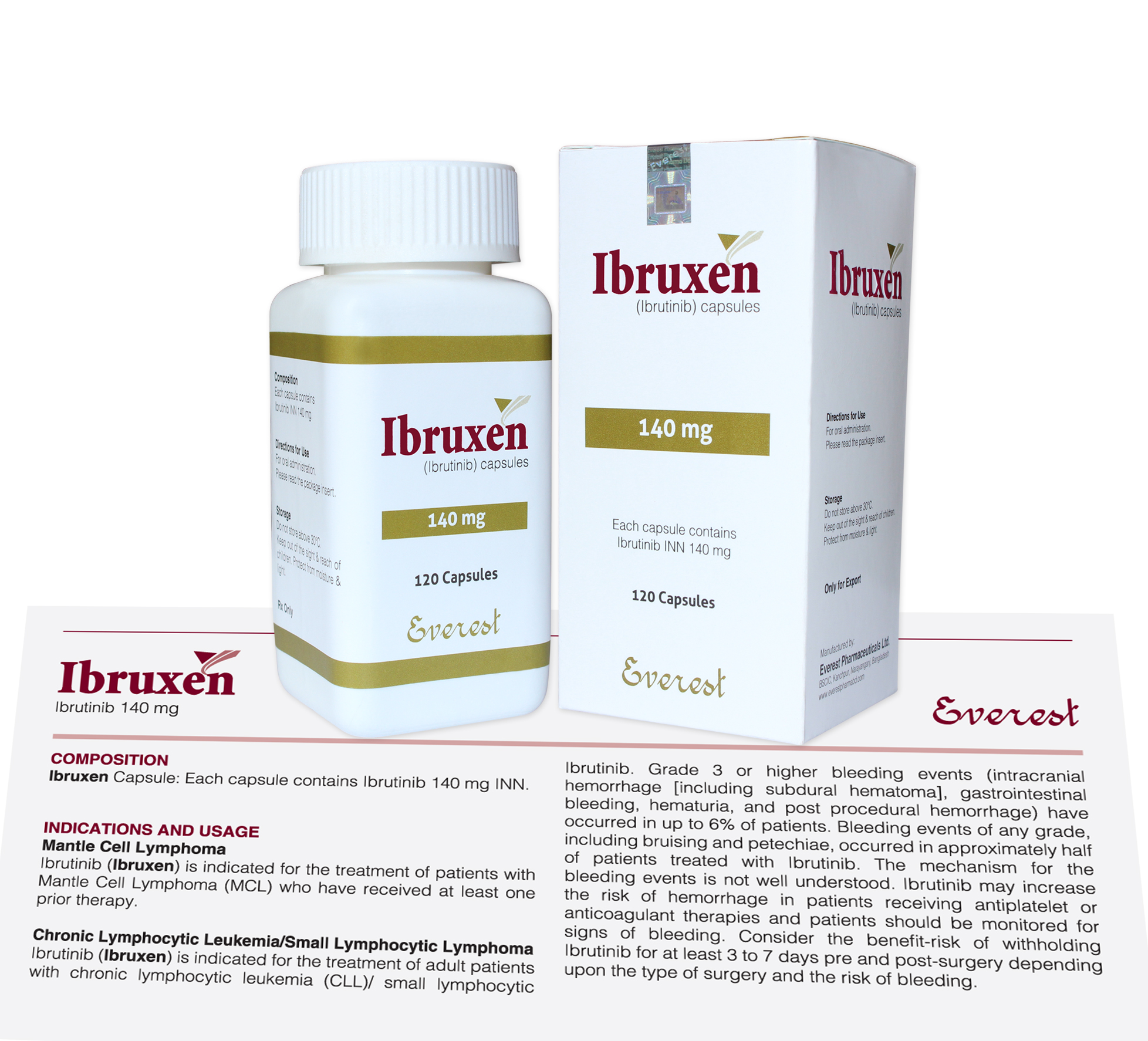
Ibruxen 140 mg (Ibrutinib): Complete Guide to Uses, Dosage, Benefits, Side Effects & FAQS
Ibruxen 140 mg is a breakthrough prescription medication containing the active ingredient Ibrutinib. It is categorized under Prescription Medicines, Oncology & Cancer Medicines, Anticancer Medicines, and Hematology Medicines. As a first-in-class Bruton’s tyrosine kinase (BTK) inhibitor, Ibruxen 140 mg has revolutionized the treatment of certain B-cell malignancies (blood cancers).
Introduction to Ibruxen 140 mg
Ibruxen 140 mg is a targeted oral therapy used to treat specific types of non-Hodgkin lymphoma and chronic lymphocytic leukemia. Unlike traditional chemotherapy, which kills all fast-growing cells, Ibruxen is designed to home in on the specific signaling pathways that B-cells (a type of white blood cell) use to survive and multiply. By utilizing the potent action of Ibrutinib, this medication helps keep the cancer in check, often leading to long-term remission with a more manageable side-effect profile than standard IV chemotherapy.
Drug Class and Mechanism of Action
Ibruxen 140 mg belongs to a class of drugs known as BTK (Bruton’s tyrosine kinase) inhibitors.
-
Blocking the Signal: In B-cell cancers, the BTK protein sends constant signals to the cell nucleus, telling the cancer cell to grow, divide, and stay alive.
-
Covalent Binding: Ibrutinib forms a strong bond with the BTK protein, permanently “switching it off.“
-
Tumor Reduction: By blocking these signals, the cancer cells stop multiplying and are often forced out of the lymph nodes and into the bloodstream, where they eventually die. This precision allows Ibruxen to be highly effective against specific B-cell markers while sparing many healthy cells.
Medical Uses of Ibruxen 140 mg
Ibruxen 140 mg is approved for several critical hematological indications:
-
Chronic Lymphocytic Leukemia (CLL) / Small Lymphocytic Lymphoma (SLL): Often used as a first-line treatment or for patients who have relapsed.
-
Mantle Cell Lymphoma (MCL): Prescribed for patients who have received at least one prior therapy.
-
Waldenström’s Macroglobulinemia (WM): A rare type of B-cell lymphoma that produces excess protein in the blood.
-
Marginal Zone Lymphoma (MZL): For patients requiring systemic therapy who have received at least one prior anti-CD20-based therapy.
-
Chronic Graft-versus-Host Disease (cGVHD): Used after the failure of one or more lines of systemic therapy following a transplant.
Who Can Take Ibruxen 140 mg?
A hematologist-oncologist must confirm the cancer type and stage before starting treatment.
-
Eligibility: Adults with confirmed B-cell malignancies or cGVHD.
-
Screening: Doctors will check for history of heart rhythm problems (atrial fibrillation), bleeding disorders, or recent surgeries.
-
Who Should Avoid It: Patients with severe liver impairment or those about to undergo major surgery (due to bleeding risks).
-
Pregnancy Warning: Ibrutinib can cause fetal harm. Effective contraception is mandatory during treatment and for 1 month after the final dose.
Ibruxen 140 mg Dosage and Administration
Dosing varies by the condition being treated, but typical guidelines include:
-
Standard Dosage: * CLL/SLL/WM: Usually 420 mg (three 140 mg capsules) once daily.
-
MCL/MZL: Usually 560 mg (four 140 mg capsules) once daily.
-
-
Administration: Swallow capsules whole with a glass of water. Do not open, break, or chew them.
-
Consistency: Take at the same time every day. It can be taken with or without food.
-
Grapefruit & Orange Warning: Avoid grapefruit, grapefruit juice, and Seville oranges, as they can increase drug levels to toxic amounts.
Benefits of Ibruxen 140 mg
-
Targeted Efficacy: Highly effective even in high-risk genetic subtypes (like 17p deletion) where traditional chemo often fails.
-
Oral Administration: No need for long hospital stays or IV ports for this specific medication.
-
Durable Response: Many patients remain on Ibrutinib for years with stable disease.
-
Chemo-Free Option: Can be used alone or with immunotherapy (like Rituximab) for a completely non-chemotherapy regimen.
Side Effects of Ibruxen 140 mg
Common side effects may include:
-
Diarrhea and nausea.
-
Fatigue and muscle/joint pain.
-
Upper respiratory tract infections (coughs/colds).
-
Low blood counts (anemia or neutropenia).
Seek medical attention immediately if you notice:
-
Atrial Fibrillation: Feeling like your heart is racing, fluttering, or skipping beats.
-
Bleeding: Unusual bruising, pink urine, or stools that look like coffee grounds.
-
Severe Infection: Fever, chills, or persistent cough.
-
Tumor Lysis Syndrome: Rapid breakdown of cancer cells (signs include confusion or decreased urination).
Warnings and Precautions
-
Bleeding Risk: Ibruxen acts like a mild blood thinner. You may need to stop it 3–7 days before and after surgery.
-
Heart Health: It can increase blood pressure and cause heart rhythm issues. Regular monitoring is required.
-
Secondary Cancers: There is a small risk of developing non-melanoma skin cancers; use sun protection.
Frequently Asked Questions (FAQs)
-
Is Ibruxen 140 mg a chemotherapy? No, it is a targeted immunotherapy (BTK inhibitor). It works differently than traditional “cell-killing” chemo.
-
What if my white blood cell count goes UP when I start? This is actually common with Ibrutinib. It “pushes” the cancer cells out of the lymph nodes into the blood. Your doctor will monitor this.
-
Can I take Ibruxen with blood thinners like aspirin? Be very careful. Combining Ibruxen with anti-platelets or anticoagulants increases the risk of serious bleeding. Always consult your doctor.
-
How long do I take it? Usually, treatment is continued indefinitely as long as the cancer is not progressing and you feel well.
Conclusion
Ibruxen 140 mg (Ibrutinib) is a cornerstone of modern hematology, offering a potent and precise alternative to traditional chemotherapy. By “turning off” the growth signals in malignant B-cells, it provides patients with a path toward long-term disease control. For the best outcome, ensure strict adherence to daily dosing and report any heart palpitations or unusual bruising to your oncology team immediately.
Medical Disclaimer: This content is for informational purposes only and does not replace professional medical advice. Always consult your hematologist before starting or changing any medication.