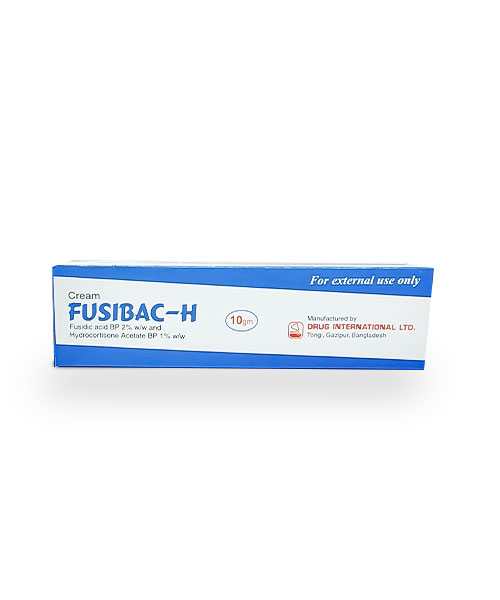
Fusibac – H (Fusidic Acid & Hydrocortisone Acetate): Complete Guide to Uses, Dosage, Benefits, Side Effects & FAQs
Introduction to Fusibac – H
Fusibac – H is a dual-action prescription medication used to treat inflammatory skin conditions where a bacterial infection is also present or likely to occur. Containing the active ingredients Fusidic Acid and Hydrocortisone Acetate, Fusibac – H belongs to the Dermatology & Skin Medicines and Topical Medicines categories. Instead of only treating the infection or the inflammation separately, Fusibac – H works at the cellular level to eliminate bacteria while simultaneously reducing redness and swelling. Think of Fusibac – H as a precision controller for infected skin. Rather than suppressing the entire immune system, it targets specific bacterial protein synthesis and localized inflammatory pathways. This guide explains what Fusibac – H is, how it works, and its clinical benefits in clear, easy-to-understand language.
What Is Fusibac – H (Fusidic Acid & Hydrocortisone Acetate)?
Fusibac – H is the brand name for a combination topical therapy developed for dermatological diseases. It combines Fusidic Acid, a potent antibacterial agent, with Hydrocortisone Acetate, a mild corticosteroid, to provide a balanced approach to skin healing.
Drug Class and Mechanism of Action
Fusibac – H is classified as a combined topical antibiotic and anti-inflammatory agent. While single-component creams address only one issue, the components of Fusibac – H work in tandem:
-
Fusidic Acid works by inhibiting bacterial protein synthesis, specifically targeting Staphylococcus bacteria which are common in skin infections.
-
Hydrocortisone Acetate is a mild corticosteroid that reduces the release of inflammatory chemicals in the skin. By blocking both bacterial growth and the body’s overactive inflammatory response, Fusibac – H addresses the skin condition at its source.
How Fusibac – H Works in the Body
The skin communicates through chemical signals to trigger inflammation when damaged or infected. In conditions like infected eczema, these signals become too strong. Fusibac – H interrupts these pathways by:
-
Stopping the replication of harmful bacteria on the skin surface.
-
Relieving persistent itching, redness, and swelling.
-
Limiting immune-related tissue damage in the affected area.
-
Allowing the skin barrier to repair itself while avoiding unnecessary bacterial overgrowth.
Medical Uses of Fusibac – H
Fusibac – H is approved for various inflammatory skin disorders where a secondary bacterial infection is suspected.
Fusibac – H for Infected Eczema and Dermatitis
Fusibac – H is widely prescribed for moderate to severe eczema (atopic dermatitis) that has become infected. Benefits for these patients include:
-
Rapid reduction in skin weeping, crusting, and redness.
-
Significant relief from the “itch-scratch” cycle.
-
Elimination of the underlying bacterial cause of the flare-up. Many patients report a noticeable improvement in skin comfort within the first 48 hours of using Fusidic Acid and Hydrocortisone Acetate.
Fusibac – H for Other Skin Conditions
Under medical supervision, Fusibac – H may also be used for:
-
Infected insect bites or small wounds.
-
Seborrheic dermatitis with secondary infection.
-
Other localized skin inflammations that require an antibacterial shield.
Who Can Use Fusibac – H?
Fusibac – H is a specialized topical therapy, and a professional medical evaluation is essential before application.
Eligibility Criteria
You may be considered for Fusibac – H if you:
-
Are an adult or child with an inflammatory skin condition and suspected infection.
-
Have not responded to simple moisturizing or mild antiseptic treatments.
-
Require a short-term, targeted therapy for localized skin lesions.
Who Should Avoid Fusibac – H
Fusibac – H may not be appropriate for individuals who:
-
Have skin conditions caused solely by fungi or viruses (like herpes or chickenpox).
-
Have tuberculosis or syphilis-related skin manifestations.
-
Have a known hypersensitivity to Fusidic Acid or Hydrocortisone Acetate.
-
Suffer from perioral dermatitis or rosacea.
Fusibac – H Dosage and Administration
Standard Application Guidelines
The typical recommended usage for Fusibac – H is:
-
Apply a thin layer to the affected area 2 to 3 times daily.
-
Wash hands before and after application to prevent the spread of infection.
-
The treatment duration is usually limited to 2 weeks to prevent side effects.
Usage Adjustments
Your doctor may adjust the application of Fusibac – H if you:
-
Are treating a very large area of skin.
-
Are using the cream on sensitive areas like the face or skin folds.
-
Are treating an infant or young child, where absorption is higher.
Benefits of Fusibac – H
Key advantages of Fusibac – H include:
-
Targeted modulation of both infection and inflammation in one step.
-
High concentration of Fusidic Acid at the site of infection.
-
Low risk of systemic side effects due to its topical nature.
-
Strong clinical evidence for treating infected atopic dermatitis.
Side Effects of Fusibac – H
Common Side Effects
-
Mild stinging or irritation at the application site.
-
Dryness or thinning of the skin with prolonged use.
-
Temporary redness.
Serious Side Effects
-
Allergic contact dermatitis.
-
Spread of an untreated infection.
-
Adrenal suppression (rare, only with very long-term use over large areas).
Frequently Asked Questions (FAQs)
-
Is Fusibac – H safe for long-term use? No, it is generally intended for short-term use (up to 2 weeks) to avoid skin thinning.
-
Can Fusibac – H cause weight gain? No, weight gain is not a common side effect of topical Fusibac – H as systemic absorption is minimal.
-
Is Fusibac – H a steroid? Yes, it contains Hydrocortisone Acetate, which is a mild corticosteroid, combined with an antibiotic.
-
Can I use Fusibac – H on the face? You should only use it on the face if specifically directed by your doctor, and usually only for a very short period.
Medical Disclaimer: This content is for informational purposes only and does not replace professional medical advice, diagnosis, or treatment. Always consult a qualified healthcare provider before starting Fusibac – H.