
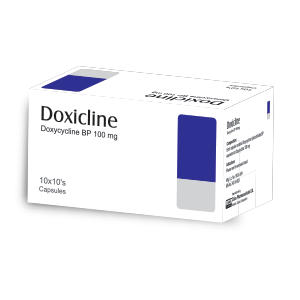
Introduction to Vibramycin (Doxycycline) 100mg
Vibramycin (Doxycycline) 100mg is a prescription antibiotic used to treat a variety of bacterial infections, including respiratory tract infections, skin infections, urinary tract infections, and certain sexually transmitted infections.
Doxicline (Doxycycline) 100mg is classified under Prescription Medicines, Antibiotics, Tetracycline Class Drugs, and Oral Antibacterial Therapy. It contains Doxycycline, which works by inhibiting bacterial protein synthesis, preventing the growth and spread of bacteria.
Generic versions of Doxicline 100mg are available in some markets, containing the same active ingredient Doxycycline, offering similar therapeutic effects under medical supervision.
What Is Doxicline (Doxycycline)?
Doxicline is the brand name for Doxycycline, a broad-spectrum oral antibiotic commonly prescribed to treat bacterial infections.
Doxycycline belongs to the Tetracycline class of antibiotics. It works by interfering with bacterial protein synthesis, stopping bacterial growth and infection progression.
Generic versions such as Doxicline 100mg contain the same active compound and may be prescribed depending on availability and physician recommendation.
Drug Class and Mechanism of Action
Doxycycline is classified as a Tetracycline antibiotic with bacteriostatic properties.
How Doxycycline Works
It works in several ways:
- Inhibits bacterial protein synthesis
- Prevents bacteria from multiplying
- Helps the immune system clear the infection
Through these mechanisms, Doxycycline helps treat a wide range of bacterial infections.
How Doxicline Works in the Body
Doxycycline targets bacterial ribosomes, preventing bacteria from producing essential proteins needed for growth and survival.
Key Actions of Doxycycline
- Stops bacterial replication
- Reduces infection symptoms
- Helps control bacterial spread
- Effective against Gram-positive and Gram-negative bacteria
Medical Uses of Doxicline (Doxycycline) 100mg
Doxicline 100mg is prescribed for a variety of bacterial infections.
Doxicline for Respiratory Infections
- Treats pneumonia, bronchitis, and sinus infections
Doxicline for Skin Infections
- Effective against acne and cellulitis
Doxicline for Urinary Tract Infections
- Treats uncomplicated UTIs
Doxicline for Sexually Transmitted Infections
- Effective against chlamydia and syphilis
Potential Benefits
- Rapid symptom relief
- Prevention of bacterial complications
- Broad-spectrum coverage
Who Can Take Doxicline 100mg?
Doxicline should be used under medical supervision.
Eligibility Criteria
Patients may be prescribed Doxicline if they:
- Have confirmed bacterial infections
- Do not have severe liver or kidney disease
- Are not allergic to tetracyclines
Who Should Avoid Doxicline (Doxycycline) 100mg
Doxicline should NOT be used by:
- Pregnant women (especially after 16 weeks)
- Children under 8 years
- Individuals with hypersensitivity to tetracyclines
Doxicline (Doxycycline) 100mg Dosage and Administration
Standard Dosage Guidelines
Typical dosage recommendations include:
- Doxicline 100mg once or twice daily, depending on infection type
- Take with a full glass of water
- Can be taken with or without food, but avoid dairy or antacids close to dose
Dosage Adjustments
Doctors may adjust the dose depending on:
- Kidney or liver function
- Infection severity
- Patient age and weight
Side Effects of Vibramycin (Doxycycline) 100mg
Common Side Effects
- Nausea and vomiting
- Diarrhea
- Sun sensitivity (photosensitivity)
- Mild skin rash
Serious Side Effects
- Severe allergic reactions
- Liver problems
- Blood disorders
- Severe diarrhea (possible Clostridium difficile infection)
Patients should contact their doctor if serious side effects occur.
Storage:
Store below 25°C in a cool, dry place, away from sunlight. Keep out of reach of children.
Frequently Asked Questions (FAQs)
1. Is Doxicline 100mg safe for long-term use?
It should only be used long-term under medical supervision due to potential liver or gut flora effects.
2. Can Doxicline cause sun sensitivity?
Yes, patients should avoid excessive sun exposure and use sunscreen.
3. Can pregnant women take Doxicline?
No, it is contraindicated after 16 weeks of pregnancy.
4. Can Doxicline treat viral infections?
No, it only works against bacterial infections.
5. Do I need a prescription for Doxicline 100mg?
Yes, it is a prescription-only antibiotic.
Medical Disclaimer
Disclaimer:
The information provided here is for educational purposes only and should not be considered medical advice. Doxicline (Doxycycline) is a prescription medicine and must be used under the supervision of a qualified healthcare professional.


