Introduction to Dalacin (Clindamycin) 300mg
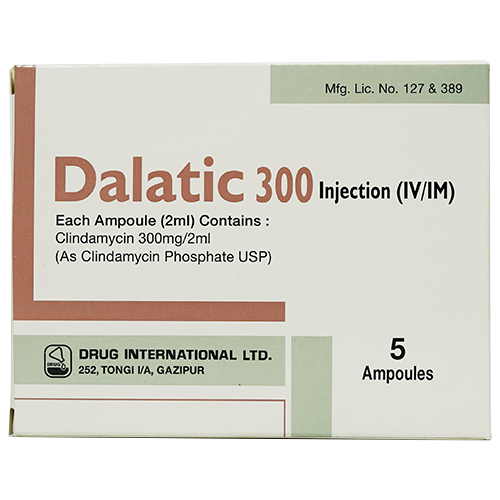
Dalatic Injection (Clindamycin) 300mg is a prescription antibiotic used to treat a wide range of bacterial infections. It works by stopping the growth of bacteria and is commonly administered in hospitals for serious infections, including skin, bone, respiratory, and intra-abdominal infections.
Dalatic (Clindamycin) 300mg is classified under Prescription Medicines, Antibiotics, Lincosamide Class, and Injectable Antibacterial Therapies. It contains Clindamycin, which interferes with bacterial protein synthesis, effectively killing or inhibiting bacteria.
In some markets, Dalatic 300mg may also be available as a generic or local brand containing the same active ingredient Clindamycin, offering similar therapeutic effects when administered by a qualified healthcare professional.
What Is Dalacin (Clindamycin)?
Dalacin is the original brand name for Clindamycin, a lincosamide antibiotic widely used for the treatment of moderate to severe bacterial infections.
Clindamycin belongs to a class of antibiotics known as Lincosamides. These medicines work by binding to bacterial ribosomes, inhibiting protein synthesis, which prevents bacterial growth and survival.
Generic versions such as Dalatic 300mg contain the same active compound and may be used depending on physician recommendation and regional availability.
Drug Class and Mechanism of Action
Clindamycin is classified as a lincosamide antibiotic with potent bacteriostatic and bactericidal properties against susceptible bacteria.
How Clindamycin Works
It works in several ways:
- Binds to bacterial 50S ribosomal subunit
- Inhibits bacterial protein synthesis
- Prevents growth and replication of bacteria
Through these mechanisms, Clindamycin helps eliminate bacterial infections and prevents further complications.
How Dalacin Works in the Body
Clindamycin circulates in the bloodstream after intramuscular or intravenous administration, reaching tissues and sites of infection to combat susceptible bacteria.
Key Actions of Clindamycin
- Kills or inhibits bacteria causing infection
- Penetrates bone, skin, and soft tissues effectively
- Controls bacterial growth to reduce infection and inflammation
Some generic versions such as Dalatic deliver the same active compound, allowing similar antibacterial therapy when administered appropriately.
Medical Uses of Dalacin (Clindamycin) 300mg
Clindamycin 300mg injection is prescribed for a variety of serious bacterial infections.
Clindamycin for Skin and Soft Tissue Infections
It treats infections caused by susceptible bacteria, including cellulitis, abscesses, and wound infections.
Potential Benefits
- Rapid bacterial clearance
- Reduces inflammation and infection-related symptoms
- Prevents spread of infection
Generic alternatives like Dalatic 300mg may also be used under medical supervision when Clindamycin therapy is recommended.
Clindamycin for Bone, Respiratory, and Intra-Abdominal Infections
Clindamycin is effective against osteomyelitis, pneumonia, and abdominal infections caused by susceptible strains.
Treatment Benefits
- Penetrates difficult-to-reach tissues
- Supports recovery from severe infections
- Provides alternative therapy for penicillin-allergic patients
Who Can Take Dalatic 300mg?
Because Clindamycin is a potent antibiotic, treatment should always be supervised by a qualified healthcare provider.
Eligibility Criteria
Patients may be prescribed Clindamycin if they:
- Have confirmed bacterial infections susceptible to Clindamycin
- Are allergic to other antibiotics like penicillin
- Can be monitored for side effects and response to therapy
Certain local brands such as Dalatic may also be considered depending on availability and physician decision.
Who Should Avoid Dalacin (Clindamycin) 300mg
Clindamycin should NOT be used by:
- Patients with hypersensitivity to Clindamycin or lincomycin
- Individuals with a history of antibiotic-associated colitis
- Pregnant or breastfeeding women unless advised by a doctor
Dalacin (Clindamycin) 300mg Dosage and Administration
Standard Dosage Guidelines
Typical dosage recommendations include:
- Clindamycin 300mg injected intravenously or intramuscularly
- Administered 2–4 times daily depending on infection severity
- Dosage adjusted according to weight, infection type, and renal function
- Should be administered under medical supervision
Dosage Adjustments
Doctors may adjust the dose depending on:
- Severity and type of infection
- Kidney or liver function
- Patient response to therapy
Side Effects of Clindamycin 300mg
Like all antibiotics, Clindamycin may cause side effects.
Common Side Effects
- Nausea or vomiting
- Diarrhea
- Rash or itching
- Injection site reactions
Serious Side Effects
Antibiotic-Associated Colitis: May cause severe diarrhea
Allergic Reactions: Rash, swelling, or anaphylaxis
Liver Dysfunction: Rare but possible
Patients should report any unusual symptoms to their doctor immediately.
Storage:
Store below 25°C in a cool, dry place, protected from light. Keep the vial in original packaging and out of reach of children.
Frequently Asked Questions (FAQs)
1. What is Clindamycin 300mg injection used for?
It is used to treat serious bacterial infections, including skin, bone, respiratory, and intra-abdominal infections.
2. Can Clindamycin be given to patients allergic to penicillin?
Yes. Clindamycin is often used as an alternative for penicillin-allergic patients.
3. How is Dalatic 300mg administered?
It is given intravenously or intramuscularly under medical supervision, usually 2–4 times daily depending on infection severity.
4. Is Dalatic 300mg the same as Dalacin?
Dalatic 300mg contains Clindamycin, the same active ingredient found in Dalacin. Generic versions is available. for more info. contact on WhatsApp: https://wa.me/8801742433764
5. Do I need a prescription to get Dalatic (Clindamycin) 300mg?
Yes. Dalatic 300mg is a prescription-only injectable antibiotic and should only be used under medical supervision.
Medical Disclaimer
Disclaimer:
The information provided on this page is for educational and informational purposes only and should not be considered medical advice. Clindamycin is a prescription-only medication and must be used strictly under the supervision of a qualified healthcare professional. Always consult your physician before starting, stopping, or changing any antibiotic therapy.