
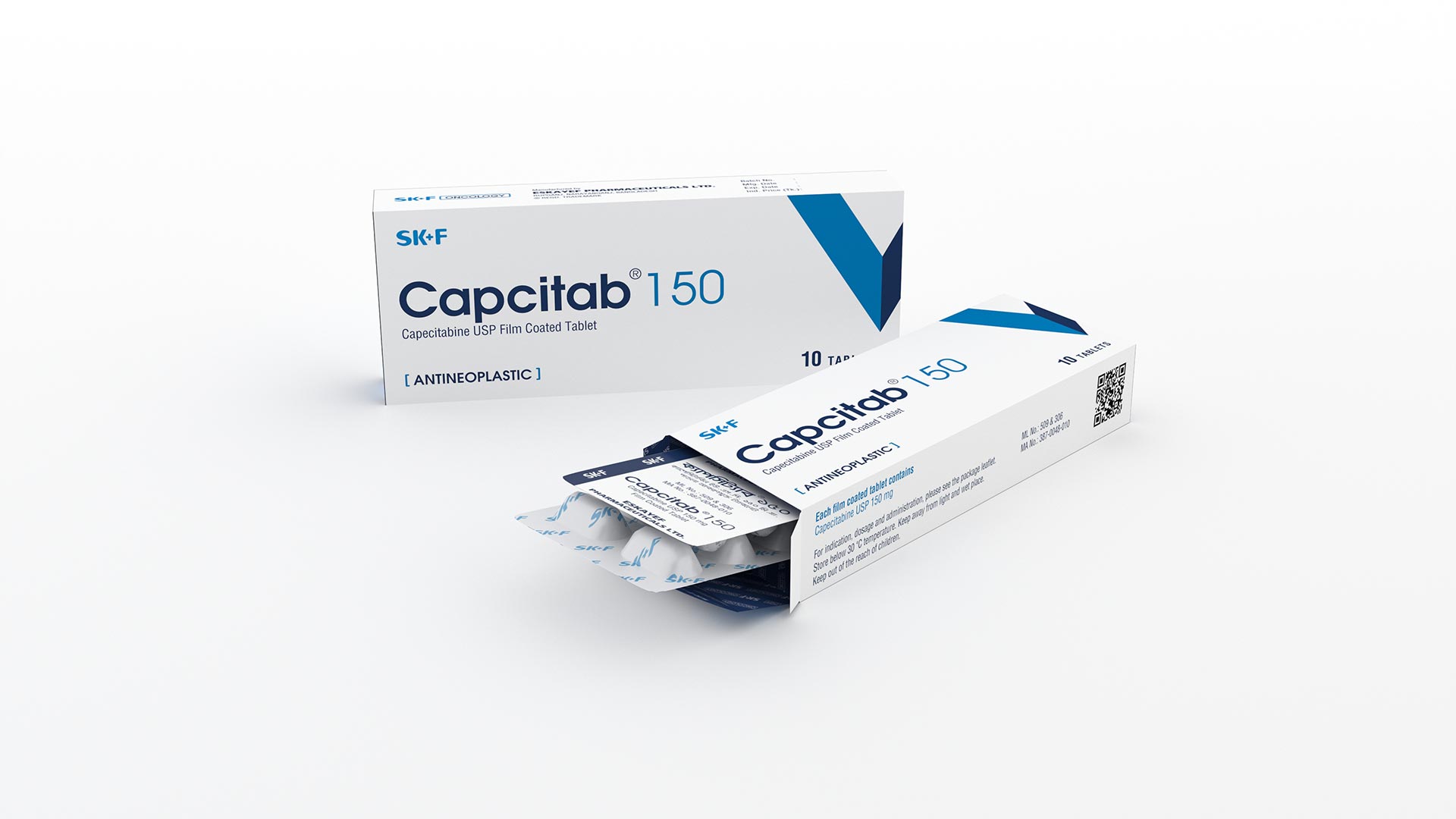
Introduction to Xeloda (Capecitabine) 150mg
Xeloda (Capecitabine) 150mg is a prescription oral chemotherapy medicine used to treat various cancers, including colorectal, breast, and gastric cancers. It belongs to the class of antimetabolite drugs, which interfere with cancer cell DNA and RNA production to slow or stop tumor growth.
Capcitab (Capecitabine) 150mg is classified under Prescription Medicines, Oncology Medicines, Oral Chemotherapy Drugs, and Anticancer Drugs. It contains Capecitabine, which is converted into 5-fluorouracil (5-FU) in the body, targeting rapidly dividing cancer cells.
The original brand, Xeloda, contains the same active ingredient and offers similar therapeutic benefits under medical supervision.
What Is Xeloda (Capecitabine) 150mg ?
Capecitabine is an oral chemotherapy medicine widely used for the treatment of colorectal, breast, and gastric cancers.
It belongs to antimetabolite drugs, which interfere with DNA and RNA synthesis, causing cancer cell death.
Generic brands like Capcitab 150mg contain the same active compound and may be prescribed based on physician recommendation.
Drug Class and Mechanism of Action
How Capecitabine Works
- Converts to 5-fluorouracil (5-FU) in cancer cells
- Inhibits DNA and RNA synthesis in tumor cells
- Promotes cancer cell death (apoptosis)
Through these mechanisms, Capecitabine slows tumor growth and improves treatment outcomes.
How Xeloda Works in the Body
Capecitabine is absorbed orally and converted to 5-FU in the body, which interferes with DNA replication in cancer cells.
Key Actions of Capecitabine
- Targets rapidly dividing cancer cells
- Inhibits DNA and RNA synthesis
- Induces apoptosis
Medical Uses of Xeloda (Capecitabine) 150mg
Capecitabine for Colorectal, Breast, and Gastric Cancers
Used alone or in combination with other chemotherapy drugs to treat various solid tumors.
Potential Benefits
- Reduces tumor size and growth
- Improves progression-free survival
- Provides convenient oral chemotherapy option
Who Can Take Capcitab 150mg?
Eligibility Criteria
Patients may be prescribed Capcitab if they:
- Have colorectal, breast, or gastric cancer
- Have adequate liver and kidney function
- Can tolerate oral chemotherapy
Who Should Avoid Xeloda (Capecitabine) 150mg
This medicine should NOT be used by:
- Patients with hypersensitivity to Capecitabine or 5-FU
- Pregnant or breastfeeding women
- Patients with severe liver or kidney impairment
Xeloda (Capecitabine) 150mg Dosage and Administration
Standard Dosage Guidelines
- Typically taken orally twice daily
- Usually given in 14-day cycles followed by 7 days off
- Swallow tablets whole with water
Dosage Adjustments
Doctors may adjust dosage based on:
- Kidney or liver function
- Side effects such as hand-foot syndrome or diarrhea
- Individual patient response
Side Effects of Capcitab 150mg
Common Side Effects
- Nausea and vomiting
- Diarrhea or constipation
- Fatigue
- Hand-foot syndrome (redness, swelling, or pain in hands/feet)
Serious Side Effects
- Severe diarrhea or dehydration
- Low blood counts
- Heart complications (rare)
- Allergic reactions
Patients should consult their doctor immediately if serious side effects occur.
Storage
Store below 25°C in a cool, dry place. Protect from moisture and direct sunlight.
Frequently Asked Questions (FAQs)
1. What is Capcitab 150mg used for?
It is used for colorectal, breast, and gastric cancers, alone or with other chemotherapy drugs.
2. Is Capecitabine chemotherapy?
Yes, it is an oral chemotherapy medicine converted into 5-FU in the body.
3. How is Capcitab taken?
Orally, usually twice daily with water during prescribed cycles.
4. Can it be used long-term?
Yes, depending on treatment response and tolerance under medical supervision.
5. Can pregnant women take Capcitab?
No, it may harm the unborn baby.
6. Is Capcitab the same as Xeloda?
Yes, both contain Capecitabine and provide similar therapeutic effects.
7. Do I need a prescription?
Yes, Capcitab is prescription-only.
Medical Disclaimer
Disclaimer:
This content is for educational purposes only and should not replace professional medical advice. Always consult a qualified healthcare provider before using any medication.


