
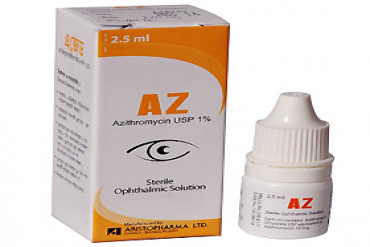
AZ Ophthalmic Solution 10 mg (Azithromycin): Complete Guide to Uses, Dosage, Benefits, Side Effects & FAQS
AZ Ophthalmic Solution 10 mg is a specialized prescription medicine categorized under Antibiotics & Infectious Disease Medicines and Topical Medicines. This guide explains what AZ Ophthalmic Solution 10 mg is, how it works, and its role in treating bacterial eye conditions in clear, easy-to-understand language.
H4: Introduction to AZ Ophthalmic Solution 10 mg
AZ Ophthalmic Solution 10 mg is the brand name for Azithromycin in a topical eye drop form, developed for treating bacterial and inflammatory eye diseases. Instead of only masking symptoms, this targeted therapy works at the site of infection to control excessive immune and bacterial responses. Think of AZ Ophthalmic Solution 10 mg as a precision controller for ocular inflammation.
H4: Drug Class and Mechanism of Action
The active ingredient, Azithromycin, is a macrolide antibiotic. It works by interrupting specific signaling pathways that bacteria use to grow and multiply. When these bacterial signals become too strong and persistent, they contribute to chronic inflammation and tissue damage. Azithromycin reduces inflammatory signaling at its source, allowing the eye to heal.
H4: Medical Uses of AZ Ophthalmic Solution 10 mg
AZ Ophthalmic Solution 10 mg is approved for conditions where targeted action is required to avoid unnecessary overactivity:
-
Bacterial Conjunctivitis: Used to treat “pink eye” caused by susceptible bacteria.
-
Blepharitis: Prescribed for certain inflammatory skin disorders of the eyelids.
-
Relief of Symptoms: Helps to relieve pain and swelling associated with ocular infections.
-
Tissue Protection: Limits immune-related tissue damage in the eye.
H4: Who Can Use AZ Ophthalmic Solution 10 mg?
Proper medical evaluation is essential before starting treatment.
-
Eligibility Criteria: You may be considered for AZ Ophthalmic Solution 10 mg if you are an adult with a diagnosed bacterial eye condition.
-
Monitoring: Patients should be able to undergo regular monitoring by an eye specialist.
-
Who Should Avoid: Individuals with active viral or fungal infections of the eye or those with a history of severe allergies to macrolide antibiotics.
H4: Dosage and Administration
For best results, follow these standard guidelines for AZ Ophthalmic Solution 10 mg:
-
Standard Dosage: Typically one drop in the affected eye(s) twice daily for the first two days, then once daily.
-
Application: Administer the drops at the same time each day for maximum effectiveness.
-
Missed Dose: Take it as soon as you remember, but skip it if it is close to your next dose. Do not apply a double dose.
H4: Benefits of AZ Ophthalmic Solution 10 mg
Key advantages of AZ Ophthalmic Solution 10 mg include:
-
Targeted Immune Modulation: Addresses inflammation precisely at the source.
-
Convenient Topical Form: No injections are required for effective treatment.
-
Faster Relief: Noticeable symptom improvement is often reported within the first few days.
-
Clinical Evidence: Backed by strong clinical evidence supporting its effectiveness.
H4: Side Effects of AZ Ophthalmic Solution 10 mg
Response time varies, but most patients experience early reduction in inflammation. Potential side effects include:
-
Common Side Effects: Local eye irritation, headache, or temporary blurred vision.
-
Serious Side Effects: Rare instances of serious infections or changes in liver enzymes (if systemic absorption occurs).
-
When to See a Doctor: Seek medical attention if you notice persistent fever, sudden swelling in the eye area, or chest pain.
H4: Frequently Asked Questions (FAQs)
-
Is AZ Ophthalmic Solution 10 mg a steroid? No. It is a macrolide antibiotic (Azithromycin), not a corticosteroid.
-
Can it be taken with food? As a topical eye drop, it is generally unaffected by food.
-
Is it safe for long-term use? Yes, but only when used under medical supervision with regular monitoring.
H4: Conclusion
AZ Ophthalmic Solution 10 mg (Azithromycin) is a targeted therapy designed to control overactive immune and bacterial responses in the eye. By addressing inflammation at its source, it helps reduce symptoms and enhance quality of life. When used responsibly under professional guidance, it is a valuable option for managing ocular conditions.
Medical Disclaimer: This content is for informational purposes only and does not replace professional medical advice, diagnosis, or treatment. Always consult a qualified healthcare provider before starting or changing any medication.


