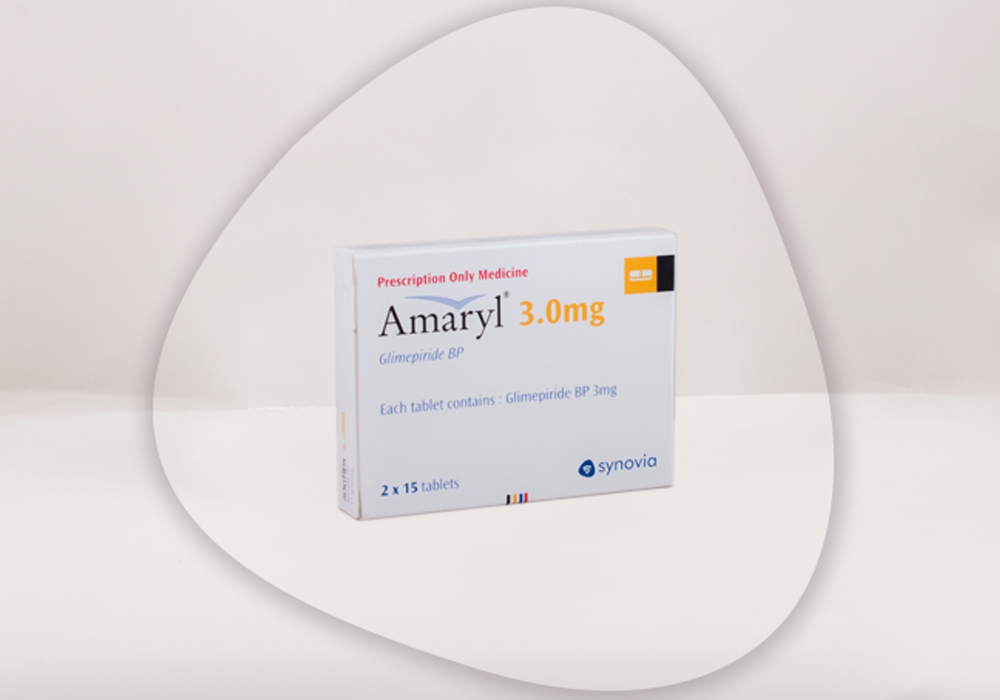
Introduction to Amaryl (Glimepiride) 2mg
Amaryl (Glimepiride) 2mg is a prescription medicine used in the treatment of type 2 diabetes mellitus. This medicine belongs to a specialized group of antidiabetic drugs that work by helping lower blood sugar levels and improving glycemic control in adults.
Amaryl (Glimepiride) 2mg is classified under Prescription Medicines, Diabetes Medicines, Antidiabetic Drugs, and Oral Blood Sugar Control Therapies. It contains Glimepiride, which works by stimulating the pancreas to release more insulin and helping the body use insulin more effectively.
In some markets, Amaryl 2mg is available as the original brand containing the active ingredient Glimepiride, offering effective blood sugar control when prescribed by a qualified healthcare professional.
What Is Amaryl (Glimepiride)?
Amaryl is the brand name for Glimepiride, an oral medication widely used for the treatment of type 2 diabetes.
Glimepiride belongs to a class of medicines known as Sulfonylureas. These medicines help regulate blood glucose levels by increasing insulin secretion from the pancreas.
Generic or local versions containing Glimepiride may also be used depending on physician recommendation and regional availability.
Drug Class and Mechanism of Action
Glimepiride is classified as an antidiabetic and insulin-secreting agent with blood sugar-lowering properties.
How Glimepiride Works
It works in several ways:
Stimulates the pancreas to release insulin
Helps lower blood glucose after meals
Supports better overall blood sugar control in type 2 diabetes
Through these mechanisms, Glimepiride helps reduce high blood sugar levels.
How Amaryl Works in the Body
In type 2 diabetes, the body may not make enough insulin or may not use insulin effectively. Amaryl helps improve this by increasing insulin release and supporting glucose control.
Key Actions of Glimepiride
Lowering blood sugar levels
Improving day-to-day glycemic control
Supporting diabetes management along with diet and exercise
Glimepiride-based treatment is commonly used as part of a broader diabetes care plan under medical supervision.
Medical Uses of Amaryl (Glimepiride) 2mg
Amaryl 2mg is widely prescribed for blood sugar management in adults with type 2 diabetes mellitus.
Amaryl for Type 2 Diabetes
For patients with type 2 diabetes, Amaryl is commonly used together with proper diet, exercise, and lifestyle changes.
Potential Benefits
Improved blood sugar control
Reduction in fasting and post-meal glucose levels
Support for long-term diabetes management
Glimepiride therapy may also be used under medical supervision when blood sugar control is not adequate with lifestyle measures alone.
Amaryl in Combination Therapy
Amaryl may also be prescribed along with other antidiabetic medicines depending on the patient’s treatment plan.
Treatment Benefits
Helps achieve better glycemic control
Supports combination diabetes treatment strategies
May reduce the need for treatment escalation in selected patients
Who Can Take Amaryl 2mg?
Because Glimepiride is a potent antidiabetic medicine, treatment should always be supervised by a qualified healthcare provider.
Eligibility Criteria
Patients may be prescribed Amaryl if they:
Are diagnosed with type 2 diabetes mellitus
Need oral medicine for blood sugar control
Can follow diet, exercise, and blood sugar monitoring advice
Local or generic Glimepiride options may also be considered depending on availability and physician decision.
Who Should Avoid Amaryl (Glimepiride) 2mg
Amaryl should NOT be used by:
Patients with type 1 diabetes mellitus
Individuals with hypersensitivity to Glimepiride or related sulfonylurea medicines
Patients with diabetic ketoacidosis unless managed urgently by a specialist
Amaryl (Glimepiride) 2mg Dosage and Administration
Standard Dosage Guidelines
Typical dosage recommendations include:
Amaryl 2mg taken once daily as prescribed by the physician
Usually taken with breakfast or the first main meal of the day
Tablets should be swallowed whole
Should be taken regularly at the same time each day
Dosage Adjustments
Doctors may adjust the dose depending on:
Blood sugar response
Risk of hypoglycemia
Kidney function, liver function, and overall clinical condition
Side Effects of Amaryl 2mg
Like all diabetes medicines, Amaryl may cause side effects.
Common Side Effects
Low blood sugar
Dizziness
Nausea
Headache
Serious Side Effects
Hypoglycemia: Sweating, shakiness, confusion, or fainting due to very low blood sugar
Allergic Reactions: Rash, itching, or swelling
Liver Problems: Rare changes in liver function or jaundice
Patients should report any unusual symptoms to their doctor immediately.
Storage:
Store below 25°C in a cool, dry place, protected from moisture and direct sunlight. Keep the tablets in their original packaging and out of reach of children.
Frequently Asked Questions (FAQs)
1. Is Amaryl (Glimepiride) 2mg used for type 2 diabetes?
Yes. Glimepiride is commonly used to help control blood sugar in adults with type 2 diabetes.
2. Why should Glimepiride be taken with food?
Taking it with food helps reduce the risk of low blood sugar and supports proper glucose control.
3. Is Amaryl (Glimepiride) 2mg insulin?
No. Amaryl is not insulin. It is an oral antidiabetic medicine that helps the body release more insulin naturally.
4. Can patients stop taking Glimepiride when blood sugar improves?
No. Patients should continue treatment as prescribed unless the doctor advises otherwise.
5. Can pregnant women take Amaryl 2mg?
Amaryl 2mg should only be used during pregnancy if prescribed by a qualified healthcare professional after evaluating the benefits and risks.
6. Is Amaryl 2mg the same as Glimepiride?
Amaryl 2mg contains Glimepiride as its active ingredient. Generic versions may also be available in some markets.
7. Do I need a prescription to buy Amaryl (Glimepiride) 2mg?
Yes. Amaryl 2mg is a prescription-only medicine and should only be used under the supervision of a qualified healthcare professional.
Medical Disclaimer
Disclaimer:
The information provided on this page is for educational and informational purposes only and should not be considered medical advice. Amaryl (Glimepiride) is a prescription-only medication and must be used strictly under the supervision of a qualified healthcare professional. Always consult your physician before starting, stopping, or changing any medication.