Introduction to Calquence (Acalabrutinib) 100mg
Calquence (Acalabrutinib) 100mg is a prescription medicine used for the treatment of certain blood cancers, including chronic lymphocytic leukemia (CLL) and mantle cell lymphoma (MCL). It belongs to a class of drugs known as Bruton’s tyrosine kinase (BTK) inhibitors, which work by blocking cancer cell growth and supporting the immune system.
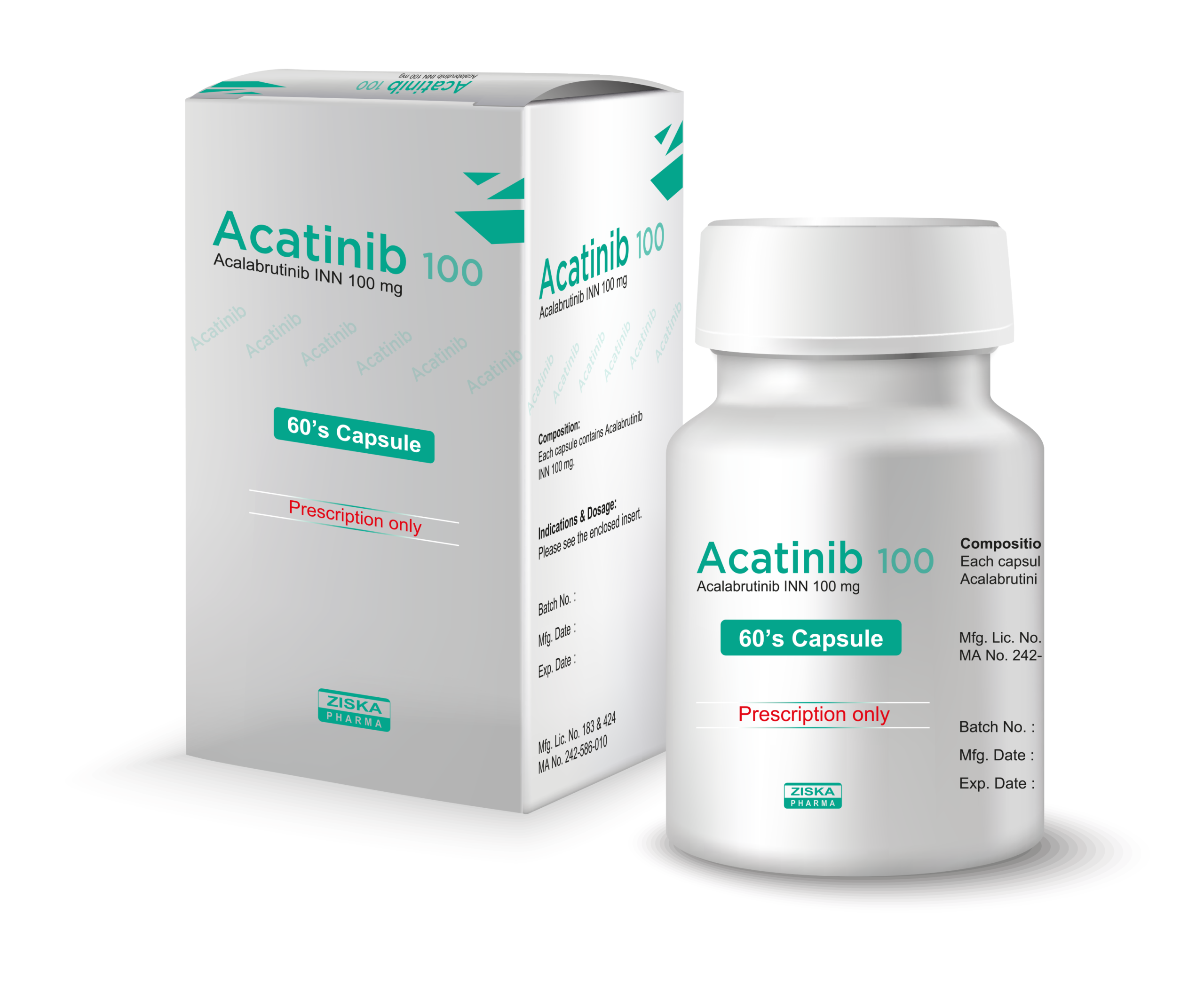
ACATINIB 100mg is the generic/local brand containing the same active ingredient Acalabrutinib, providing similar therapeutic effects when prescribed by a qualified healthcare professional.
Calquence (Acalabrutinib) 100mg is classified under Prescription Medicines, Oncology Medicines, Anticancer Drugs, and Oral Cancer Therapies.
What Is Calquence (Acalabrutinib) 100mg?
Calquence is the original brand name for Acalabrutinib, an oral medication widely used to treat hematologic (blood) cancers.
Acalabrutinib belongs to the BTK inhibitor class, which targets specific enzymes to slow cancer progression and regulate immune responses. Generic versions such as ACATINIB 100mg contain the same active compound and may be used depending on physician recommendation and availability.
Drug Class and Mechanism of Action
How Acalabrutinib Works
Acalabrutinib works by:
- Blocking Bruton’s tyrosine kinase (BTK) to stop cancer cell signaling
- Preventing proliferation of abnormal blood cells
- Supporting the immune system to better attack cancer cells
Through these mechanisms, Acalabrutinib helps slow the progression of certain blood cancers.
How Calquence Works in the Body
Key Actions of Acalabrutinib
- Inhibits BTK enzyme to stop cancer cell growth
- Enhances immune system recognition of malignant cells
- Reduces cancer cell survival and spread
Generic versions like ACATINIB 100mg deliver the same active compound, allowing similar immune-targeted cancer therapy.
Medical Uses of Calquence (Acalabrutinib) 100mg
Calquence for Chronic Lymphocytic Leukemia (CLL)
Used in adults with CLL, including previously treated patients or those with high-risk cytogenetic features.
Potential Benefits
- Slows disease progression
- Reduces abnormal lymphocyte count
- Improves quality of life and blood cell function
Calquence for Mantle Cell Lymphoma (MCL)
Prescribed for relapsed or refractory MCL patients who have received at least one prior therapy.
Treatment Benefits
- Reduces tumor growth
- Supports immune system function
- Prolongs progression-free survival
Who Can Take ACATINIB 100mg?
Eligibility Criteria
Patients may be prescribed Calquence if they:
- Have CLL, MCL, or other approved blood cancers
- Have been evaluated for heart, liver, or kidney conditions
- Can follow monitoring and dosage instructions strictly
Generic options such as ACATINIB 100mg may be considered based on availability and physician decision.
Who Should Avoid Calquence (Acalabrutinib) 100mg?
Calquence should NOT be used by:
- Pregnant or breastfeeding women
- Patients with hypersensitivity to Acalabrutinib
- Individuals with severe heart, liver, or kidney problems unless closely monitored
Calquence (Acalabrutinib) 100mg Dosage and Administration
Standard Dosage Guidelines
- Typical dose: 100mg twice daily
- Taken orally with water, with or without food
- Swallow tablets whole
Dosage Adjustments
Doctors may adjust dose based on:
- Liver or kidney function
- Blood test results
- Individual treatment response
Side Effects of Calquence 100mg
Common Side Effects
- Headache and fatigue
- Diarrhea or nausea
- Bruising or bleeding tendencies
- Cough or upper respiratory infections
Serious Side Effects
- Heart rhythm problems
- Severe bleeding
- Infections like pneumonia or sepsis
- Cytopenias (low blood cell counts)
Patients should report unusual symptoms to their doctor immediately.
Storage: Store below 25°C in a cool, dry place, protected from moisture and sunlight. Keep out of reach of children.
Frequently Asked Questions (FAQs)
1. Is Calquence (Acalabrutinib) 100mg safe for long-term use?
Long-term use may be recommended under strict medical supervision with routine blood and organ function monitoring.
2. Can Calquence interact with other medications?
Yes, certain anticoagulants, antifungals, and heart medications may interact; always inform your doctor.
3. Is Calquence chemotherapy?
No, it is a targeted BTK inhibitor, an immunomodulatory therapy that specifically blocks cancer cell signaling.
4. Can pregnant women take ACATINIB 100mg?
No. ACATINIB is contraindicated in pregnancy due to risk of birth defects.
5. Is ACATINIB 100mg the same as Calquence?
Yes. ACATINIB contains the same active ingredient Acalabrutinib as Calquence.
6. Do I need a prescription to buy ACATINIB?
Yes. ACATINIB 100mg is a prescription-only medicine and should be used under a qualified healthcare professional.
Medical Disclaimer
The information is for educational purposes only and does not replace professional medical advice. Calquence (Acalabrutinib) is prescription-only. Consult your doctor before starting, stopping, or changing any treatment.