
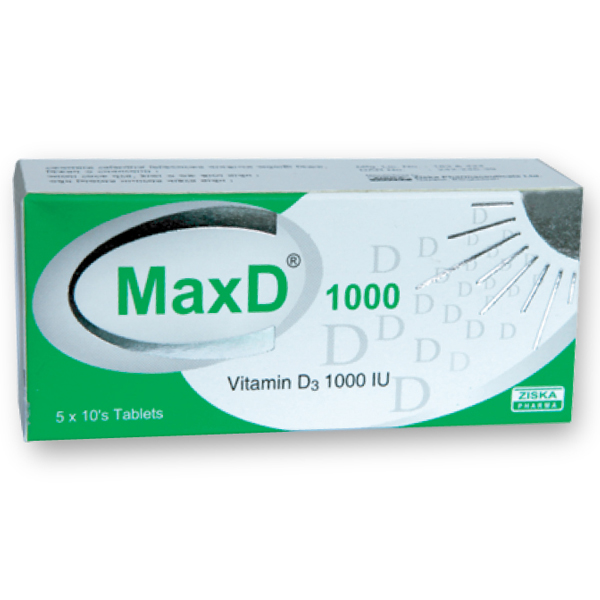
Introduction to Caltrate D (Vitamin D3) 1000IU
Caltrate D (Vitamin D3) 1000IU is a dietary supplement used to prevent and treat vitamin D deficiency. It plays a vital role in maintaining healthy bones, teeth, and immune function.
MaxD 1000IU is classified under Supplements, Vitamins, Bone Health Products, and Nutritional Support. It contains Cholecalciferol (Vitamin D3), which helps the body absorb calcium effectively.
Generic versions such as MaxD 1000IU provide similar health benefits when used as directed.
What Is Caltrate D (Vitamin D3) 1000IU?
Caltrate D is a well-known brand containing Vitamin D3, essential for bone strength and calcium metabolism.
Vitamin D3 (Cholecalciferol) is a fat-soluble vitamin that helps regulate calcium and phosphate levels in the body.
Generic versions such as MaxD 1000IU may be used depending on availability and recommendation.
Drug Class and Mechanism of Action
Vitamin D3 is classified as a fat-soluble vitamin essential for bone metabolism and immune support.
How Vitamin D3 Works
- Enhances calcium absorption from the intestine
- Maintains proper bone mineralization
- Supports immune system function
These actions help prevent bone disorders and deficiency-related conditions.
How Caltrate D Works in the Body
Vitamin D3 helps regulate calcium and phosphate levels, ensuring proper bone formation and overall health.
Key Actions
- Strengthens bones and teeth
- Supports immune health
- Helps prevent vitamin D deficiency
Generic versions such as MaxD 1000IU provide similar benefits when used appropriately.
Medical Uses of Caltrate D (Vitamin D3) 1000IU
Vitamin D Deficiency
Used to prevent and treat low levels of vitamin D.
Potential Benefits
- Restores normal vitamin D levels
- Improves calcium absorption
- Prevents bone weakness
Generic alternatives like MaxD 1000IU may also be used as recommended.
Bone Health Support
Used to maintain strong bones and prevent osteoporosis.
Treatment Benefits
- Enhances bone strength
- Reduces risk of fractures
- Supports overall skeletal health
Who Can Take MaxD 1000IU?
Eligibility Criteria
Individuals may use this supplement if they:
- Have vitamin D deficiency
- Need bone health support
- Have limited sun exposure
Who Should Avoid Caltrate D (Vitamin D3) 1000IU
This supplement should NOT be used by:
- Individuals with hypercalcemia (high calcium levels)
- Patients with vitamin D toxicity
- Those with severe kidney disease without medical advice
Caltrate D (Vitamin D3) 1000IU Dosage and Administration
Standard Dosage Guidelines
- MaxD 1000IU taken once daily
- Can be taken with or after food
- Follow doctor or label instructions
Dosage Adjustments
Adjustments may depend on:
- Vitamin D levels
- Age and health condition
- Medical advice
Side Effects of MaxD 1000IU
Common Side Effects
- Nausea
- Constipation
- Mild stomach upset
Serious Side Effects
- High calcium levels
- Kidney issues (rare)
- Weakness or confusion
Consult a doctor if serious symptoms occur.
Storage:
Store below 30°C in a dry place. Protect from light and moisture.
Frequently Asked Questions (FAQs)
1. Is Caltrate D safe for daily use?
Yes, it is commonly taken daily as recommended.
2. Can MaxD 1000IU improve bone health?
Yes, it supports calcium absorption and bone strength.
3. Can I take Vitamin D3 without a prescription?
Yes, but medical advice is recommended for proper dosage.
4. How long should I take MaxD 1000IU?
Duration depends on your vitamin D levels and doctor’s advice.
5. Is MaxD 1000IU the same as Caltrate D?
Yes, both contain Vitamin D3.
6. Can I take MaxD with calcium supplements?
Yes, they are often taken together for bone health.
Medical Disclaimer
Disclaimer:
The information provided is for educational purposes only. Caltrate D (Vitamin D3) 1000IU should be used as directed by a healthcare professional.