Fosfa 2gm (Sevelamer Carbonate): Complete Guide to Uses, Dosage, Benefits, Side Effects & FAQs
Introduction to Fosfa 2gm
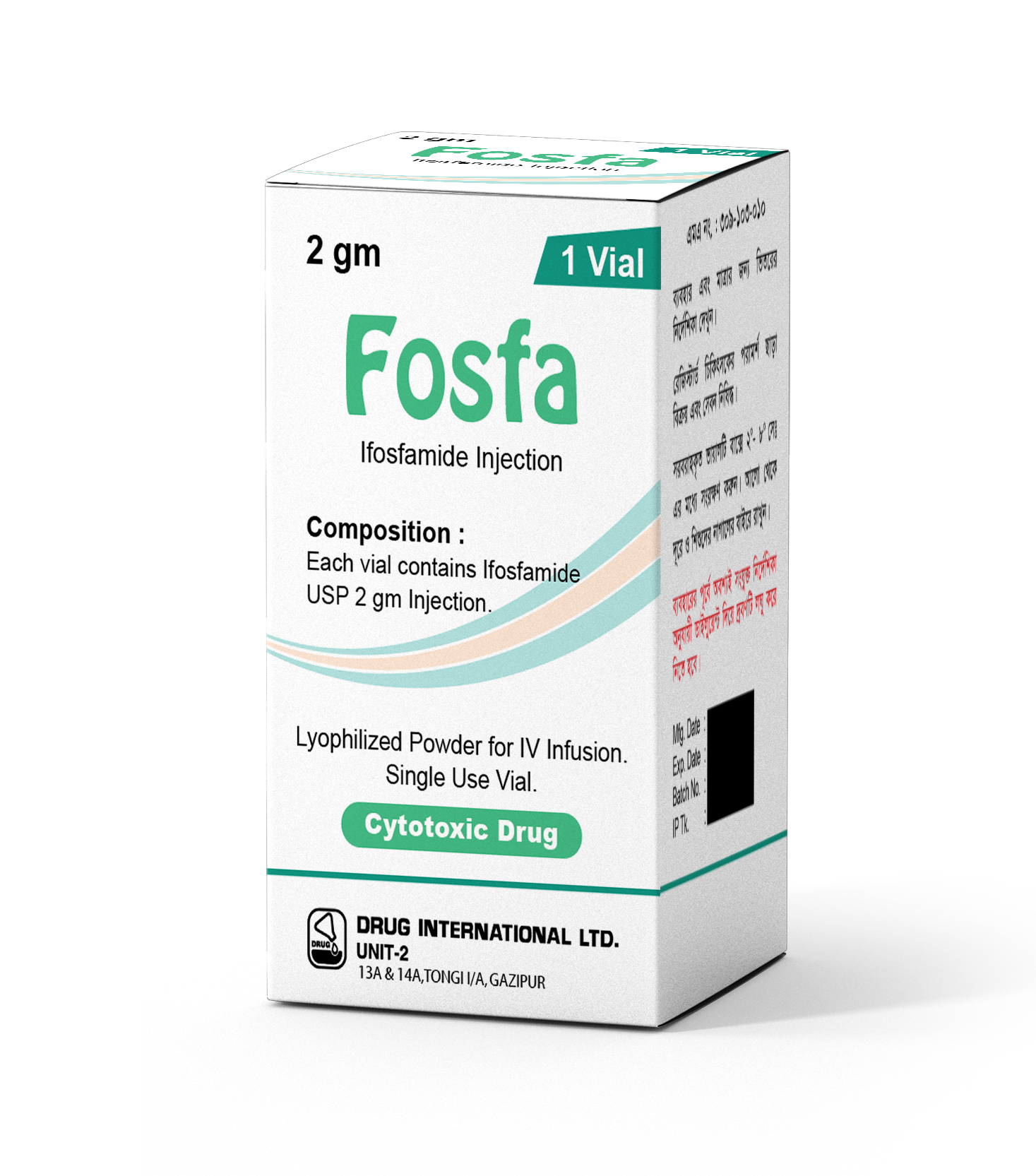
Fosfa 2gm is a specialized prescription medicine used primarily to control phosphorus levels in people with chronic kidney disease (CKD). Containing the active ingredient Sevelamer Carbonate, Fosfa 2gm belongs to the Prescription Medicines, Urology & Men’s Health Medicines, and Oral Medicines categories. Instead of only masking symptoms, Fosfa 2gm works at the digestive level to bind with phosphorus from food so it can be removed from the body. Think of Fosfa 2gm as a precision controller for mineral balance. Rather than being absorbed into the bloodstream, Sevelamer Carbonate targets specific dietary pathways in the gut to prevent phosphate-related tissue damage. This guide explains what Fosfa 2gm is, how it works, and its safety information in clear, easy-to-understand language.
What Is Fosfa 2gm (Sevelamer Carbonate)?
Fosfa 2gm is the brand name for Sevelamer Carbonate, an oral prescription medication developed for metabolic and renal health. It belongs to a group of medicines called phosphate binders, designed to control excessive mineral accumulation in the body when the kidneys cannot do so effectively.
Drug Class and Mechanism of Action
Fosfa 2gm is classified as a non-calcium, non-metal phosphate binder. Phosphorus is a mineral found in many foods, and in patients with kidney disease, it can build up to dangerous levels. Sevelamer Carbonate works by binding to phosphorus in the gastrointestinal tract. By capturing these minerals before they enter the blood, Fosfa 2gm reduces high phosphate levels at their source.
How Fosfa 2gm Works in the Body
The body communicates through chemical and mineral balances. In kidney failure, the balance of phosphorus and calcium is disrupted. Fosfa 2gm interrupts the absorption of dietary phosphorus, helping to:
-
Reduce serum phosphorus levels in the blood.
-
Relieve the burden on the cardiovascular system caused by mineral calcification.
-
Limit bone-related tissue damage by maintaining a better calcium-phosphorus ratio.
-
This targeted action allows the body to manage mineral waste while avoiding unnecessary systemic absorption of the drug itself.
Medical Uses of Fosfa 2gm
Fosfa 2gm is approved for conditions involving hyperphosphatemia (high phosphorus) in patients undergoing dialysis.
Fosfa 2gm for Chronic Kidney Disease (CKD)
Fosfa 2gm is widely prescribed for patients on hemodialysis or peritoneal dialysis. Benefits for these patients include:
-
Prevention of “hardening of the arteries” (calcification).
-
Improved long-term heart and vascular health.
-
Stabilization of parathyroid hormone levels. Many patients report better overall metabolic stability within the first few weeks of starting Sevelamer Carbonate.
Fosfa 2gm for Mineral and Bone Disorder
Fosfa 2gm is also used to prevent complications of CKD-related bone disease. Clinical application of Sevelamer Carbonate can:
-
Promote healthier bone density by balancing minerals.
-
Improve the efficiency of other renal treatments.
-
Enhance the patient’s overall quality of life by preventing bone pain and fractures.
Who Can Take Fosfa 2gm?
Fosfa 2gm is a specific therapy for renal patients, and a proper medical evaluation is essential.
Eligibility Criteria
You may be considered for Fosfa 2gm if you:
-
Are an adult with chronic kidney disease on dialysis.
-
Have high serum phosphorus levels despite a low-phosphate diet.
-
Can follow a strict medication schedule tied to your meal times.
Who Should Avoid Fosfa 2gm
Sevelamer Carbonate may not be appropriate for individuals who:
-
Have a bowel obstruction or severe constipation.
-
Have a history of hypersensitivity to Sevelamer Carbonate.
-
Have low levels of phosphorus in the blood (hypophosphatemia).
Fosfa 2gm Dosage and Administration
Standard Dosage Guidelines
The typical recommended usage for Fosfa 2gm is:
-
The dose is individualized based on blood phosphorus levels.
-
Fosfa 2gm must be taken with meals to bind with the phosphorus in your food.
-
Tablets should be swallowed whole; do not crush or chew them as this affects how Sevelamer Carbonate works.
Dosage Adjustments
Your doctor may adjust your dose of Fosfa 2gm if:
-
Your blood phosphorus levels remain too high or become too low.
-
You are taking other medications (like ciprofloxacin or levothyroxine) that interact with Sevelamer Carbonate.
Benefits of Fosfa 2gm
Key advantages of Fosfa 2gm include:
-
Targeted modulation of dietary mineral absorption.
-
No risk of calcium or metal accumulation (unlike older binders).
-
Convenient oral dosing that works directly in the gut.
-
Strong clinical evidence for reducing mortality in dialysis patients.
Side Effects of Fosfa 2gm
Common Side Effects
-
Nausea or vomiting.
-
Diarrhea or constipation.
-
Stomach pain or gas.
-
Heartburn.
Serious Side Effects
-
Severe constipation or fecal impaction.
-
Difficulty swallowing.
-
Intestinal perforation (rare).
-
Significant changes in blood mineral levels (monitored by your doctor).
Frequently Asked Questions (FAQs)
-
Is Fosfa 2gm safe for long-term use? Yes, it is often a long-term requirement for dialysis patients under medical supervision.
-
Can Sevelamer Carbonate cause weight gain? Weight gain is not common, though individual digestive responses to Fosfa 2gm may vary.
-
Is Fosfa 2gm a steroid? No. Fosfa 2gm is a phosphate binder polymer, not a corticosteroid.
-
Can Fosfa 2gm be taken without food? No. To be effective, Sevelamer Carbonate must be taken with meals to bind the phosphorus in your food.
Medical Disclaimer: This content is for informational purposes only and does not replace professional medical advice, diagnosis, or treatment. Always consult a qualified healthcare provider before starting or changing any medication.