
Wonica Cream (Eflornithine Hydrochloride): Complete Guide to Uses, Dosage, Benefits, Side Effects & FAQs
Introduction to Wonica Cream
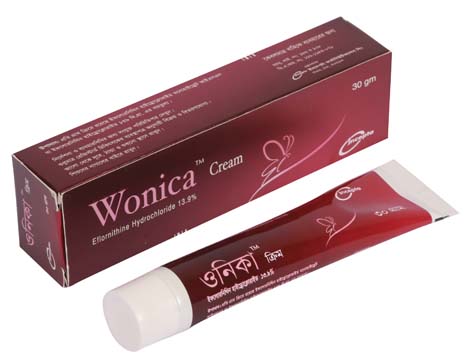
Wonica Cream is a specialized prescription medicine used for the reduction of unwanted facial hair in women. Falling under the Dermatology & Skin Medicines, Topical Medicines, and Prescription Medicines categories, it offers a non-hormonal, dermatological approach to managing facial hirsutism. Instead of acting as a traditional hair remover or depilatory, Wonica Cream works at the base of the hair follicle to slow down the biological process of hair production.
Think of Wonica Cream as a growth decelerator for facial hair. Rather than pulling or dissolving hair, the active ingredient Eflornithine Hydrochloride targets the specific enzymes responsible for the speed of hair growth. This guide explains what Wonica Cream is, how Eflornithine Hydrochloride works, application techniques, and what results to expect during treatment.
Drug Class and Mechanism of Action
Wonica Cream is classified as a topical skin treatment and an ornithine decarboxylase (ODC) inhibitor. ODC is an essential enzyme located in the hair follicles that stimulates cell division and promotes the rapid growth of hair shafts.
Eflornithine Hydrochloride works by irreversibly blocking the ODC enzyme. By inhibiting this enzymatic activity, Wonica Cream effectively slows down the rate of hair growth, making the hair finer, lighter, and much slower to reappear after removal.
How Wonica Cream Works in the Body
The skin’s hair follicles require specific chemical catalysts to produce hair. In cases of unwanted facial hair, these follicles are often overstimulated. Wonica Cream manages this process by:
-
Interfering with the cell metabolism within the hair follicle.
-
Reducing the rate at which new hair is formed.
-
Improving the overall appearance of the skin by making hair less noticeable.
By using Eflornithine Hydrochloride consistently, the need for frequent mechanical hair removal (like plucking or shaving) is significantly reduced over time.
Medical Uses of Wonica Cream
Wonica Cream is specifically indicated for the management of facial hair concerns in adult women.
Wonica Cream for Facial Hirsutism
Wonica Cream is primarily used to treat unwanted hair on the face and under the chin. Benefits for users include:
-
Visible reduction in the density and thickness of facial hair.
-
Longer intervals between hair removal sessions.
-
Improved self-confidence and skin texture.
Use with Other Hair Removal Methods
It is important to remember that Wonica Cream is not a depilatory. You should continue your usual hair removal routines (shaving, waxing, or plucking) while using Eflornithine Hydrochloride, as the cream works on the regrowth rather than removing existing hair.
Who Can Use Wonica Cream?
Wonica Cream is for external use only and requires a dermatological assessment to ensure it is appropriate for your skin type.
Eligibility Criteria
You may be considered for Wonica Cream if you:
-
Are an adult female experiencing excessive or unwanted facial hair.
-
Are looking for a topical treatment to complement your current hair removal routine.
Who Should Avoid Wonica Cream
Wonica Cream may not be appropriate for individuals who:
-
Are under the age of 12 (safety not established).
-
Have a known hypersensitivity to Eflornithine Hydrochloride or any cream components.
-
Are pregnant or breastfeeding (consult a doctor, as Eflornithine Hydrochloride should be used only if clearly needed).
Wonica Cream Dosage and Administration
Standard Application Guidelines
To achieve the best results with Wonica Cream, follow these steps:
-
Apply a thin layer of Wonica Cream to the affected areas of the face and chin twice daily, at least 8 hours apart.
-
Clean and dry the skin before application.
-
Rub the cream in thoroughly until it is no longer visible.
-
Do not wash the treated area for at least 4 hours after application of Eflornithine Hydrochloride.
Administration Tips
-
Wait at least 5 minutes after hair removal (shaving or plucking) before applying Wonica Cream to avoid stinging.
-
Cosmetics or sunscreens can be applied over the cream once it has dried completely.
Side Effects of Wonica Cream
Common Side Effects
-
Temporary redness or stinging of the skin.
-
Skin dryness or itching.
-
Small bumps or acne-like breakouts (folliculitis).
Serious Side Effects
-
Severe skin rash or hives.
-
Significant skin irritation or swelling.
-
Tingling or burning sensations that do not go away.
Frequently Asked Questions (FAQs)
1. Is Wonica Cream safe for long-term use? Yes, Eflornithine Hydrochloride is designed for long-term management. However, if you stop using the cream, hair growth will return to pre-treatment levels within about 8 weeks.
2. How long does it take for Wonica Cream to work? Improvement is usually seen within 4 to 8 weeks of consistent use. Some users may take longer to see the full benefits of Wonica Cream.
3. Is Wonica Cream a bleach or a hair remover? No. Wonica Cream is a medicated treatment that slows growth. It does not change the color of the hair or remove it instantly like a depilatory cream.
4. Can men use Wonica Cream for beard growth? Eflornithine Hydrochloride is specifically studied and indicated for use in women. Men should consult a physician before attempting to use it for facial hair management.


