
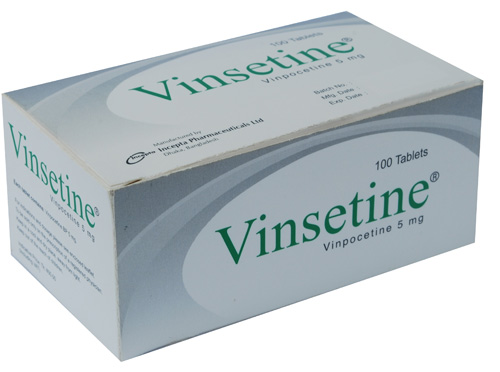
Vinsetine 5 mg (Vinblastine Sulfate): Complete Guide to Uses, Dosage, Benefits, Side Effects & FAQs
Introduction to Vinsetine 5 mg
Vinsetine 5 mg is a potent chemotherapy prescription medicine used to treat various types of cancers, including Hodgkin’s lymphoma, non-Hodgkin’s lymphoma, and certain types of breast and germ cell tumors. Categorized under Oncology & Cancer Medicines, Anticancer Medicines, and Injectable Medicines, it is a cornerstone of many multi-drug chemotherapy regimens. Instead of a generalized approach, Vinsetine 5 mg targets the structural components of cancer cells to prevent them from multiplying.
Think of Vinsetine 5 mg as a biological “anchor” that halts the movement within a cancer cell. Rather than attacking the cell’s DNA directly like some other drugs, the active ingredient Vinblastine Sulfate targets the cellular skeleton to stop the division process. This guide provides a detailed overview of Vinsetine 5 mg, how Vinblastine Sulfate works, its clinical benefits, and vital safety information.
Drug Class and Mechanism of Action
Vinsetine 5 mg belongs to a class of drugs known as Vinca alkaloids, which are derived from the Madagascar periwinkle plant. These agents are specifically referred to as microtubule inhibitors.
Vinblastine Sulfate works by binding to tubulin, a protein essential for the formation of microtubules. Microtubules act as the “scaffolding” during cell division (mitosis). By disrupting this scaffolding, Vinsetine 5 mg causes “mitotic arrest,” meaning the cancer cells cannot split into two new cells and eventually die. Because cancer cells divide much more rapidly than normal cells, they are more susceptible to the effects of Vinblastine Sulfate.
How Vinsetine 5 mg Works in the Body
The progression of oncology-related diseases depends on the rapid proliferation of malignant cells. Vinsetine 5 mg manages this growth by:
-
Preventing the formation of the mitotic spindle during cell division.
-
Inducing programmed cell death (apoptosis) in rapidly dividing cancer tissues.
-
Reducing the overall tumor mass when used in combination with other therapeutic agents.
The consistent and timed administration of Vinblastine Sulfate ensures that the maximum number of cancer cells are caught during their vulnerable division phase.
Medical Uses of Vinsetine 5 mg
Vinsetine 5 mg is indicated for a broad spectrum of malignant neoplastic diseases.
Vinsetine 5 mg for Lymphomas
Vinsetine 5 mg is frequently used as a primary component in the treatment of Hodgkin’s Disease (Stages III and IV) and lymphocytic lymphoma. Benefits for patients include:
-
High rates of clinical remission when used in combination protocols (like ABVD).
-
Control of systemic symptoms associated with advanced lymphomas.
-
Prevention of cancer spread to other vital organs.
Vinsetine 5 mg for Other Malignancies
Vinsetine 5 mg is also effective against other rare and aggressive cancers. Clinical studies show that Vinblastine Sulfate can:
-
Effectively treat advanced testicular germ cell cancers.
-
Manage Letterer-Siwe disease (histiocytosis X).
-
Provide a therapeutic option for patients with resistant Kaposi’s sarcoma.
Who Can Take Vinsetine 5 mg?
Vinsetine 5 mg is a highly specialized cytotoxic agent and must only be administered by trained oncology professionals.
Eligibility Criteria
You may be considered for Vinsetine 5 mg if you:
-
Have a confirmed diagnosis of a malignancy responsive to vinca alkaloids.
-
Have adequate bone marrow function (normal white blood cell counts).
-
Are under the constant supervision of an oncologist.
Who Should Avoid Vinsetine 5 mg
Vinsetine 5 mg is contraindicated and must be avoided if you have:
-
Significant granulocytopenia (very low white blood cell count).
-
An active, severe bacterial infection.
-
A known hypersensitivity to Vinblastine Sulfate or other vinca alkaloids.
-
Warning: It must never be administered intrathecally (into the spine), as this is fatal.
Vinsetine 5 mg Dosage and Administration
Standard Dosage Guidelines
The dosage of Vinsetine 5 mg is strictly individualized based on body surface area (BSA) and blood count recovery:
-
It is administered exclusively via the intravenous (IV) route.
-
Generally given once every 7 to 14 days to allow the bone marrow to recover.
-
The dose of Vinblastine Sulfate is carefully titrated by the medical team to reach maximum effectiveness with manageable toxicity.
Administration Safety
-
Vinsetine 5 mg is a “vesicant,” meaning it can cause severe tissue damage if it leaks out of the vein.
-
Medical staff must ensure the IV line is secure before and during the injection of Vinblastine Sulfate.
Side Effects of Vinsetine 5 mg
Common Side Effects
-
Leukopenia (low white blood cell count), which increases infection risk.
-
Hair loss (alopecia).
-
Nausea, vomiting, or constipation.
-
General weakness and malaise.
Serious Side Effects
-
Severe bone marrow suppression.
-
Neurological issues (numbness, tingling, or nerve pain).
-
Jaw pain or severe abdominal pain.
Frequently Asked Questions (FAQs)
1. Is Vinsetine 5 mg effective for all types of cancer? No. Vinsetine 5 mg is specifically effective against certain lymphomas and solid tumors. Your oncologist will determine if your specific cancer type is responsive to Vinblastine Sulfate.
2. Does Vinsetine 5 mg cause permanent hair loss? No. While hair loss is common during treatment with Vinblastine Sulfate, the hair typically begins to regrow after the chemotherapy cycles are completed.
3. Can Vinsetine 5 mg be taken as a pill? No. Vinsetine 5 mg must be administered as an injection or infusion by a healthcare professional to ensure it enters the bloodstream correctly and safely.
4. How long does a treatment cycle with Vinsetine 5 mg last? The duration depends on the specific cancer protocol, but it often involves weekly doses of Vinblastine Sulfate for several months.
5. What is the most important precaution with Vinsetine 5 mg? The most critical precaution is ensuring it is only given intravenously. Vinblastine Sulfate is fatal if given by any other route, particularly the spinal route.


