Tylorest (Paracetamol & Chlorpheniramine Maleate): Complete Guide to Uses, Dosage, Benefits, Side Effects & FAQs
Introduction to Tylorest
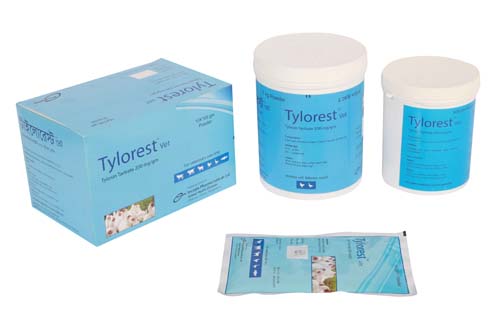
Tylorest is a combined prescription medicine specifically formulated to provide relief from the symptoms of the common cold, influenza, and upper respiratory allergies. Falling under the Respiratory & Allergy Medicines, Generic Medicines, and Prescription Medicines categories, it offers a dual-action approach to patient comfort. Instead of addressing only one symptom, Tylorest targets both pain and allergic reactions simultaneously.
Think of Tylorest as a multi-symptom recovery aid. Rather than taking multiple separate pills, the combination of Paracetamol & Chlorpheniramine Maleate works to lower fever and stop runny noses or sneezing in one go. This guide explains what Tylorest is, how Paracetamol & Chlorpheniramine Maleate works, who can take it, and how to use it safely for rapid relief.
Drug Class and Mechanism of Action
Tylorest is a combination of an analgesic/antipyretic and a first-generation antihistamine. These two components work through different biological pathways to provide comprehensive relief.
Paracetamol & Chlorpheniramine Maleate work together by targeting the central nervous system and the body’s histamine receptors. Paracetamol acts primarily in the brain to block pain signals and regulate the heat-control center, while Chlorpheniramine Maleate blocks the effects of histamine, a natural substance that causes watery eyes, itching, and runny nose during an allergic response.
How Tylorest Works in the Body
When the body is under attack by a virus or allergen, it produces chemicals that cause inflammation and discomfort. Tylorest manages these responses by:
-
Inhibiting prostaglandin synthesis to reduce pain and fever.
-
Competing with histamine for H1-receptor sites on effector cells.
-
Drying up nasal secretions to clear congestion and stop sneezing.
Through the effective action of Paracetamol & Chlorpheniramine Maleate, the physical burden of a cold or allergy is significantly reduced, allowing the patient to rest and recover.
Medical Uses of Tylorest
Tylorest is indicated for the short-term symptomatic relief of minor aches, pains, and respiratory allergies.
Tylorest for Common Cold and Flu
Tylorest is a primary choice for managing the “heavy” feeling of a cold. Benefits for patients include:
-
Effective reduction of high body temperature (fever).
-
Relief from headaches, muscle aches, and sore throat.
-
Reduction of nasal discharge and sinus pressure.
Tylorest for Allergic Rhinitis
Tylorest is also used to treat hay fever and other upper respiratory allergies. Clinical use of Paracetamol & Chlorpheniramine Maleate helps:
-
Stop persistent sneezing and itchy nose.
-
Relieve watery and itchy eyes.
-
Provide a better night’s sleep by reducing allergy-induced restlessness.
Who Can Take Tylorest?
Tylorest is widely used, but because it contains an antihistamine that can cause drowsiness, certain precautions are necessary.
Eligibility Criteria
You may be considered for Tylorest if you:
-
Are an adult or child (above a specific age/weight as directed) with cold or allergy symptoms.
-
Do not have a history of severe liver or kidney disease.
Who Should Avoid Tylorest
Tylorest may not be appropriate for individuals who:
-
Have severe hepatic (liver) impairment (due to the Paracetamol content).
-
Suffer from narrow-angle glaucoma or urinary retention (due to Chlorpheniramine Maleate).
-
Are taking other medications containing paracetamol (to avoid overdose).
-
Have a known hypersensitivity to Paracetamol & Chlorpheniramine Maleate.
Tylorest Dosage and Administration
Standard Dosage Guidelines
The typical recommended application for Tylorest is:
-
One tablet taken every 4 to 6 hours as needed.
-
Do not exceed the maximum daily dose specified on the packaging (usually 4 doses in 24 hours).
-
Tylorest can be taken with or without food, though taking it with water is recommended.
Administration Tips
-
Avoid alcohol while taking Tylorest, as it increases the risk of liver damage and extreme drowsiness.
-
Do not “double up” on doses if you miss one; simply wait for the next scheduled time.
Side Effects of Tylorest
Common Side Effects
-
Drowsiness or sleepiness (very common).
-
Dry mouth, nose, or throat.
-
Blurred vision or dizziness.
-
Mild stomach upset.
Serious Side Effects
-
Severe skin reactions (redness, blisters, or rash).
-
Difficulty urinating.
-
Signs of liver issues (yellowing of eyes/skin, dark urine).
Frequently Asked Questions (FAQs)
1. Does Tylorest make you sleepy? Yes. The Chlorpheniramine Maleate in Tylorest is a sedating antihistamine. It is often preferred for nighttime use to help patients sleep through cold symptoms.
2. Can I take Tylorest for a cough? Tylorest helps with the “post-nasal drip” that causes a tickly cough, but it does not contain a specific cough suppressant (antitussive).
3. Is Tylorest safe to take with other pain relievers? You must check if your other medicines contain paracetamol. Taking Tylorest with other paracetamol-containing products can lead to a dangerous overdose.
4. How long can I take Tylorest? Tylorest is intended for short-term use (usually no more than 3–5 days). If your fever lasts more than 3 days or pain lasts more than 7 days, consult a doctor.