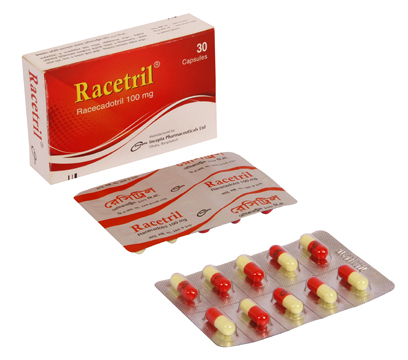
Racetril 100mg (Racecadotril): Complete Guide to Uses, Dosage, Benefits, Side Effects & FAQs
Racetril 100mg, containing the active generic ingredient Racecadotril, belongs to our Prescription Medicines, Gastroenterology Medicines, and Generic Medicines categories. This medication is a specialized anti-diarrheal agent designed to provide rapid relief from acute diarrhea by reducing intestinal secretions.
Introduction to Racetril 100mg
Racetril 100mg is a prescription medicine used for the symptomatic treatment of acute diarrhea in adults. Unlike many traditional anti-diarrheal drugs that slow down the movement of the intestines (which can cause bloating or constipation), Racetril 100mg works specifically on the fluid balance within the gut. Think of Racecadotril as an intelligent regulator that stops the excess “leakage” of water into the intestines without disrupting the natural transit of waste through your system.
Drug Class and Mechanism of Action
Racetril 100mg is classified as an enkephalinase inhibitor. The active generic, Racecadotril, works by protecting endogenous enkephalins—natural substances in the body that reduce intestinal secretion. Normally, an enzyme called enkephalinase breaks these substances down. By inhibiting this enzyme, Racecadotril ensures that enkephalins stay active longer, thereby decreasing the excessive secretion of water and electrolytes into the bowel.
How Racetril 100mg Works in the Body
When the digestive system is irritated, it often pumps too much fluid into the intestines, leading to watery stools. Racetril 100mg targets this process directly to help:
-
Reduce the hypersecretion of water and electrolytes in the intestinal lumen.
-
Decrease the volume and frequency of watery bowel movements.
-
Prevent dehydration, which is the primary danger associated with acute diarrhea.
-
Restore normal bowel function quickly without causing “rebound” constipation.
Medical Uses of Racetril 100mg
Racetril 100mg is approved for the management of sudden-onset diarrhea where fluid loss is a concern.
For Acute Diarrhea: Racetril 100mg is primarily used for the short-term treatment of acute diarrhea in adults when the cause cannot be treated directly, or as a supplementary treatment alongside rehydration.
For Rapid Symptom Control: As a potent form of Racecadotril, it is favored for its fast-acting nature, often significantly reducing symptoms within the first 24 hours of treatment, allowing patients to return to their normal routines sooner.
Who Can Take Racetril 100mg?
A medical consultation is recommended to ensure Racetril 100mg is appropriate for your specific condition.
-
Eligibility: Adults (18 years and older) suffering from acute, non-chronic diarrhea.
-
Who Should Avoid: Individuals with a history of hypersensitivity to Racecadotril, those with blood or pus in their stools (which may indicate a bacterial infection), or patients with chronic diarrhea or diarrhea caused by antibiotics.
Racetril 100mg Dosage and Administration
To achieve the best results with Racetril 100mg, follow these clinical guidelines:
-
Standard Dose: The usual dose for adults is one 100mg capsule taken three times daily.
-
Timing: It is best taken before the three main meals of the day.
-
Duration: Treatment with Racecadotril should be continued until two normal stools are recorded. Treatment should not exceed 7 consecutive days.
-
Rehydration: It is essential to take Racetril 100mg with plenty of water or oral rehydration salts (ORS) to replace lost fluids.
Benefits of Racetril 100mg
Key advantages of choosing Racetril 100mg include:
-
Natural Mechanism: It works with the body’s own signals rather than forcing the gut to stop moving.
-
No Bloating: Since it does not slow down intestinal transit (motility), it does not cause the abdominal distension or “gas” associated with other drugs.
-
Rapid Action: Clinical studies show that Racecadotril starts working quickly to solidify stools.
-
Safety Profile: It has a very low risk of central nervous system side effects compared to older anti-diarrheal medications.
Side Effects of Racetril 100mg
While Racetril 100mg is generally very well-tolerated, some mild side effects may occur.
-
Common Effects: Headache is the most frequently reported side effect.
-
Less Common: Rash, redness of the skin (erythema), or localized swelling.
-
Serious Risks: Rare allergic reactions such as angioedema (swelling of the face or tongue).
-
Note: If you develop a severe skin reaction or difficulty breathing, stop taking Racecadotril and seek medical help immediately.
Warnings and Precautions
Before starting your course of Racetril 100mg, consider:
-
Fluid Intake: This medicine does not replace the need for fluids; always drink plenty of water while treating diarrhea.
-
Underlying Infection: If your diarrhea is accompanied by high fever or bloody stools, consult a doctor as you may need antibiotics in addition to Racecadotril.
-
Pregnancy/Nursing: Due to a lack of sufficient data, the use of Racecadotril is generally not recommended during pregnancy or while breastfeeding.
-
Kidney/Liver Health: Patients with impaired liver or kidney function should use this medication with caution and under medical advice.
Frequently Asked Questions (FAQs)
1. Is Racetril 100mg an antibiotic? No. Racetril 100mg is an anti-secretory anti-diarrheal medicine. It does not kill bacteria; it only stops the excess fluid loss in the gut.
2. Can I take Racetril 100mg if I have a fever? If you have a mild fever, it may be used, but if the fever is very high or if there is blood in your stool, you must see a doctor to check for a serious infection.
3. Does Racecadotril cause constipation after the diarrhea stops? No. One of the biggest benefits of Racecadotril is that it does not cause the “rebound constipation” that is common with other anti-diarrheal drugs.
Conclusion & Medical Disclaimer
Racetril 100mg (Racecadotril) is a modern and effective solution for the rapid management of acute diarrhea, prioritizing fluid balance and patient comfort. This content is for informational purposes only and does not replace professional medical advice. Always consult a qualified healthcare provider before starting or changing any medication.