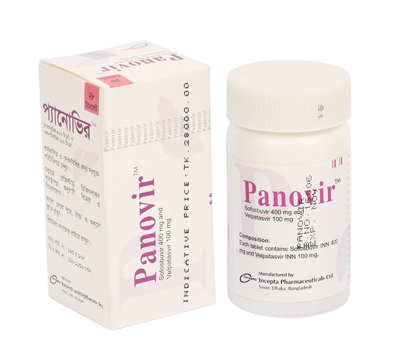
Panovir (Favipiravir): Complete Guide to Uses, Dosage, Benefits, Side Effects & FAQs
Panovir, containing the active generic ingredient Favipiravir, belongs to our Prescription Medicines, Antiviral Medicines, and Infectious Disease Medicines categories. This medication is a specialized antiviral agent designed to target and inhibit the replication of various RNA viruses.
Introduction to Panovir
Panovir is a prescription medicine used for the treatment of specific viral infections, particularly those caused by RNA viruses. Instead of just treating the symptoms of a viral fever, Panovir works at the cellular level to stop the virus from multiplying within the body. Think of Favipiravir as a strategic interceptor that interferes with the virus’s ability to copy its genetic material, thereby reducing the viral load and helping the immune system clear the infection more effectively.
Drug Class and Mechanism of Action
Panovir is classified as a viral RNA polymerase inhibitor. The active generic, Favipiravir, is a prodrug that is metabolized in the body into its active form, Favipiravir-ribofuranosyl-5′-triphosphate (favipiravir-RTP). This active molecule selectively and potently inhibits the RNA-dependent RNA polymerase (RdRp) of RNA viruses. By acting as a “fake” building block during viral replication, Favipiravir causes catastrophic errors in the virus’s genetic code, effectively halting the production of new viral particles.
How Panovir Works in the Body
When an RNA virus enters a healthy cell, it tries to hijack the cell’s machinery to create thousands of copies of itself. Panovir interrupts this process to help:
-
Block the specific enzyme (RdRp) that the virus needs to replicate.
-
Prevent the spread of the virus to uninfected cells in the respiratory tract and other organs.
-
Reduce the duration and severity of viral symptoms.
-
Assist the host immune system in gaining control over the infection during the early stages.
Medical Uses of Panovir
Panovir is approved and used under emergency or specific protocols for several viral conditions.
For Viral Respiratory Infections: Panovir has been utilized in the treatment of various strains of the influenza virus, including those that have become resistant to traditional neuraminidase inhibitors.
For Emerging Viral Diseases: As a powerful form of Favipiravir, it has gained global attention for its use in treating mild-to-moderate cases of certain viral respiratory syndromes. Clinical evidence suggests it helps in faster viral clearance and improves clinical symptoms when administered early in the course of the illness.
Who Can Take Panovir?
A strict medical evaluation is mandatory before starting Panovir, as its use is often regulated.
-
Eligibility: Adults with confirmed viral infections who are within the first few days of symptom onset.
-
Who Should Avoid: Favipiravir is strictly contraindicated in pregnant women or those planning to become pregnant, as it can cause severe birth defects. It should also be avoided by individuals with severe gout or high uric acid levels (hyperuricemia).
Panovir Dosage and Administration
For maximum efficacy, Panovir must be taken according to a specific loading-dose schedule:
-
Initial Dose (Day 1): Usually a higher “loading dose” taken twice daily to quickly reach therapeutic levels of Favipiravir in the blood.
-
Maintenance Dose (Day 2 onwards): A lower dose taken twice daily for the remainder of the treatment course (typically 5 to 14 days).
-
Flexibility: Panovir can be taken with or without food.
-
Consistency: It is vital to finish the entire course of Favipiravir, even if symptoms improve, to ensure the virus is fully suppressed.
Benefits of Panovir
Key advantages of choosing Panovir include:
-
Broad Antiviral Spectrum: Effective against a wide variety of RNA virus strains.
-
Oral Convenience: A tablet-based treatment that avoids the need for intravenous administration in mild cases.
-
Faster Recovery: Clinically proven to reduce the time to “clinical cure” in many patients.
-
Targeted Mechanism: Specifically attacks viral enzymes with minimal interference to human DNA processes.
Side Effects of Panovir
While Panovir is a vital antiviral tool, it can cause some side effects.
-
Common Effects: Diarrhea, an increase in blood uric acid levels (which can trigger gout), and a decrease in neutrophil counts.
-
Less Common: Nausea, vomiting, and temporary elevations in liver enzymes.
-
Serious Risks: Teratogenicity (harm to a developing fetus). Both men and women must use highly effective contraception while taking Favipiravir and for a period after treatment.
Warnings and Precautions
Before starting your course of Panovir, consider:
-
Pregnancy Screening: A negative pregnancy test is required for women of childbearing age before starting Favipiravir.
-
Uric Acid Levels: Patients with a history of gout should be monitored closely, as the drug can worsen the condition.
-
Liver Function: Regular monitoring of liver enzymes may be required for long-term or repeat courses.
-
Drug Interactions: Inform your doctor if you are taking medications for diabetes or tuberculosis, as they may interact with Panovir.
Frequently Asked Questions (FAQs)
1. Is Panovir an antibiotic? No. Panovir is an antiviral medicine. It is effective against viruses but has no effect on bacterial infections.
2. Can I take Panovir at home? Yes, Favipiravir is an oral tablet that can be taken at home, provided it has been prescribed by a doctor and the patient is stable.
3. Why is it important to take Panovir early? Antivirals like Panovir are most effective when started within the first 48–72 hours of symptoms, as this is when the virus is replicating most aggressively.
Conclusion & Medical Disclaimer
Panovir (Favipiravir) is a sophisticated antiviral therapy designed to control viral replication and support recovery from infectious diseases. By targeting the core of the viral lifecycle, it provides a critical defense against emerging health threats. This content is for informational purposes only and does not replace professional medical advice. Always consult a qualified healthcare provider before starting or changing any medication.