Omniclear 350mg/ml (Iohexol): Complete Guide to Uses, Benefits, Side Effects & FAQs
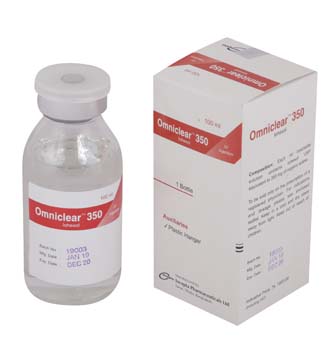
Omniclear 350, containing the active generic ingredient Iohexol, is a specialized diagnostic medication categorized under our Prescription Medicines, Radiology & Imaging Agents, and Cardiology & Hypertension Medicines categories. It is a high-density contrast medium used to make internal body structures visible during medical scans.
Introduction to Omniclear 350
Omniclear 350 is a prescription iodine-based contrast agent (often called a “dye”) used in medical imaging like X-rays and CT scans. It contains 350mg of iodine per milliliter, which is a high concentration designed to provide sharp, clear images of blood vessels and organs. Unlike standard medicines meant to treat a disease, Omniclear is a diagnostic tool that helps doctors “see” inside the body to identify blockages, tumors, or anatomical abnormalities.
Drug Class and Mechanism of Action
Omniclear 350 belongs to a class of drugs known as Non-ionic Iodinated Contrast Media. The active generic, Iohexol, works by blocking X-ray beams as they pass through the body. Because X-rays cannot easily penetrate the iodine in the solution, the areas where the liquid is present appear bright white on the scan. This creates a high-contrast “map” of the circulatory system or specific organs, allowing for precise visualization of tissues that would otherwise be invisible on a standard X-ray.
How Omniclear 350 Works during a Procedure
To provide the most accurate diagnostic information, Omniclear 350 facilitates several imaging functions:
-
Vessel Opacification: When injected into the bloodstream, it outlines the path of arteries and veins (Angiography).
-
Organ Enhancement: It highlights the structure of the kidneys, liver, or heart during CT scans.
-
Flow Tracking: It allows doctors to monitor blood flow in real-time, helping to identify narrowings or “kinks” in the vessels.
-
Excretion Visualization: As the kidneys filter the Iohexol out of the blood, it makes the urinary tract visible (Urography).
Medical Uses of Omniclear 350
Omniclear 350 is approved for a wide range of diagnostic procedures in both adults and children.
For Cardiovascular Imaging: It is used in Angiocardiography to view the chambers of the heart and the coronary arteries, often during a “heart cath” to check for blockages.
For Full-Body CT Scans: Used as an intravenous (IV) injection to enhance the clarity of CT images of the head, neck, chest, abdomen, and pelvis.
For Urinary and Vascular Studies: It is essential for Excretory Urography (kidney/bladder scans) and Arteriography (imaging of the aorta and peripheral arteries).
Who Can Receive Omniclear 350?
A medical screening for kidney health and allergy history is mandatory before administration.
-
Eligibility: Patients requiring enhanced imaging for diagnosis, ranging from infants to the elderly.
-
Who Should Avoid: Individuals with a severe allergy to iodine or previous life-threatening reactions to contrast agents. It must be used with extreme caution in patients with severe kidney disease or “Thyroid Storm.”
-
Critical Warning: Omniclear 350 must NOT be injected into the spine (intrathecal use). Only lower concentrations of Iohexol are approved for spinal imaging.
Dosage and Administration
Omniclear 350 is administered only by healthcare professionals in a hospital or clinic setting.
-
Method: Usually given by intravenous (IV) or intra-arterial injection using a pressure injector or hand syringe.
-
Volume: The amount used varies widely (typically 30ml to 150ml) depending on the patient’s weight, age, and the specific area being scanned.
-
Hydration: It is vital to drink plenty of water before and after the procedure to help your kidneys flush the contrast out of your system.
Benefits of Omniclear 350
-
High Precision: Provides high-definition images that help doctors make life-saving diagnoses.
-
Lower Toxicity: As a “non-ionic” agent, it is generally safer and better tolerated by the body than older “ionic” contrast types.
-
Versatility: Can be used to scan almost any part of the body, from the brain to the toes.
-
Fast Clearance: In patients with healthy kidneys, most of the Iohexol is filtered out and excreted within 24 hours.
Side Effects of Omniclear 350
Most side effects occur during or shortly after the injection.
-
Common (Mild): A sudden feeling of warmth (flushing), a metallic taste in the mouth, or brief nausea.
-
Skin Reactions: Itching or a mild rash (hives) may occur.
-
Serious Risks: Rare but serious reactions include Contrast-Induced Acute Kidney Injury, severe allergic reactions (anaphylaxis), or heart rhythm disturbances.
-
Note: Always inform the radiology staff immediately if you feel any difficulty breathing or sudden swelling.
Warnings and Precautions
-
Kidney Health: Patients with diabetes or pre-existing kidney issues are at a higher risk of kidney strain.
-
Metformin Users: If you take Metformin for diabetes, you may be asked to stop taking it for 48 hours after the scan to protect your kidneys.
-
Thyroid Issues: Iodine can affect thyroid function; tell your doctor if you have hyperthyroidism.
-
Allergy Pre-treatment: If you have a history of allergies, your doctor may give you steroids or antihistamines before the scan to prevent a reaction.
Frequently Asked Questions (FAQs)
1. Will the injection hurt? The injection itself feels like a standard IV start. As the Omniclear 350 enters your body, you might feel a “hot wave” or a sensation like you are urinating (even though you aren’t). This is normal and lasts only a few seconds.
2. Is Iohexol safe during breastfeeding? Very little Iohexol passes into breast milk, and even less is absorbed by the baby’s stomach. However, some doctors suggest waiting 24 hours after the scan before resuming breastfeeding as a precaution.
3. How long does the “dye” stay in my body? For someone with normal kidney function, about 90% of Omniclear 350 is gone within 24 hours through your urine.
Conclusion & Medical Disclaimer
Omniclear 350 (Iohexol) is an indispensable tool in modern medicine, turning complex internal structures into clear, readable maps for your medical team. By facilitating accurate diagnosis, it ensures you receive the right treatment at the right time. This content is for informational purposes only and does not replace professional medical advice. Always consult a qualified healthcare provider before undergoing any imaging procedure.