Neocafen 20mg (Caffeine Citrate): Complete Guide to Uses, Dosage, Benefits, Side Effects & FAQs
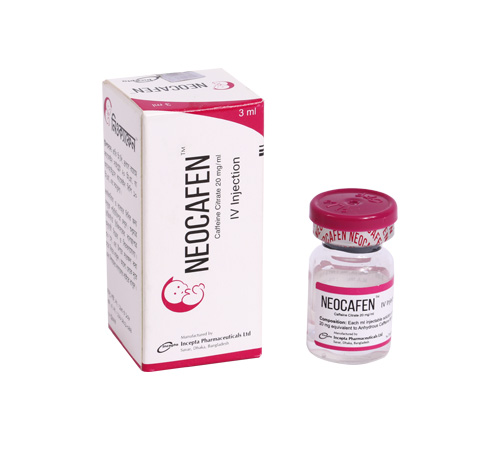
Neocafen 20mg, containing the active generic ingredient Caffeine Citrate, is a specialized neonatal medication categorized under our Prescription Medicines, Pediatric & Neonatal Medicines, and Respiratory Care Medicines categories. It is a vital treatment for respiratory stability in premature infants.
Introduction to Neocafen 20mg
Neocafen 20mg is a prescription medicine primarily used to treat “Apnea of Prematurity”—a condition where premature babies (born before 35 weeks) stop breathing for short periods because their brain’s breathing centers are not yet fully developed. By utilizing Caffeine Citrate, this medication acts as a gentle yet effective stimulator to ensure the baby continues to breathe regularly. It is often preferred over other similar drugs because it has a wider safety margin and stays in the baby’s system longer, requiring only once-daily dosing.
Drug Class and Mechanism of Action
Neocafen 20mg belongs to the Methylxanthine class of medications, structurally related to theophylline. The active generic, Caffeine Citrate, works as a Central Nervous System (CNS) stimulant. It primarily functions by antagonizing adenosine receptors. Since adenosine normally inhibits neural activity and suppresses breathing, blocking its receptors leads to:
-
Respiratory Center Stimulation: Increasing the sensitivity of the brain to carbon dioxide levels.
-
Increased Minute Ventilation: Encouraging deeper and more frequent breaths.
-
Diaphragmatic Strength: Reducing the fatigue of the primary breathing muscle.
How Neocafen 20mg Works in the Body
To stabilize a neonate’s breathing pattern, Neocafen 20mg performs several critical actions:
-
Hormonal Triggering: It increases the release of norepinephrine and epinephrine, which stimulate the heart and lungs.
-
Metabolic Boost: It slightly increases the metabolic rate and oxygen consumption.
-
Bronchial Relaxation: It helps relax the smooth muscles in the airways, making breathing easier.
-
Long Half-Life: In newborns, caffeine is processed very slowly (taking up to 100 hours to clear), which allows for consistent, round-the-clock protection.
Medical Uses of Neocafen 20mg
Neocafen 20mg is exclusively indicated for conditions related to neonatal respiratory distress.
For Apnea of Prematurity (AOP): The primary use of Neocafen 20mg is for infants between 28 and 33 weeks gestational age who experience repeated pauses in breathing lasting more than 20 seconds.
For Facilitating Extubation: It is frequently used to help “wean” premature babies off mechanical ventilators by providing the necessary respiratory drive to breathe independently after the breathing tube is removed.
Who Can Take Neocafen 20mg?
This medication is for neonatal use only under strict medical supervision in an Intensive Care Unit (NICU).
-
Eligibility: Premature infants experiencing primary apnea.
-
Who Should Avoid: Infants with known hypersensitivity to caffeine. Use with extreme caution in infants with seizure disorders, cardiovascular disease, or severe kidney/liver impairment.
Neocafen 20mg Dosage and Administration
For maximum safety in a delicate neonatal environment, follow these standard guidelines:
-
Loading Dose: Typically 20 mg/kg of body weight, administered once via slow intravenous (IV) infusion over 30 minutes.
-
Maintenance Dose: Usually 5 mg/kg daily, starting 24 hours after the loading dose. This can be given via slow IV infusion (over 10 minutes) or orally (via a feeding tube).
-
Monitoring: Heart rate, respiratory rate, and the number of apnea episodes must be monitored continuously.
-
Treatment Duration: Often limited to 10–12 days in clinical trials; the medical team will determine the length of therapy based on the baby’s progress.
Benefits of Neocafen 20mg
Key advantages of choosing Neocafen 20mg include:
-
Stability: More predictable blood levels compared to other stimulants.
-
Ease of Use: Once-daily dosing reduces the need for frequent handling of the infant.
-
Reduced Complications: Proven to reduce the need for invasive ventilation and decrease the risk of Bronchopulmonary Dysplasia (BPD).
-
High Purity: Manufactured by Incepta Pharmaceuticals, ensuring a sterile and reliable formulation for sensitive patients.
Side Effects of Neocafen 20mg
While life-saving, Caffeine Citrate can cause symptoms of overstimulation:
-
Common Effects: Tachycardia (fast heart rate), jitteriness, irritability, and feeding intolerance.
-
Metabolic Changes: May cause temporary increases in blood sugar (hyperglycemia) or increased urine output.
-
Serious Risks: Rarely, it has been associated with necrotizing enterocolitis (NEC) or seizures if blood levels become toxic.
-
Note: If the infant’s heart rate exceeds 180 beats per minute, the dose is typically withheld.
Warnings and Precautions
Before and during treatment with Neocafen 20mg, please note:
-
Exclude Other Causes: Before starting, doctors must ensure the apnea isn’t caused by infection (sepsis), anemia, or low blood sugar.
-
Maternal Intake: Breastfeeding mothers of infants on Neocafen should avoid consuming caffeine (coffee, tea, chocolate), as it passes into breast milk.
-
Drug Interactions: Medications like phenobarbital or phenytoin can decrease caffeine levels, while others like cimetidine can increase them.
-
Sterile Handling: The solution is for single use only; any unused portion must be discarded to prevent infection.
Frequently Asked Questions (FAQs)
1. Is Neocafen the same as the caffeine in coffee? The active ingredient is the same, but Neocafen is a medical-grade Caffeine Citrate specifically formulated and measured for the fragile systems of premature infants.
2. How long does the baby need to stay in the hospital after stopping Neocafen? Because caffeine stays in the system for a long time, babies are usually monitored for 5 to 7 days after the last dose to ensure apnea does not return.
3. Does Neocafen cause long-term brain issues? Actually, large-scale studies (like the CAP trial) have shown that caffeine treatment in premature infants may improve neurodevelopmental outcomes by reducing the time spent on ventilators.
Conclusion & Medical Disclaimer
Neocafen 20mg (Caffeine Citrate) is a cornerstone of neonatal intensive care, providing the essential “breath of life” for premature infants. By supporting their developing respiratory systems, it helps bridge the gap until they can breathe strongly on their own. This content is for informational purposes only and does not replace professional medical advice. Always consult a qualified neonatologist or pediatrician.