Introduction to Mydriacil (Phenylephrine Hydrochloride) Eye Drops
Mydriacil (Phenylephrine Hydrochloride) Eye Drops is a prescription ophthalmic solution used to dilate the pupils for diagnostic procedures and eye examinations. It belongs to a class of medications known as sympathomimetic agents, which work by stimulating the alpha-adrenergic receptors in the eye to induce pupil dilation (mydriasis).
Mydriacil (Phenylephrine Hydrochloride) Eye Drops is classified under Prescription Medicines, Ophthalmic Sympathomimetics, Diagnostic Eye Agents, and Pupil Dilation Therapies. It contains Phenylephrine Hydrochloride, which temporarily enlarges the pupil to allow better visualization of the internal structures of the eye.
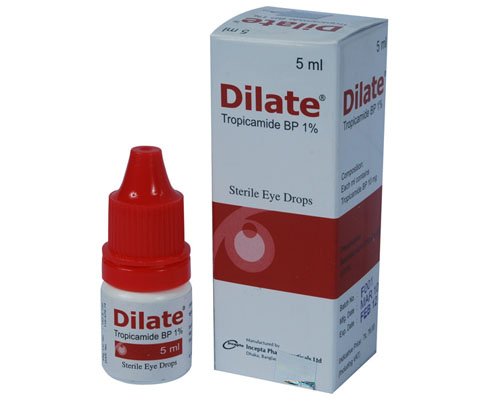
In some markets, Dilate Eye Drops are available as a local generic brand containing the same active ingredient Phenylephrine Hydrochloride, offering similar therapeutic effects when used under the supervision of an eye care professional.
What Is Mydriacil (Phenylephrine Hydrochloride) Eye Drops?
Mydriacil (Phenylephrine Hydrochloride) Eye Drops is the brand name for Phenylephrine Hydrochloride eye drops, primarily used to dilate pupils for ophthalmic examinations and certain surgical procedures.
Phenylephrine Hydrochloride works by stimulating alpha-adrenergic receptors in the iris dilator muscle, causing the pupil to widen temporarily.
Generic versions such as Dilate Eye Drops contain the same active compound and may be used depending on physician recommendation and regional availability.
Drug Class and Mechanism of Action
Phenylephrine Hydrochloride is classified as a sympathomimetic ophthalmic agent.
How Phenylephrine Works
Mydriacil (Phenylephrine Hydrochloride) Eye Drops works in several ways:
- Stimulates alpha-1 adrenergic receptors in the iris dilator muscle
- Causes temporary pupil dilation (mydriasis)
- Reduces redness of the eye (conjunctival vasoconstriction)
- Enhances visualization of the retina during eye examinations
Through these mechanisms, Phenylephrine Hydrochloride helps ophthalmologists perform detailed diagnostic procedures efficiently.
How Mydriacil (Phenylephrine Hydrochloride) Eye Drops Works in the Eye
After topical administration, Phenylephrine Hydrochloride acts locally to widen the pupil and constrict superficial blood vessels in the eye.
Key Actions of Phenylephrine Hydrochloride
- Induces pupil dilation for eye examinations or procedures
- Reduces redness and swelling in the conjunctiva
- Facilitates better visualization of internal ocular structures
- Supports diagnostic and surgical ophthalmology
Some generic versions such as Dilate Eye Drops deliver the same active compound, providing similar pupil dilation and vasoconstrictive effects when applied appropriately.
Medical Uses of Mydriacil (Phenylephrine Hydrochloride) Eye Drops
Mydriacil Eye Drops are primarily used for ophthalmic diagnostic and procedural purposes.
Mydriacil for Eye Examinations
Used to dilate pupils during routine eye exams or retinal evaluations.
Potential Benefits
- Improves visualization of the retina and optic nerve
- Helps ophthalmologists detect eye conditions such as glaucoma, cataracts, or retinal disorders
- Facilitates accurate diagnosis
Mydriacil for Surgical Procedures
Used prior to certain ocular surgeries to maintain pupil dilation.
Potential Benefits
- Ensures better surgical field visibility
- Reduces procedural complications
- Maintains optimal pupil size during surgery
Generic alternatives like Dilate Eye Drops may also be used under medical supervision when pupil dilation is required.
Who Can Use Dilate Eye Drops?
Phenylephrine Hydrochloride eye drops must be used under the supervision of an ophthalmologist or trained eye care professional.
Eligibility Criteria
Patients may be prescribed Mydriacil if they:
- Require pupil dilation for diagnostic or surgical purposes
- Have no contraindications to alpha-adrenergic agents
- Can follow proper eye drop administration instructions
Certain generic options such as Dilate Eye Drops may also be considered depending on availability and physician decision.
Who Should Avoid Phenylephrine Hydrochloride Eye Drops
Mydriacil should NOT be used by:
- Individuals with hypersensitivity to Phenylephrine or similar sympathomimetic agents
- Patients with severe hypertension, angina, or uncontrolled cardiovascular disease
- Patients with narrow-angle glaucoma unless monitored by an ophthalmologist
- Infants or very young children unless prescribed
Mydriacil Eye Drops Dosage and Administration
Standard Dosage Guidelines
Typical dosage recommendations include:
- Instill 1–2 drops in the affected eye(s) as directed by an eye specialist
- Pupil dilation usually occurs within 15–60 minutes and lasts several hours
- Avoid touching the dropper tip to the eye or any surface
Dosage Adjustments
Doctors may adjust usage depending on:
- Age and weight of the patient
- Pupil response
- Presence of cardiovascular conditions or ocular comorbidities
Side Effects of Mydriacil Eye Drops
Like all ophthalmic medications, Phenylephrine Hydrochloride may cause side effects.
Common Side Effects
- Mild burning or stinging upon instillation
- Temporary blurred vision
- Light sensitivity (photophobia)
- Eye redness or irritation
Serious Side Effects
- Increased blood pressure or heart rate
- Severe allergic reactions (rash, swelling, itching)
- Narrow-angle glaucoma attack in predisposed patients
Patients should report any unusual symptoms to their doctor immediately.
Storage:
Store below 25°C in a cool, dry place. Protect from light and keep the bottle tightly closed. Keep out of reach of children.
Frequently Asked Questions (FAQs)
1. How long do the effects of Dilate Eye Drops last?
Pupil dilation usually lasts 3–6 hours depending on the concentration and patient response.
2. Can Dilate Eye Drops be used for both eyes at the same time?
Yes, if prescribed by an ophthalmologist for bilateral eye examination.
3. Can I drive after using Phenylephrine eye drops?
No. Pupil dilation may cause blurred vision and light sensitivity. Avoid driving until effects wear off.
4. Are Dilate Eye Drops safe for children?
Only under strict medical supervision, especially in infants and young children.
5. Is Dilate Eye Drops the same as Mydriacil?
Dilate Eye Drops contain Phenylephrine Hydrochloride, the same active ingredient as Mydriacil. Generic versions is available. for more info. contact on WhatsApp: https://wa.me/8801742433764
6. Do I need a prescription to use Dilate Eye Drops?
Yes. It is a prescription-only ophthalmic solution and should be used under medical supervision.
Medical Disclaimer
Disclaimer:
The information provided on this page is for educational and informational purposes only and should not be considered medical advice. Phenylephrine Hydrochloride Eye Drops are prescription-only and must be used strictly under the supervision of a qualified healthcare professional. Always consult your physician before starting, stopping, or changing any medication.