
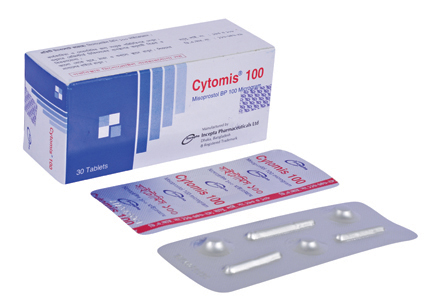
Introduction to Cytotec (Misoprostol) 100mg
Cytotec (Misoprostol) 100mg is a prescription medicine used for the prevention and treatment of gastric ulcers, as well as for various obstetric and gynecological purposes under medical supervision. It helps protect the stomach lining and can also stimulate uterine contractions when required.
Cytotec (Misoprostol) 100mg is classified under Prescription Medicines, Gastrointestinal Drugs, Prostaglandin Analogues, and Obstetric Medications. It contains Misoprostol, which works by mimicking natural prostaglandins in the body.
In some markets, Cytomis 100mg is available as a generic brand containing the same active ingredient Misoprostol, offering a similar therapeutic effect when prescribed by a qualified healthcare professional.
What Is Cytotec (Misoprostol)?
Cytotec is the brand name for Misoprostol, an oral medication widely used in both gastrointestinal and reproductive health settings.
Misoprostol belongs to a class of medicines known as prostaglandin E1 analogues, which help protect the stomach lining and induce uterine contractions.
Generic versions such as Cytomis 100mg contain the same active compound and may be used depending on physician recommendation and regional availability.
Drug Class and Mechanism of Action
Misoprostol is classified as a prostaglandin analogue with gastroprotective and uterotonic properties.
How Misoprostol Works
It works in several ways:
- Increases protective mucus and bicarbonate in the stomach
- Reduces gastric acid secretion
- Stimulates uterine contractions by acting on smooth muscle
Through these mechanisms, Misoprostol helps prevent ulcers and is used in controlled reproductive health treatments.
How Cytotec Works in the Body
After administration, Misoprostol is rapidly absorbed and converted into its active form, exerting effects on both the stomach and uterus.
Key Actions of Misoprostol
- Protects the stomach lining from NSAID-induced damage
- Promotes healing of gastric ulcers
- Induces uterine contractions when medically indicated
Some generic versions such as Cytomis deliver the same active compound, allowing similar therapeutic outcomes when prescribed appropriately.
Medical Uses of Cytotec (Misoprostol) 100mg
Cytotec 100mg has multiple medical applications.
Cytotec for Gastric Ulcers
It is commonly used to prevent and treat ulcers caused by NSAIDs.
Potential Benefits
- Reduces risk of stomach ulcers
- Protects gastric mucosa
- Supports healing of existing ulcers
Cytotec for Obstetric and Gynecological Uses
It is also used under strict medical supervision for:
- Medical abortion (in combination with other medicines)
- Induction of labor
- Management of postpartum bleeding
Potential Benefits
- Effective uterine contraction induction
- Reduces complications in controlled clinical settings
Generic alternatives like Cytomis 100mg may also be used under medical supervision when Misoprostol therapy is recommended.
Who Can Take Cytomis 100mg?
Because Misoprostol is a potent medicine, it must be used under strict medical supervision.
Eligibility Criteria
Patients may be prescribed Cytotec if they:
- Need prevention of NSAID-induced ulcers
- Require medically supervised reproductive treatment
- Are evaluated by a qualified healthcare provider
Certain generic options such as Cytomis may also be considered depending on availability and physician decision.
Who Should Avoid Cytotec (Misoprostol) 100mg
Cytotec should NOT be used by:
- Pregnant women when used for ulcer prevention (unless medically indicated for obstetric use)
- Individuals with allergy to prostaglandins
- Patients without proper medical supervision for gynecological use
Cytotec (Misoprostol) 100mg Dosage and Administration
Standard Dosage Guidelines
Typical dosage recommendations include:
- For ulcer prevention: usually taken multiple times daily with meals
- For obstetric use: strictly as prescribed by a healthcare provider
- Tablets should be taken with water
Dosage Adjustments
Doctors may adjust the dose depending on:
- Medical condition being treated
- Patient response
- Clinical guidelines
Side Effects of Cytotec 100mg
Like all medicines, Cytotec may cause side effects.
Common Side Effects
- Diarrhea
- Abdominal pain
- Nausea
- Uterine cramping
Serious Side Effects
- Heavy vaginal bleeding
- Severe dehydration due to diarrhea
- Allergic reactions
Patients should seek immediate medical attention if serious symptoms occur.
Storage:
Store below 25°C in a dry place, protected from moisture and light. Keep out of reach of children.
Frequently Asked Questions (FAQs)
1. Is Cytotec (Misoprostol) 100mg safe for long-term use?
It is generally used for short-term or specific medical indications under supervision.
2. Can Cytotec be used without a doctor’s advice?
No. It must always be used under medical supervision.
3. Is Cytotec (Misoprostol) 100mg used only for ulcers?
No. It also has important uses in obstetrics and gynecology.
4. Can Cytomis 100mg be taken at home?
Only if prescribed and guided by a healthcare provider.
5. Can pregnant women take Cytomis 100mg?
Only when specifically prescribed for medical reasons under strict supervision.
6. Is Cytomis 100mg the same as Cytotec?
Cytomis 100mg contains Misoprostol, the same active ingredient found in Cytotec. Generic versions is available. for more info. contact on WhatsApp: https://wa.me/8801742433764
7. Do I need a prescription to buy Cytomis (Misoprostol) 100mg?
Yes. It is a prescription-only medicine and should be used under professional supervision.
Medical Disclaimer
Disclaimer:
The information provided on this page is for educational and informational purposes only and should not be considered medical advice. Cytotec (Misoprostol) is a prescription-only medication and must be used strictly under the supervision of a qualified healthcare professional. Always consult your physician before starting, stopping, or changing any medication.


