Introduction to Kerendia (Finerenone) 20mg
Kerendia (Finerenone) 20mg is a prescription medicine used to manage chronic kidney disease (CKD) in adults with type 2 diabetes. It belongs to a class of advanced cardiovascular and renal protective drugs that help reduce inflammation and fibrosis in the kidneys while lowering the risk of cardiovascular events.
Kerendia (Finerenone) 20mg is classified under Prescription Medicines, Cardiorenal Medicines, Mineralocorticoid Receptor Antagonists (MRAs), and Oral Kidney Protective Therapies. It contains Finerenone, which works by blocking mineralocorticoid receptors, thereby reducing harmful effects of excess aldosterone on the kidneys and heart.
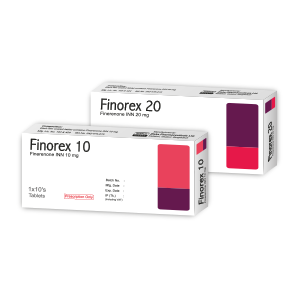
In some markets, Finorex 20mg is available as a generic brand containing the same active ingredient Finerenone, providing similar therapeutic benefits under the supervision of a qualified healthcare professional.
What Is Kerendia (Finerenone)?
Kerendia is the brand name for Finerenone, an oral medicine used to treat CKD in patients with type 2 diabetes.
Finerenone belongs to a class of medicines called non-steroidal mineralocorticoid receptor antagonists. These drugs help prevent kidney damage and reduce cardiovascular risks by blocking the effects of aldosterone, a hormone that can promote inflammation and fibrosis.
Generic versions such as Finorex 20mg contain the same active compound and may be used depending on physician recommendation and regional availability.
Drug Class and Mechanism of Action
Finerenone is classified as a non-steroidal mineralocorticoid receptor antagonist with renoprotective and cardioprotective properties.
How Finerenone Works
It works in several ways:
- Blocks mineralocorticoid receptors to reduce kidney inflammation and fibrosis
- Lowers proteinuria (excess protein in urine)
- Protects the heart and kidneys from long-term damage caused by aldosterone
- Slows progression of chronic kidney disease
Through these mechanisms, Finerenone helps preserve kidney function and reduce cardiovascular risk in type 2 diabetes patients.
How Kerendia Works in the Body
Excess aldosterone in patients with diabetes can harm the kidneys and heart. Kerendia restores balance by inhibiting aldosterone activity at its receptor sites.
Key Actions of Finerenone
- Reduces kidney inflammation and scarring
- Lowers proteinuria and slows CKD progression
- Decreases risk of heart failure and other cardiovascular events
Some generic versions such as Finorex deliver the same active compound, allowing similar kidney and heart protection under professional supervision.
Medical Uses of Kerendia (Finerenone) 20mg
Kerendia 20mg is prescribed for patients with chronic kidney disease and type 2 diabetes.
Kerendia for Chronic Kidney Disease
Used to slow kidney function decline in patients with CKD and type 2 diabetes.
Potential Benefits
- Reduced proteinuria
- Slowed progression of kidney damage
- Improved cardiovascular outcomes
- Protection of kidney and heart function
Kerendia for Cardiovascular Risk Reduction
Helps lower risk of heart failure and other cardiovascular events in patients with CKD and diabetes.
Treatment Benefits
- Reduced risk of hospitalization due to heart failure
- Improved long-term cardiovascular health
- Supports overall management of type 2 diabetes complications
Who Can Take Finorex 20mg?
Because Finerenone is a potent kidney and heart protective medicine, treatment should be supervised by a qualified healthcare provider.
Eligibility Criteria
Patients may be prescribed Kerendia if they:
- Have chronic kidney disease with albuminuria
- Have type 2 diabetes
- Can adhere to regular kidney function and potassium monitoring
Certain generic options such as Finorex may also be considered depending on availability and physician decision.
Who Should Avoid Kerendia (Finerenone) 20mg
Kerendia should NOT be used by:
- Individuals with hyperkalemia (high blood potassium)
- Patients with severe kidney impairment (eGFR <15 mL/min/1.73 m²)
- Individuals with hypersensitivity to Finerenone
Kerendia (Finerenone) 20mg Dosage and Administration
Standard Dosage Guidelines
Typical dosage recommendations include:
- Kerendia 20mg taken orally once daily
- Tablets should be swallowed whole with water
- Can be taken with or without food
- Regular monitoring of kidney function and serum potassium is required
Dosage Adjustments
Doctors may adjust the dose depending on:
- Kidney function (eGFR levels)
- Blood potassium levels
- Concomitant medications and patient response
Side Effects of Kerendia 20mg
Like all MRAs, Kerendia may cause side effects.
Common Side Effects
- Increased blood potassium (hyperkalemia)
- Dizziness
- Fatigue
- Mild gastrointestinal discomfort
Serious Side Effects
- Severe hyperkalemia leading to cardiac issues
- Hypotension (low blood pressure)
- Allergic reactions
Patients should report any unusual symptoms to their doctor immediately.
Storage:
Store below 25°C in a cool, dry place, protected from light and moisture. Keep the tablets in their original packaging and out of reach of children.
Frequently Asked Questions (FAQs)
1. What is Kerendia (Finerenone) 20mg used for?
It is used to manage chronic kidney disease in patients with type 2 diabetes and reduce cardiovascular risk.
2. Can Finorex 20mg improve kidney function?
It slows the progression of kidney damage and lowers proteinuria, but does not reverse existing damage.
3. Is Finerenone safe for long-term use?
Yes, under physician supervision with regular monitoring of kidney function and blood potassium.
4. Can Kerendia be used with other diabetes medications?
Yes, it can be used alongside standard diabetes therapies, subject to doctor approval.
5. Is Finorex 20mg the same as Kerendia?
Finorex 20mg contains Finerenone, the same active ingredient found in Kerendia. Generic versions is available. for more info. contact on WhatsApp: https://wa.me/8801742433764
6. Do I need a prescription to buy Finorex (Finerenone) 20mg?
Yes. Finorex 20mg is prescription-only and must be used under a qualified healthcare professional.
Medical Disclaimer
Disclaimer:
The information provided is for educational purposes only and should not be considered medical advice. Kerendia (Finerenone) is a prescription medicine and must be used under the guidance of a qualified healthcare professional. Always consult your physician before starting or stopping treatment.