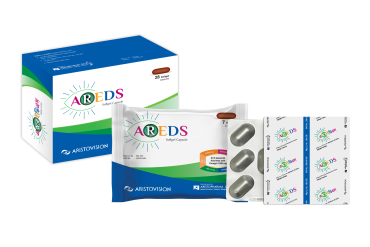
AREDS (Age-Related Eye Disease Study Formulation): Complete Guide to Uses, Dosage, Benefits, Side Effects & FAQs
AREDS is a specialized Prescription Medicine (often available as a high-potency supplement) categorized under Dermatology & Skin Medicines (related to specialized tissue health) and Autoimmune & Immunology Medicines. The active ingredients in the AREDS formulation include a specific combination of antioxidants and minerals: Vitamin C, Vitamin E, Beta-Carotene, Zinc, and Copper. This targeted therapy is designed to control oxidative stress and slow the progression of vision loss in specific eye conditions.
Introduction to AREDS
The AREDS formulation is a prescription-grade antioxidant combination used to treat certain degenerative eye conditions, most commonly age-related macular degeneration (AMD). Instead of only masking symptoms, AREDS works at the cellular level to reduce oxidative damage and abnormal inflammatory activity in the retina. Think of AREDS as a precision controller for ocular health. Rather than supporting broad nutrition, it targets specific pathways responsible for tissue damage in the eye.
Drug Class and Mechanism of Action
AREDS is classified as an antioxidant and mineral supplement therapy. The components—specifically high doses of Vitamin C, Vitamin E, Beta-Carotene, and Zinc—are involved in transmitting protective signals and neutralizing free radicals inside the body. When oxidative stress becomes overactive, it contributes to chronic inflammation and tissue damage in the macula. The AREDS formulation works by blocking these oxidative pathways, reducing inflammatory signaling at its source.
How AREDS Works in the Body
The body communicates through chemical signals. In degenerative diseases, oxidative stress signals become too strong and persistent. AREDS interrupts specific signaling pathways, helping to:
-
Reduce inflammation in ocular tissues.
-
Relieve structural stress in the retina.
-
Limit immune-related tissue damage to the macula.
-
Allow the visual system to function while avoiding unnecessary overactivity.
Medical Uses of AREDS
AREDS is approved for specific ophthalmic conditions, with ongoing research expanding its clinical applications.
AREDS for Macular Degeneration
AREDS is widely prescribed for moderate to severe age-related macular degeneration (AMD) in adults who are at high risk of progressing to advanced stages. Benefits for patients include:
-
Reduced risk of vision loss.
-
Improved stability of central vision.
-
Slowing of disease progression.
Many patients report noticeable stability in their visual field after consistent use as part of a long-term treatment plan.
Who Can Take AREDS?
AREDS is not suitable for everyone. Proper medical evaluation is essential before starting treatment.
-
Eligibility Criteria: You may be considered for AREDS if you are an adult with a diagnosed age-related macular condition and have been advised by a specialist that you are at high risk of progression.
-
Who Should Avoid AREDS: Individuals who are current or former smokers should avoid the original AREDS formulation (containing Beta-Carotene) due to an increased risk of lung cancer; they should use the AREDS2 version instead. It may also not be appropriate for those with severe kidney or liver disease.
AREDS Dosage and Administration
Standard Dosage Guidelines
The typical recommended dose is:
-
One or two capsules daily, taken orally.
-
Best taken with food to improve the absorption of fat-soluble vitamins.
-
For best results, take the supplement at the same time each day.
Missed Dose Instructions
If you miss a dose:
-
Take it as soon as you remember.
-
Skip it if it’s close to your next dose.
-
Do not take a double dose.
Benefits of AREDS
Key advantages of the AREDS formulation include:
-
Targeted modulation of oxidative stress.
-
Faster stabilization of symptoms compared to general multivitamins.
-
Convenient oral tablet or capsule form.
-
Strong clinical evidence supporting its effectiveness in preserving vision.
Side Effects of AREDS
Common Side Effects
-
Upset stomach or nausea.
-
Yellowing of the skin (related to Beta-Carotene).
-
Headache.
Serious Side Effects
-
Increased risk of lung cancer in smokers (due to Beta-Carotene).
-
Changes in urinary tract health or kidney stones.
-
Interference with zinc or copper balance in the body.
Drug Interactions
AREDS may interact with:
-
Other high-dose antioxidant supplements.
-
Certain blood-thinning medications.
-
Specific antibiotics that may be affected by zinc levels.
Frequently Asked Questions (FAQs)
-
Is AREDS safe for long-term use? Yes, when used under medical supervision with regular eye exams and blood monitoring.
-
Is AREDS a steroid? No. AREDS is an antioxidant and mineral formulation, not a corticosteroid.
-
Can AREDS be taken with food? Yes, it is often recommended to be taken with food to decrease stomach upset.
Conclusion
The AREDS formulation (Vitamin C, E, Beta-Carotene, Zinc, Copper) is a targeted therapy designed to control oxidative responses in conditions such as macular degeneration. By addressing inflammation and damage at its source, it helps reduce the risk of vision loss and enhances quality of life. When used responsibly under professional guidance, AREDS can be a valuable option for long-term disease management.